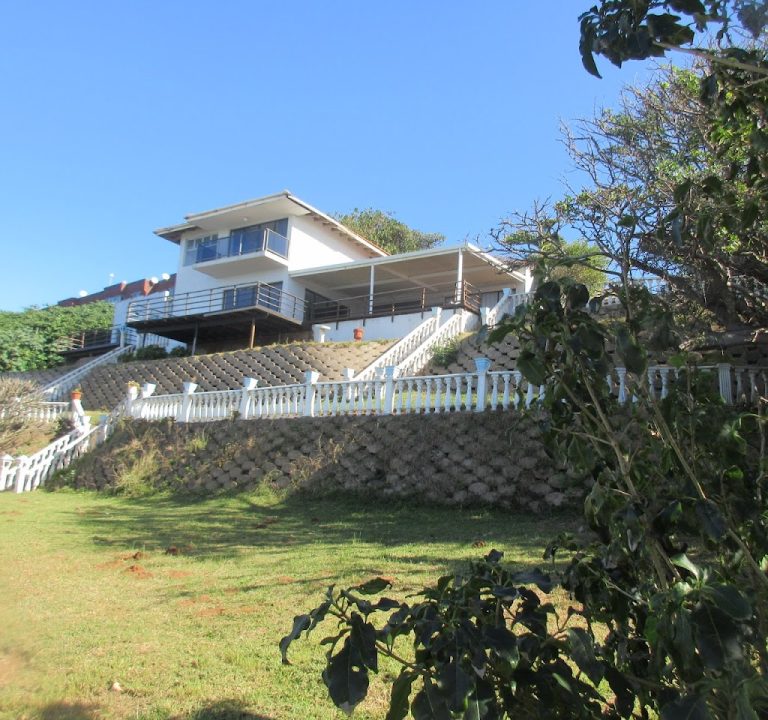
Durban, KwaZulu-Natal: where to stay and what to do
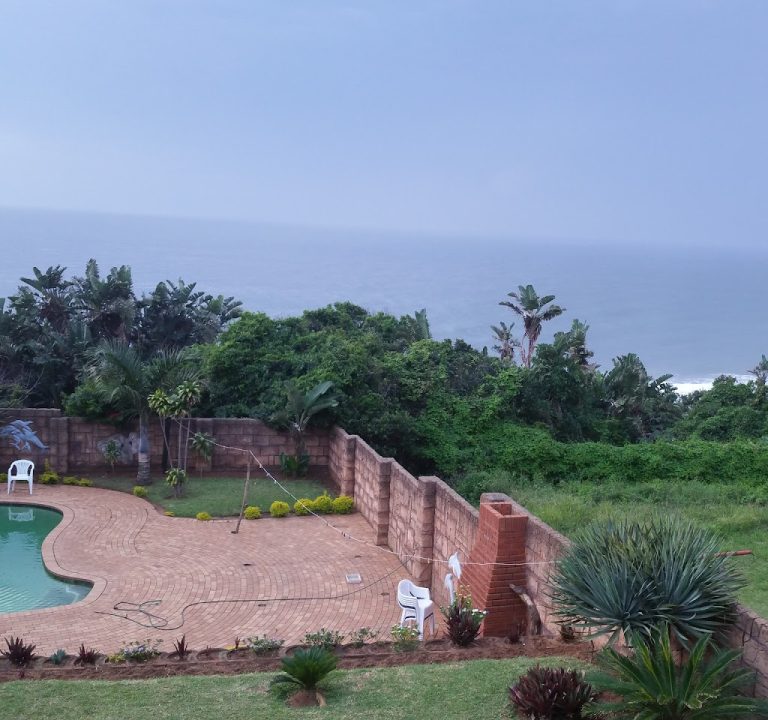
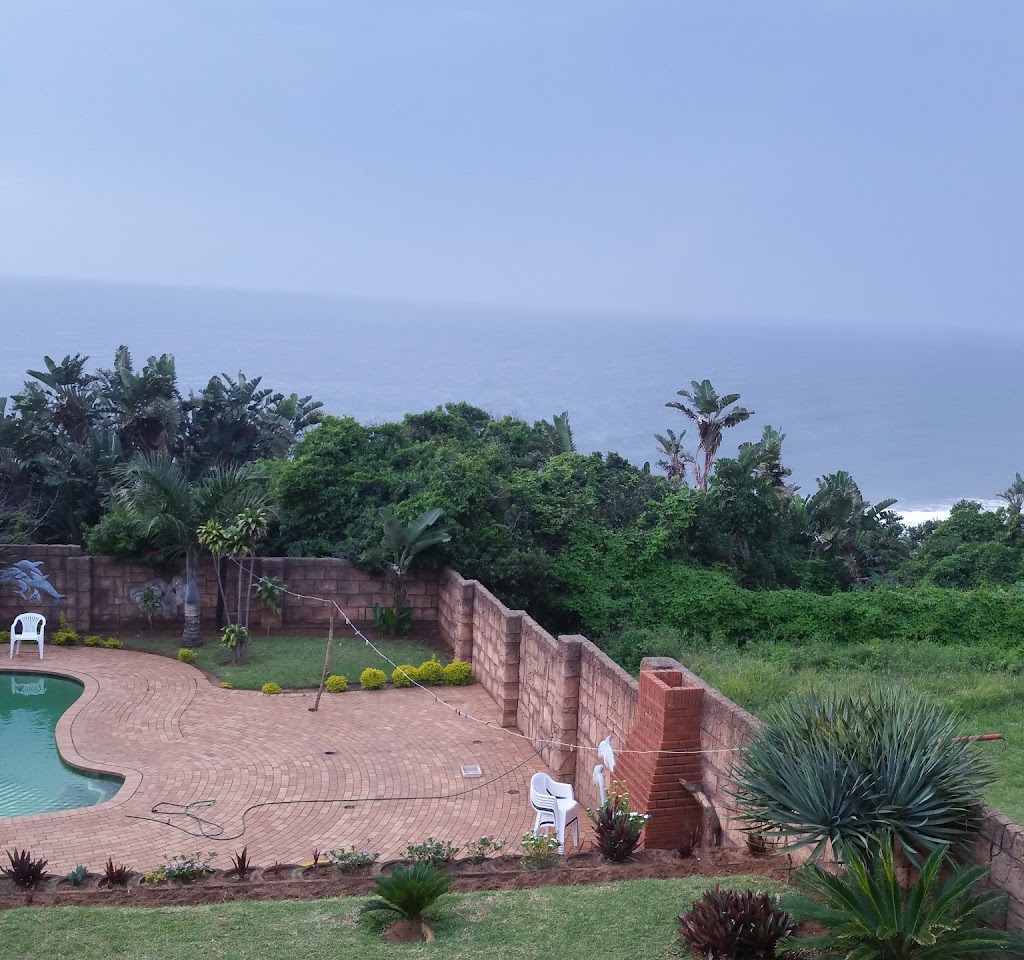
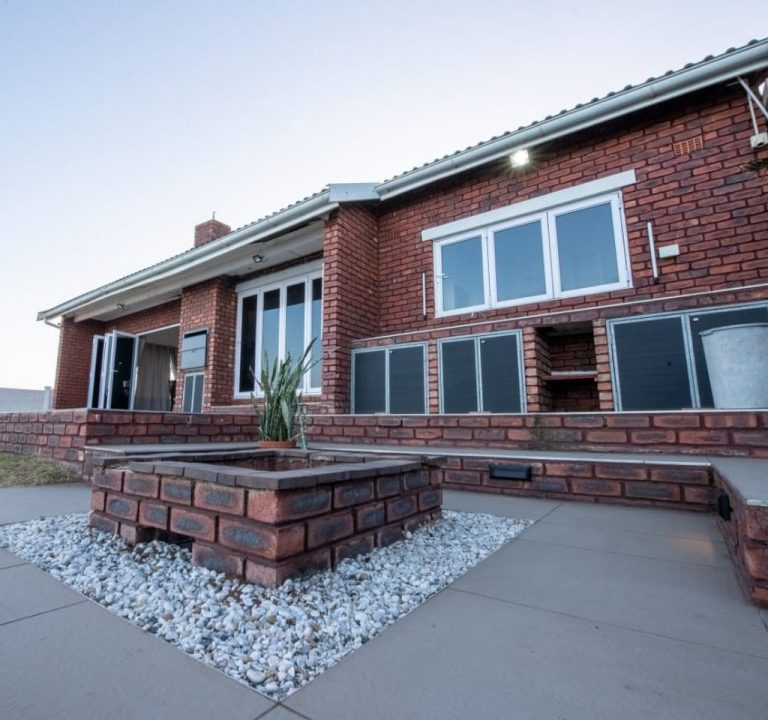
Durban sits on the east coast of South Africa, offering a subtropical climate, miles of golden beaches and a vibrant mix of cultures. When planning a visit, consider the different neighbourhoods that shape your experience: the foreshore and Golden Mile for easy beach access and family-friendly activities; central Durban for heritage and architecture; Berea and Morningside for leafy streets and dining; and the northern coast around Umhlanga for upscale resorts and coastal scenery. For a short break, a guest house such as Le’Horizon Guest House can provide a homely base with easy access to main routes, while in-demand suburbs around the city provide a range of modern amenities and personalised service.
Accommodation in Durban ranges from guest houses and boutique hotels to self-catering apartments and larger resort-style properties. When booking, look for a few practical basics: en-suite bathrooms, reliable air conditioning (important in the warmer months), secure off-street parking if you’re driving, and good access to public transport or local taxis. Breakfast is a common included option at many guest houses, and some properties offer shared living spaces or courtyards that make it easier to mingle with other travellers. If you’re planning a longer stay, a kitchenette or self-catering facilities can be a real convenience.
Transport around Durban is straightforward but can be busy at peak times. The city has a growing public transport network, with bus routes and rideshare options available in central areas and along the coast. If you’re staying in the northern suburbs or coastal belt, a car can provide the most flexibility for exploring beyond the beachfront and into the inland hills and villages. For day trips, consider guided tours or pre-arranged transfers to nearby highlights such as nature reserves, viewpoints in the Valley of a Thousand Hills, or inland markets. If you prefer not to drive, many guest houses offer concierge help or can organise reliable local transport.
The best time to visit Durban depends on your weather tolerance and activities. The city enjoys warm summers and mild, pleasant winters. May to September tends to be drier and cooler, making it comfortable for long beach walks and outdoor sight-seeing. December to February brings hotter days and higher humidity, with the possibility of seasonal showers. For maritime activities and outdoor markets, plan your stay around these seasonal patterns and always pack sun protection and a light rain jacket just in case.
When it comes to attractions, Durban offers a broad mix without the need to travel far. The coastline provides blue-flag beaches suitable for swimming and surfing, and a promenade that lends itself to sunset strolls. Museums, botanical gardens and cultural centres give you a sense of the city’s rich heritage. Family-friendly venues may include an aquarium or marine-themed attractions, while nature lovers can reach nearby hills and nature reserves for scenic viewpoints and hiking. In the city’s dining scene, you’ll find a range of eateries celebrating Indian flavours, seafood specialities and contemporary South African cuisine—often with indoor and al fresco seating to enjoy the climate.
Dining and neighbourhood explorations can be a highlight of a Durban stay. In and around the Golden Mile and the central districts, you’ll encounter a mix of casual eateries and more refined dining rooms, many with menus that highlight local produce and coastal flavours. It’s worth trying a few neighbourly cafés or bistros for breakfast or a light lunch, followed by a relaxed dinner at venues that focus on fresh seafood, curry-inspired dishes or modern South African plates. Durban’s diverse culinary scene pairs well with a stroll through markets or beachfront promenades in the late afternoon.
Practical tips to help you prepare for your visit:
- Book in advance during peak seasons (school holidays and public holidays tend to fill up quickly).
- Read guest reviews to gauge noise levels, neighbourhood safety, and the quality of housekeeping and breakfast service.
- Check access to amenities such as good Wi‑Fi, air conditioning, and on‑site parking if you’re travelling by car.
- Confirm proximity to the beach, transport links, and dining options to minimise travel time between activities.
- Pack sun protection, light clothing for daytime wear, and a light sweater for cooler evenings by the coast.
- Plan a balanced itinerary that includes a mix of beach time, cultural sights and a day or two devoted to local dining discoveries.
As a practical starting point, a stay centred in Durban’s coastal belt gives you instant access to beachside walks, the promenade, and easy trips to nearby attractions. If you prefer a more urban atmosphere with easy dining and cultural facilities, the central and Berea areas offer a blend of heritage architecture, boutique guest houses and convenient transport links. No matter where you stay, Durban rewards travellers with its warmth, family-friendly spaces, and opportunities to experience the vibrancy of KwaZulu-Natal, from hillside viewpoints to bustling markets and tranquil beaches. For more information and ideas on places to visit, you can explore official Durban tourism resources and local guest house listings that tailor stays to different interests and budgets.
Example accommodation: Le’Horizon Guest House (category: Guest house) offers a comfortable, guest-focused option within the city’s diverse accommodation landscape. For further inspiration and arrangements, visit the official tourism pages or recommended accommodation directories that provide up-to-date availability and traveller tips. Ready-made itineraries and self-guided routes can help you map a balanced stay that highlights Durban’s coast, culture and cuisine.