Durban, KwaZulu-Natal: where ocean breezes meet warm hospitality — accommodation, attractions and dining
Durban sits on the eastern coast of South Africa, where subtropical warmth, palm-lined beaches and a vibrant cultural mix shape a relaxed but interesting city break. When planning a stay, consider the areas that align with your interests — whether you want an easy beach stroll, convenient access to city sights or a more local, residential vibe. Durban offers a broad range of options, from boutique B&Bs and guesthouses to family‑run homestays and modern apartments, making it possible to tailor a trip to most budgets and preferences.
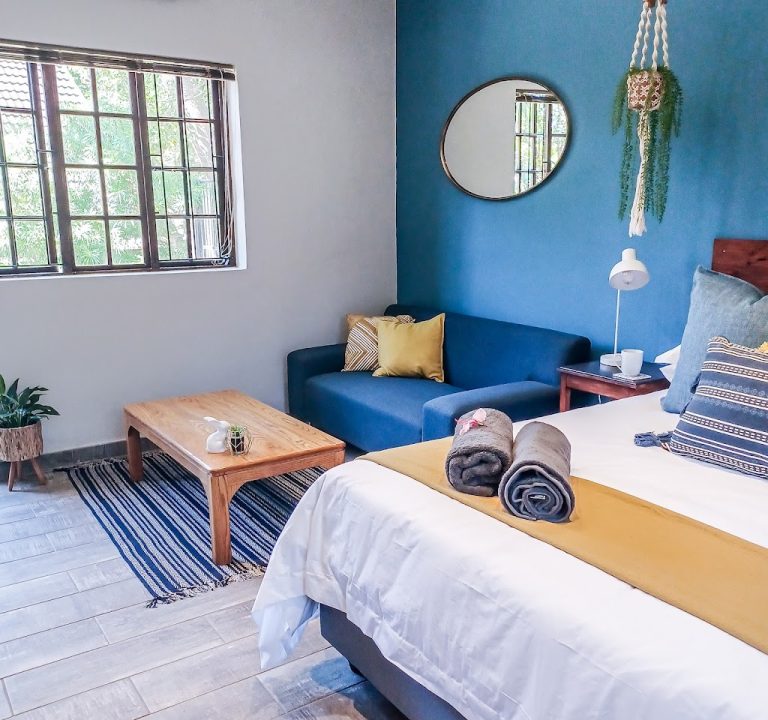
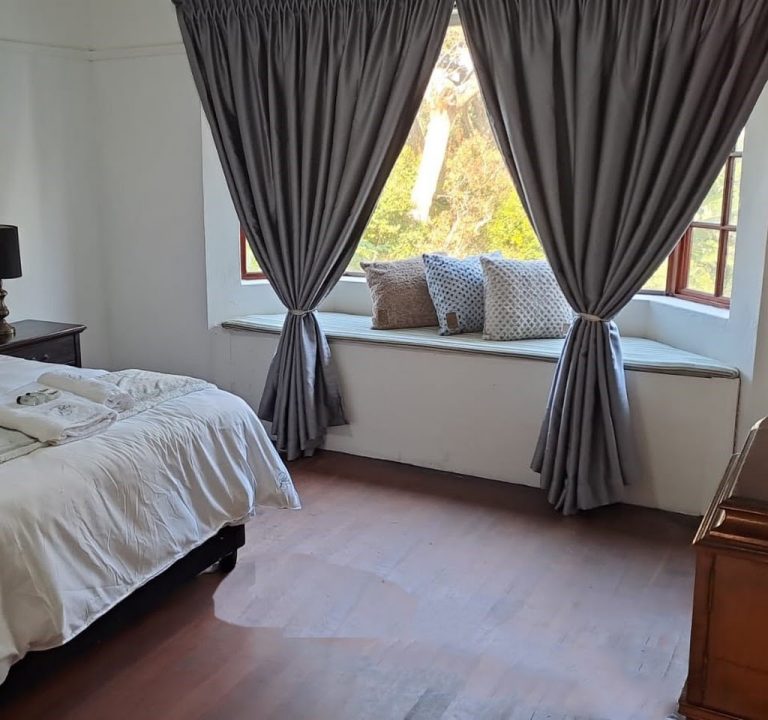
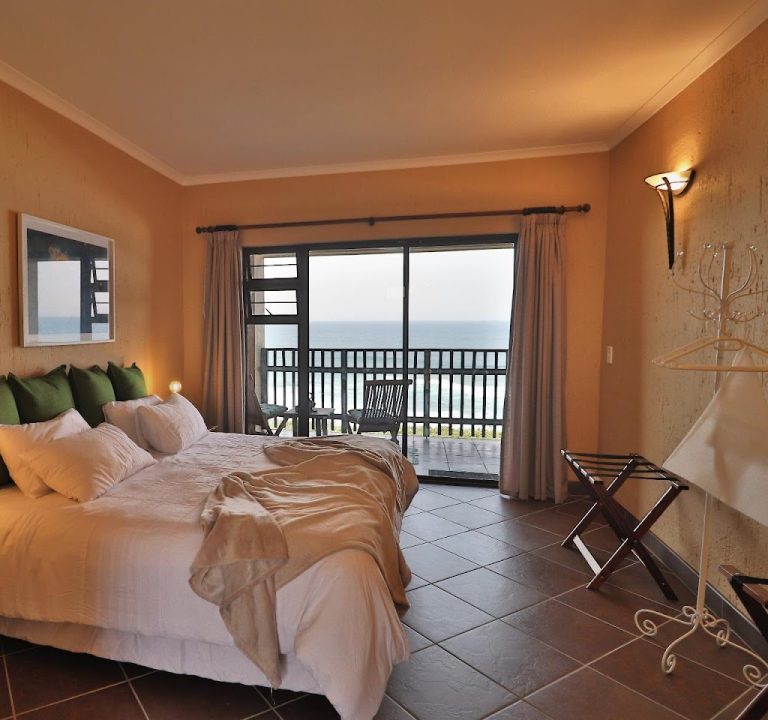
Accommodation options to suit different styles and budgets include intimate guesthouses with personalised service, self-contained apartments in city precincts, and homestays that provide a sense of place and local hospitality. For travellers seeking a dose of local flavour, a homestay such as Ngqondo Homestead can be a comfortable, culturally immersive base, often with opportunities to chat with hosts about the area and daily life. If you favour proximity to the beachfront, look for properties near the Golden Mile or the piers and promenades, where morning joggers and late afternoon walkers share the space with stalls and small eateries. For a quieter retreat, some suburbs offer leafy streets, secure parking and easy road access to main routes out of the city.
Typical amenities you might expect include private or en-suite bathrooms, reliable Wi‑Fi, air conditioning or ceiling fans, telephones or televisions in rooms, and a generous breakfast service or kitchen facilities for self-catering. Parking can be important in busy coastal areas, so filter for properties with off-street or on-site parking. Pools, gardens, and shaded outdoor spaces are common in Durban’s warm climate and can be a welcome retreat after a day of sightseeing. If you travel with luggage or plan longer stays, ask about laundry services and access to ground-floor rooms or lifts if stairs are a concern.
Transport in Durban is a practical consideration. The city has a network of main roads that make driving straightforward, but traffic can be heavier on spring and summer weekends. Public transport options include taxis, ride-hailing apps and a growing urban bus service in parts of the metropolitan area. If you prefer to stay car‑free, choose accommodation within easy reach of beaches, markets and dining pockets, and check whether the property offers airport transfers or guidance on local transit routes. Many areas are walkable along the beachfront, and short rides to shopping centres or markets are common.
Best time to visit Durban hinges on weather and crowds. The city enjoys a warm climate year‑round, with the peak beach season stretching from late spring to early autumn. If you’re aiming for lower room rates, shoulder seasons can still offer pleasant temperatures, with fewer crowds at major attractions. Summer rainfall is possible, but it typically comes in short tropical bursts, leaving plenty of sunshine for outdoor activities afterward. For those seeking cultural events or sport, timing your stay around public holidays or local celebrations can add an extra dimension to the trip, but plan in advance, as popular areas fill quickly.
When planning a Durban itinerary, balance time on the coast with a taste of inland experiences. Beachfront stretches are ideal for long walks, coffee stops and photo opportunities, while inland excursions can include botanical gardens, hillside viewpoints and markets. Durban’s cultural mix is reflected in the dining scene: expect a wide range of seafood specialties, chargrilled meats, and Indian‑influenced curries alongside traditional African flavours. Casual beachfront cafés and casual eateries sit alongside stylish restaurants, making it easy to choose a meal that suits the day’s pace. Markets and street vendors offer opportunities to sample snacks and buy crafts, while established eateries provide a more relaxed dining atmosphere for a longer meal or a family gathering. For a broader taste of KwaZulu‑Natal, some visitors plan day trips to nearby reserves or coastal towns, returning to the city in the evening for a stroll along the promenade and a final drink or dessert before bedtime.
Planning and budgeting tips help ensure a smooth stay. Start with a shortlist of two or three neighbourhoods that fit your rhythm—whether you want the buzz of the beachfront, the convenience of central Durban, or the quieter pace of a residential suburb. Read recent guest reviews to gauge consistency of service, cleanliness and responsiveness. Look for clear cancellation policies, flexible meal options and clear information about parking. If you’re staying in a homestay or smaller guesthouse, consider what you value most—local insights, breakfast, or a private bathroom—and confirm those details before booking. Finally, keep a compact guide or offline map handy, so you can navigate to beaches, markets and eateries without relying on mobile data in every moment.
Durban offers a wealth of experiences beyond the hotel window: sunlit beaches, a coastline rich with activity, and neighbourhoods that celebrate South Africa’s diverse cultures. For more inspiration on places to stay and ideas for things to do, you can visit official visitor information resources and tourism sites. They provide helpful recommendations on planning your trip, transport options and pointers for making the most of a stay in this energetic coastal city.
Website links can help you compare options and read up-to-date travel tips. For a flavour of KwaZulu‑Natal hospitality and a local perspective on Durban, exploring a range of accommodation styles—from homestays to boutique guesthouses—can enhance your visit.