Durban, KwaZulu-Natal: accommodation and experiences for a traveller-friendly stay
Durban sits along the subtropical coast of KwaZulu-Natal, offering a blend of beaches, heritage and modern city life. When planning a stay, consider a mix of neighbourhoods that best suit your interests and travel style. Coastal areas with easy access to the promenade and beaches are ideal for relaxed mornings and sunset strolls, while inland districts provide a gateway to nature reserves, cultural sites and a quieter pace. Durban’s accommodation options range from stylish guesthouses and boutique B&Bs to self‑catering apartments and family‑friendly lodges, many with warm hospitality and practical facilities for longer stays.
Areas to consider for your Durban visit include:
- Foreshore and harbour districts for easy access to the coast, city amenities, and comfortable, central stays.
- Durban North and Umhlanga for a more residential, laid‑back atmosphere with beaches nearby and a range of dining options.
- Berea and Morningside for a vibrant urban feel, close to shops, markets and restaurants, with good transport links.
- South Coast for a more relaxed, family‑friendly environment and access to longer beaches and natural attractions.
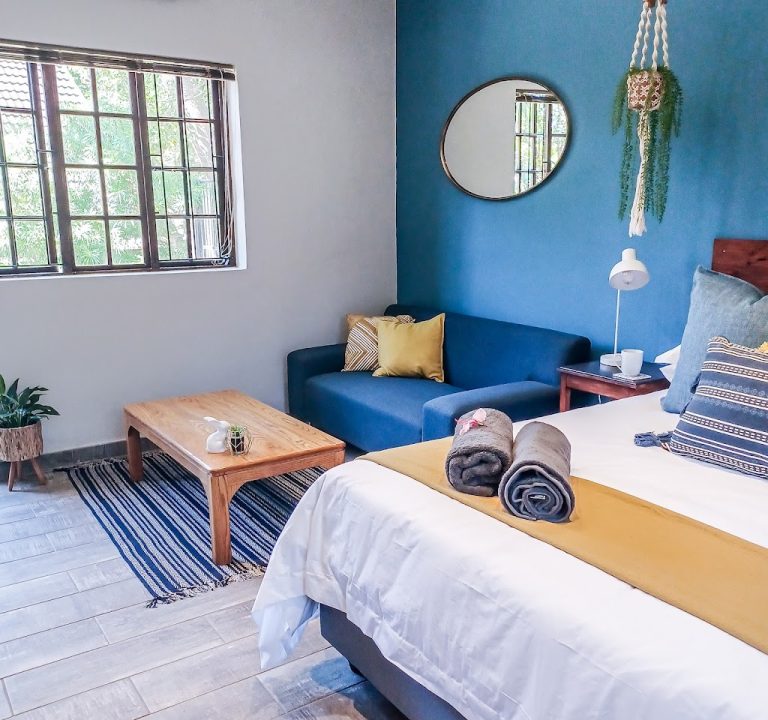
When you book, look for common amenities that support a comfortable stay. Practical features often include reliable Wi‑Fi, air conditioning or good ventilation (Durban’s climate can be warm and humid), a well‑equipped kitchen or kitchenette if you plan self‑catering, secure parking, and on‑site parking facilities for convenience. A welcoming lounge area, daily housekeeping options, and a swimming pool or braai (barbecue) facilities can really enhance a holiday, especially for families or groups. If you’re travelling with children, request child‑friendly furnishings, high chairs, and easy access to markets and parks. For longer stays, check washing facilities or laundry access and consider proximity to supermarkets or wholesale markets for budget shopping.
Transport is a key planning factor. Durban’s public transport includes buses and a coastal rail line, but many visitors find a rental car or ride‑hailing services the most convenient way to explore both the city and outlying attractions. If you prefer not to drive, look for accommodation near major bus routes or within a short taxi ride of beaches, shopping centres, and cultural sites. For day trips to nearby natural landscapes or heritage towns, a private car at your disposal offers the greatest flexibility.
Best time to visit Durban varies with your preferences. The city enjoys warm, sunny weather for most of the year, with a peak in the South African summer months (roughly November to March). This is ideal for beach days and outdoor markets, though it can be hotter and more humid, with occasional afternoon showers. Winter (June to August) is drier and milder, suitable for sightseeing without the crowds. If you’re sensitive to rain, spring and autumn can provide comfortable temperatures and pleasant streetscapes. Consider local events and school holiday periods, which can affect availability and pricing, and plan ahead for peak seasons if you want specific types of accommodation or experiences.
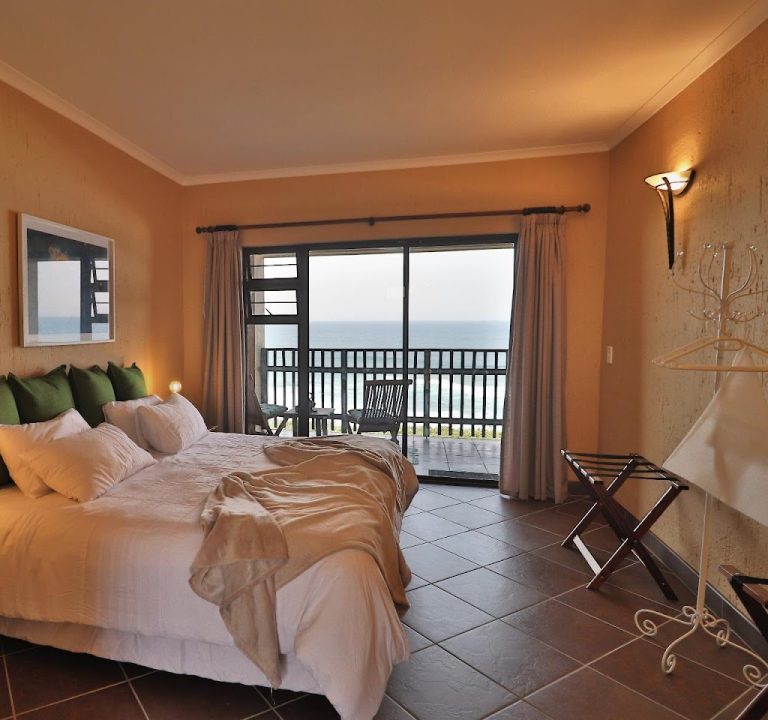
Regarding experiences, Durban offers a broad spectrum of activities that suit various tastes. Expect city‑centre culture and markets, long shoreline walks, and opportunities to learn about Zulu heritage and South Africa’s coastal ecosystems. For a relaxed stay, you might enjoy seaside promenades, parks and family‑friendly recreation, plus informal dining that showcases Indian, African and international influences. In terms of dining, Durban’s culinary scene emphasises fresh seafood, curries, and vibrant street‑food markets, with many restaurants offering views over the harbour or ocean. During your planning, you can browse restaurant guides and local listings to discover new favourites and convenient options near your stay, without committing to specific venues before you arrive.
Accommodation types to consider include:
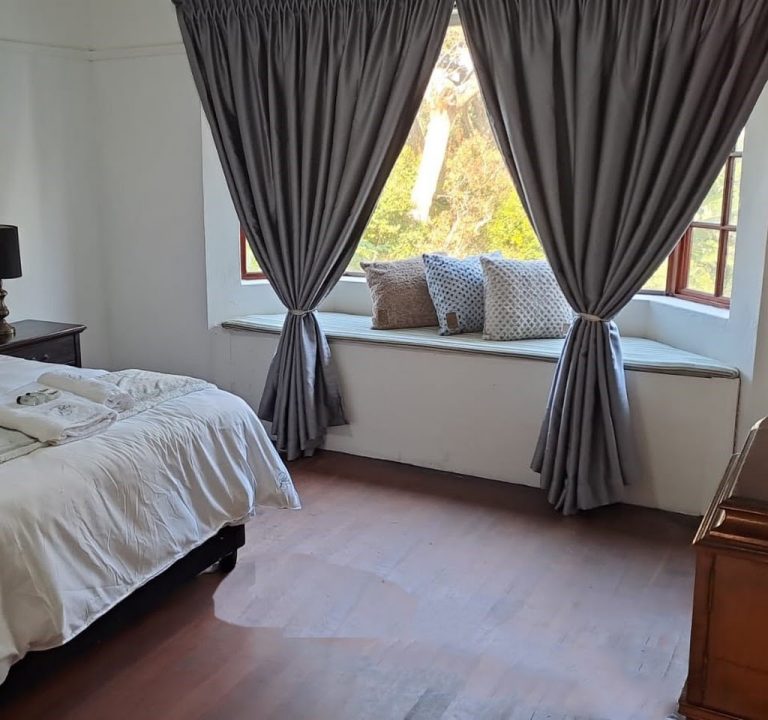
- Guesthouses and B&Bs that provide a personal touch, with breakfast options and hosts who can offer local tips.
- Boutique hotels that combine stylish design with convenient locations for exploring on foot or by short car rides.
- Self‑catering apartments and lodges, ideal for longer visits or groups seeking flexibility and a home‑from‑home feel.
- Farmstays or rural retreats in the surrounding countryside, offering a quieter pace and closer connection with nature. For example, farmstay options such as Crowder Farm provide a countryside alternative within reach of Durban’s attractions.
Practical tips for a smooth Durban stay:
- Book accommodation with good safety features and well‑lit areas, especially if you plan to wander back from evening outings.
- Check proximity to beaches, supermarkets, and public transport routes to maximise convenience and minimise travel time.
- Bring light clothing, sun protection, and a compact rain Layer, as the climate can be warm and unexpectedly wet depending on the season.
- Ask hosts or concierge staff about nearby markets, casual eateries and family activities to tailor your itinerary to your interests.
- Respect local customs and wildlife guidelines when exploring coastal or rural areas, and plan for comfortable footwear for varied terrains.
Durban can be enjoyed at a relaxed pace or with a packed itinerary, depending on your mood and the company you keep. A well‑chosen base, sensible transport plans, and flexibility around dining and activity options will help you make the most of your stay in this vibrant KwaZulu‑Natal city. Whether you are seeking sea breezes, cultural encounters, or convenient access to the region’s natural beauty, Durban offers welcoming accommodation and a spectrum of experiences to suit most travellers.