Durban: Accommodation and the Best of KwaZulu-Natal’s Visitor Friendly Experiences
Durban, a vibrant coastal city in KwaZulu-Natal, blends subtropical beaches, bustling markets and a rich mix of cultures. When planning a stay, think about choosing a neighbourhood that matches your itinerary, whether you want easy beach access, family friendly streets, or a quieter hilltop base with stunning views. Durban offers a broad spectrum of places to stay, from coastal guesthouses to modern boutique hotels and spacious lodges in the surrounding countryside. A well chosen base can make it easier to explore the city’s highlights and the nearby parks and nature reserves without long daily commutes.
Areas to consider for accommodation include the Golden Mile and North Beach for sea views and easy access to the promenade, and the trendy coastal suburbs such as Umhlanga Rocks for a more resort atmosphere with excellent dining options. Glenwood and Musgrave offer a calmer, more residential feel with a strong café and boutique scene, while Morningside provides convenient access to shops and restaurants. For a gateway to nature, the northern and inland routes bring you to scenic hills and nature reserves within short drives of central Durban. If you’re visiting with family or a group, look for properties with flexible configurations, such as family rooms, self-catering units or private entrances, which can provide extra convenience and value.
Booking considerations go beyond price. Check for a sense of security and a well-maintained property, reliable housekeeping, and clear information about parking and transport links. It helps to confirm whether the accommodation offers parking on site, easy access to Uber or taxi services, and proximity to main roads or public transport. In Durban’s warmer months, air conditioning or good ventilation is a practical amenity, while in winter a heater or heater blankets can be a comfort in the evenings. Free fibre or good Wi‑Fi is often appreciated by travellers who want to stay connected while they explore the coast.
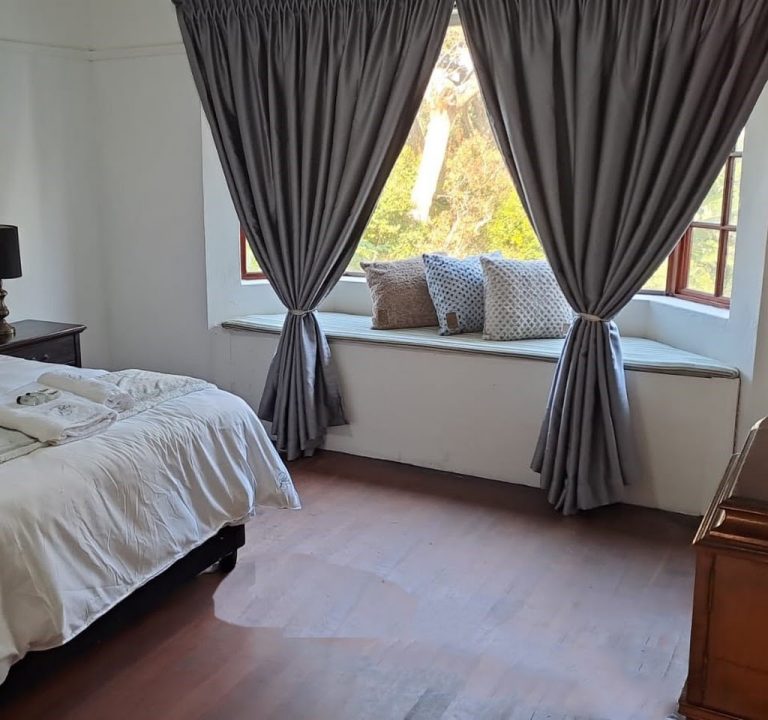
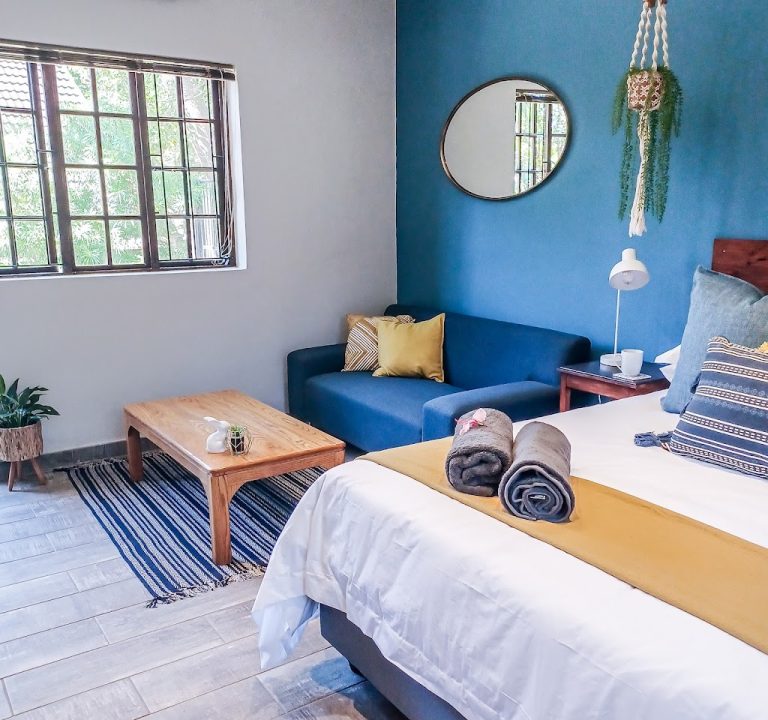
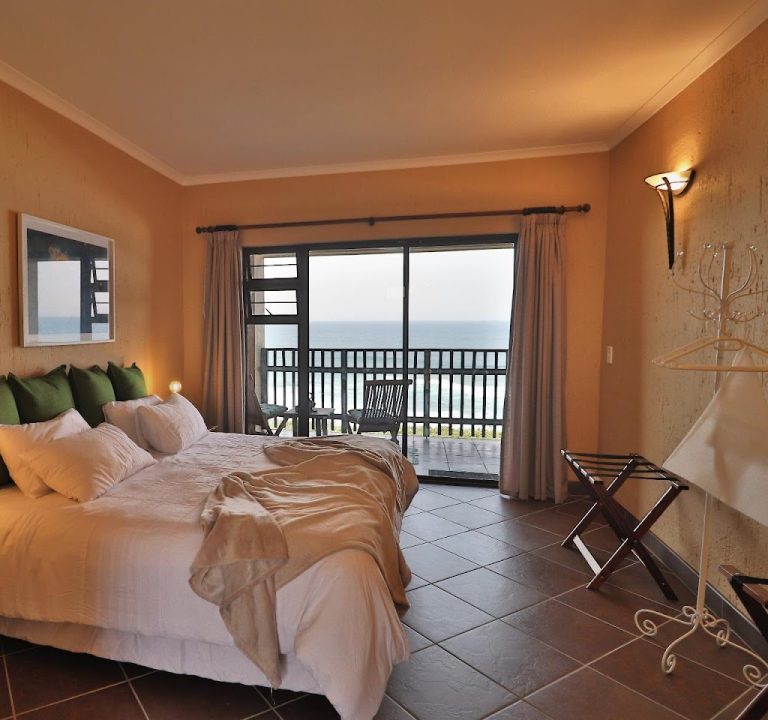
Typical amenities you might expect include en-suite bathrooms, clean and comfortable beds, crisp white linen, coffee and tea facilities, a kitchenette or self-catering option, and a friendly guest lounge or outdoor seating area. Some properties provide breakfast options or offer a shared kitchen for guests. A welcoming host can make a big difference, offering tips on local eateries, current market days, and hidden corners of the city worth visiting. A well-run guest house or boutique hotel can feel like a home away from home, while still offering professional service and daily housekeeping.
Practical planning tips:
- Book with a clear cancellation policy in case travel plans change, especially during peak periods or school holidays.
- Consider proximity to the venues you plan to visit, such as beaches, attractions, and dining districts, to minimise daily travel time.
- Ask about safety features and how access to the building works after hours, particularly if you are arriving late at night.
- Check for options to store luggage after checkout and whether there are facilities for drying wet beach gear or handling early morning departures.
- Look for local knowledge: many Durban hosts are happy to share routes, market days, and recommendations for day trips beyond the city.
Durban’s attractions span city beaches, cultural landmarks, and family-friendly parks. A relaxed coastal promenade stroll, a visit to a major market, and a sunset walk along the shore are good starting points. Day trips from Durban can include nearby wildlife reserves, inland valleys, and nature trails, offering opportunities to see native flora and fauna, depending on the season. For food lovers, Durban is renowned for its mix of flavours, including seafood and curries, with many eateries offering comfortable, casual dining in friendly neighbourhoods. When planning meals, you’ll find everything from traditional eateries to modern bistros, with menus that reflect the city’s diverse cultures.
Transport options in Durban range from car hire and private transfers to more affordable shared rides and established bus networks. If you’re staying near central areas or the coast, walking and easy ride-hailing options can cover a lot of ground. For day trips to the surrounding scenery, a rental car or a guided tour can be convenient, especially if you want to explore beyond the immediate city limits. For those who prefer not to drive, many guest houses and hotels organise or can recommend reliable transport and guided experiences to popular attractions and local markets.
Examples of accommodating properties in the area include traditional guest houses and boutique stays that balance period charm with modern comforts. As a case in point, Atlas Guesthouse offers a welcoming base in a location that is well suited to travellers seeking a thoughtful, comfortable stay with easy access to Durban’s highlights. For more information, you can visit their website at Atlas Guesthouse.
The best time to visit Durban is typically outside the peak mid-winter rain period for outdoor activities, and outside the hottest days of summer if you’re not fond of high humidity. May to September tends to be mild and pleasant, making it a good window for exploring the city’s outdoor sights and nearby nature reserves. If you’re keen on the beaches and warm sea swims, Durban’s summer is popular, but you’ll want to book well in advance for coastal accommodation during holiday periods.