Durban, KwaZulu-Natal: Where to stay, what to see, and how to plan your visit
Durban is a sun-soaked port city on the KwaZulu-Natal coast, blending subtropical ambience with a rich blend of cultures. When planning a stay, think about what kind of base will suit your rhythm—beachside mornings, energetic city strolls, or leafy residential calm. Durban’s accommodation landscape ranges from intimate homestays and guesthouses to stylish hotels and family-run lodges, all with a friendly, traveller-centred ethos.
Begin with a few core districts to guide your search. The Golden Mile and nearby beachfront precincts offer easy access to sea air, promenades, and a cluster of seafood spots and casual eateries. The Berea and nearby upper streets provide a mix of chic guesthouses and boutique hotels, often with charming heritage buildings and walkable access to shops and cafés. For a more modern, resort-like feel with good connectivity to the airport and business hubs, Umhlanga and La Lucia offer newer properties and a curated seaside experience. For deeper immersion and value, consider family-owned homestays or guesthouses inland or a short drive from the coast, which can provide warmth, guidance, and a sense of community.
When booking, look for several practical features that make Durban stays comfortable and convenient. A reliable air conditioning system is essential in Durban’s humid subtropical climate, particularly in summer and shoulder seasons. Free or well-priced parking can be a boon if you’re exploring by car, while access to reliable Wi‑Fi helps guests plan day trips and research locality highlights. An on-site or closely located restaurant, or a knowledge job of staff who can point you to nearby eateries, can save time after a day on the sand or in the city. Note whether the accommodation welcomes families, couples, or solo travellers, and whether there are terraces, shared lounges, or quiet corners for downtime between excursions.
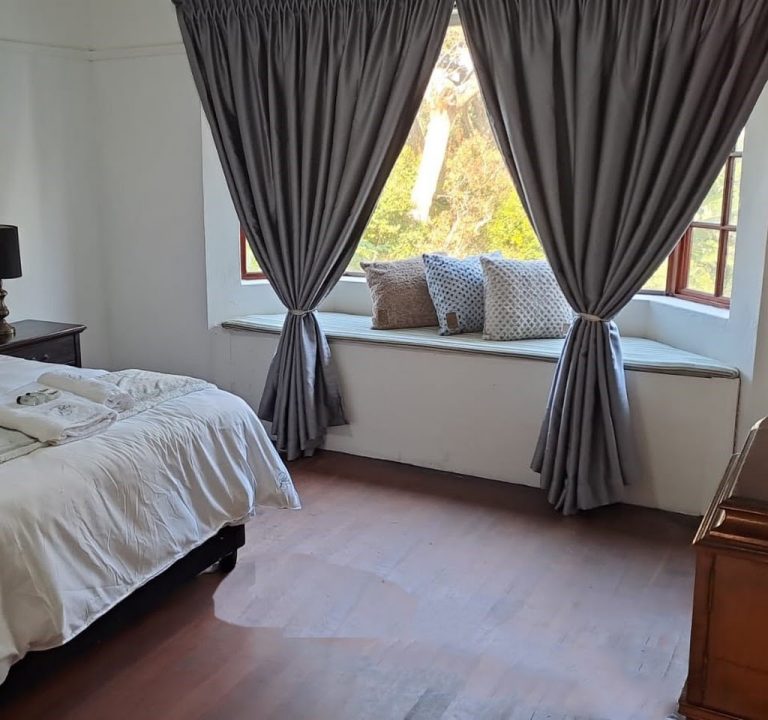
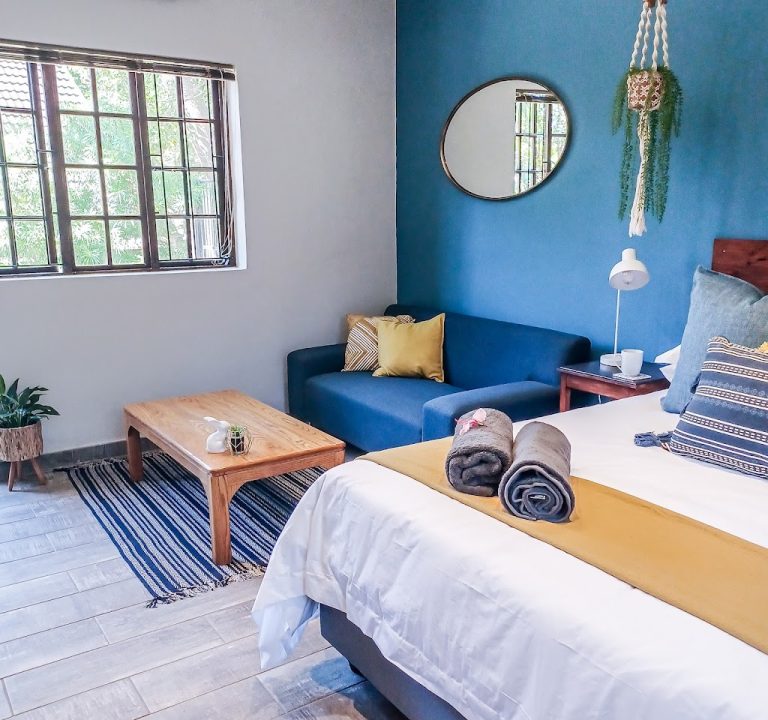
Mbatha Residents, a homestay option noted in some traveller guides, exemplifies the kind of personal experience many visitors seek. Homestays often provide a more intimate glimpse of daily life, with hosts who can offer bespoke tips on local markets, safe beach routes, and affectionately curated neighbourhood walks. When considering this type of stay, read host profiles carefully, check house rules, and confirm meal arrangements or self-catering facilities so your plans fit your itinerary.
Typical amenities across Durban properties often include outdoor pools, comfortable guest lounges, and terraces with city or sea views. The coastal climate means many properties capitalise on fresh air and outdoor spaces—think verandahs, courtyards, and sunlit dining areas. In addition, family-friendly stays frequently supply travel cots or high chairs, while some properties specialise in business-friendly features such as work desks, ample power outlets, and late check-in capabilities. If you’re visiting with a vehicle, ensure your accommodation provides secure parking or clear guidance on safe street parking in the chosen district.
Transport is a practical consideration. Durban’s attractions spread across a broad area, so a car is often convenient, especially if you plan to explore beyond the beachfront. However, the city is serviced by taxis and ride-hailing options, and some areas are well connected by MyCiTi buses. If you prefer a walkable base, the beachfront precinct and certain inner-city areas offer compact layouts with nearby cafés, markets, and parks. For day trips, you might consider a guided tour or a hire with flexible drop-off options to visit inland attractions such as nature reserves or the countryside routes along the Valley of a Thousand Hills, which showcase the region’s natural beauty and cultural heritage.
The best time to visit Durban is generally during the shoulder seasons of spring and autumn when the weather is warm but not oppressively hot, and rainfall is uneven. However, Durban’s coastal climate makes summer a popular choice for beach lovers, while winter can be mild and pleasant for sightseeing without the crowds. If you’re planning to swim or surf, check seasonal water conditions and local surf rules, and always stay aware of local safety guidance at beaches and public spaces.
When planning activities, mix iconic sights with lighter, local experiences. Family-friendly moments often revolve around coastal promenades, seaside markets, and informal eateries offering traditional flavours. If you enjoy nature and landscapes, consider a day trip to nearby hills or scenic overlooks, where the scenery rewards slow, relaxed exploration. For meals, Durban’s dining scene is a rich blend of coastal seafood, Indian-influenced curries, and contemporary eateries. Rather than seeking specific prices or awards, look for places with good traveller feedback, clear menus, and welcoming host or staff interactions. Ask hosts or guest services for recommendations on seasonal dishes or hidden-gem spots that locals frequent, which can yield memorable meals without the touristy feel.
Practical tips for a smooth stay:
- Book with a clear cancellation policy and a flexible dining arrangement if you’re unsure of meals during your stay.
- Seek accommodation with clear guidance on beaches, safe swimming zones, and reputable transport options.
- Pack light layers for evenings by the coast, plus a hat and sunscreen for daytime hours outdoors.
- Check power outages or load-shedding notices in advance, especially if you rely on devices for work or navigation.
- Plan your core days around climate and traffic patterns to maximise time at beaches, markets, and parks.
Durban offers a welcoming mix of places to stay, each with its own tone and proximity to the city’s natural and cultural highlights. Whether you select a homestay that invites local warmth, a boutique guesthouse with intimate spaces, or a coastal hotel that puts the shore at your doorstep, you’re likely to leave with a sense of the city’s vibrant energy, friendly faces, and a lasting sense of place. For further planning, you can explore official Durban tourism resources for up-to-date guides on neighborhoods, activities, and dining options that align with your travel style.