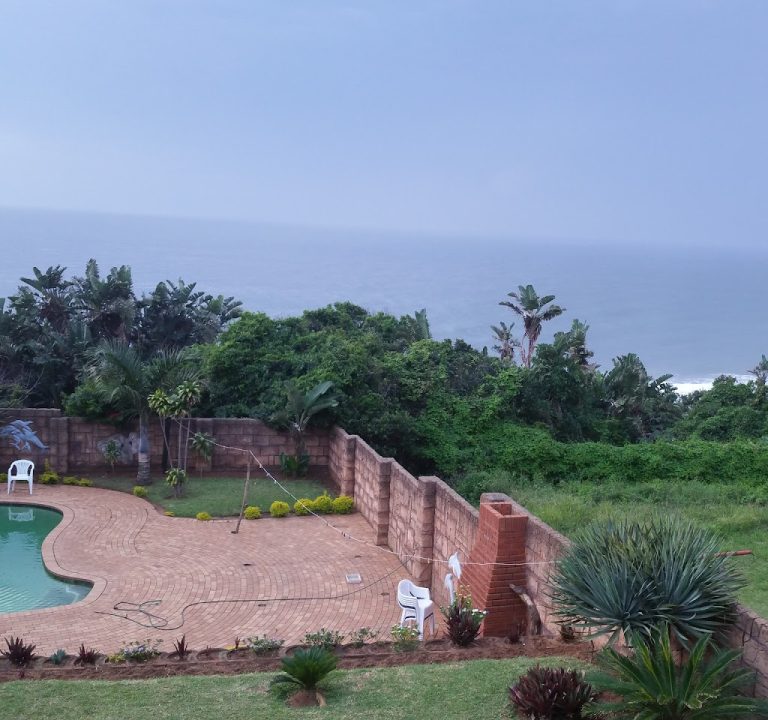
Durban: where warm beaches meet rich culture – a guide to accommodation and experiences
Durban, on KwaZulu-Natal’s coastline, offers a vibrant mix of sun-soaked beaches, lush hinterland scenery and a hospitality scene that ranges from intimate guest houses to contemporary city hotels. When planning a stay, think about what you want from a neighbourhood as well as the key comforts that will make your visit easy and enjoyable. Durban’s subtropical climate means warm winters and hot summers, so you can tailor your plans to the season and still enjoy outdoor time most of the year.
Areas to consider for a stay
- The beachfront and Golden Mile – ideal for first-time visitors who want quick access to beaches, promenade walks and a lively atmosphere with cafés and casual dining along the coast. This area is well-suited to travellers who enjoy a connected, walkable vibe and easy evening strolls.
- Berea and Glenwood – classic Durban neighbourhoods with charming guest houses and boutique hotels, set near leafy streets, independent shops and cafés. These areas offer a comfortable blend of local character and convenient access to the city centre and major attractions.
- Durban North and Umhlanga – excellent if you prefer a calmer base with coastal views and newer accommodation. These areas are popular with visitors seeking more upmarket stays while still being within reach of Durban’s sights and the airport.
- The city centre and Grey Street precinct – ideal for culture lovers and those who want a shorter journey to museums, markets and theatre venues. Expect a mix of guest houses and modern hotels with easy transport links.
What to look for when booking
- Location relevance – assess how close you need to be to beaches, attractions, or tram/bus routes. If you’re exploring long distances, ensure your base offers convenient transport options or easy rideshares.
- Privacy and space – check room layouts, en-suite facilities and whether the accommodation offers self-catering options, a guest lounge or communal spaces for socialising or relaxing after a day out.
- Amenities – many places in Durban provide air conditioning or fans, reliable Wi‑Fi, secure parking, and breakfast options. If you’re visiting in peak season, a pool or shaded outdoor areas can be a big plus.
- Safety and access – read recent guest reviews about security, lighting and access. If you’ll be returning late, ensure safe and well-lit pathways and clear instructions for entry.
- Transport access – confirm whether the property offers airport transfers, on-site parking or easy access to public transport and ride-hailing services.
Typical accommodation features and what to expect
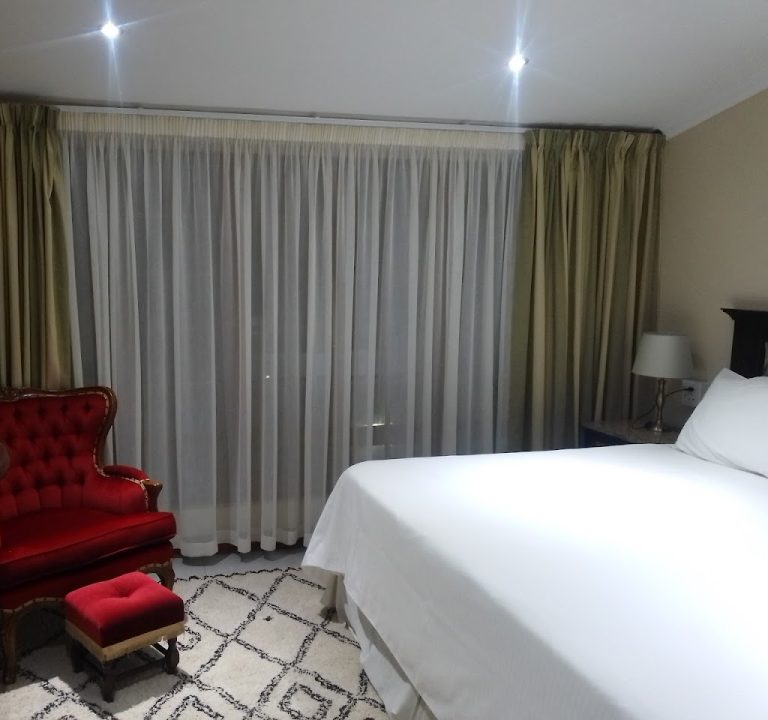
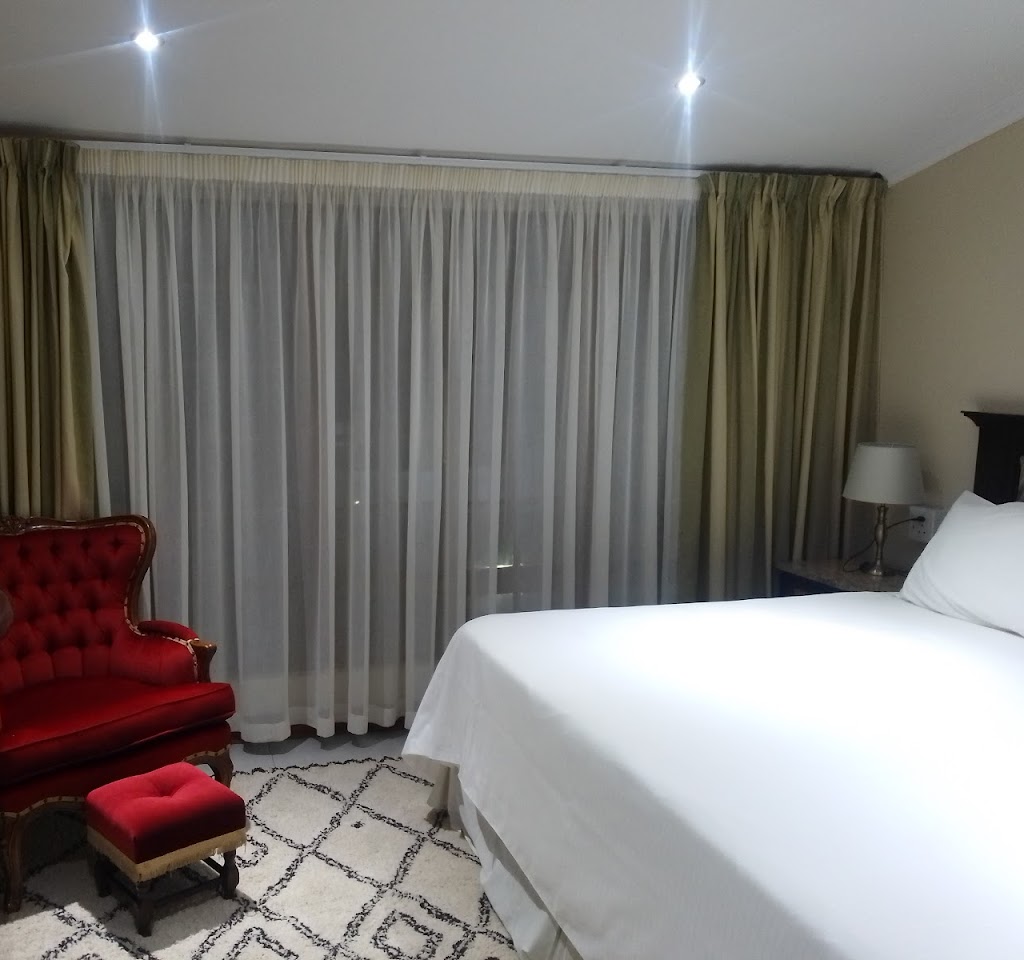
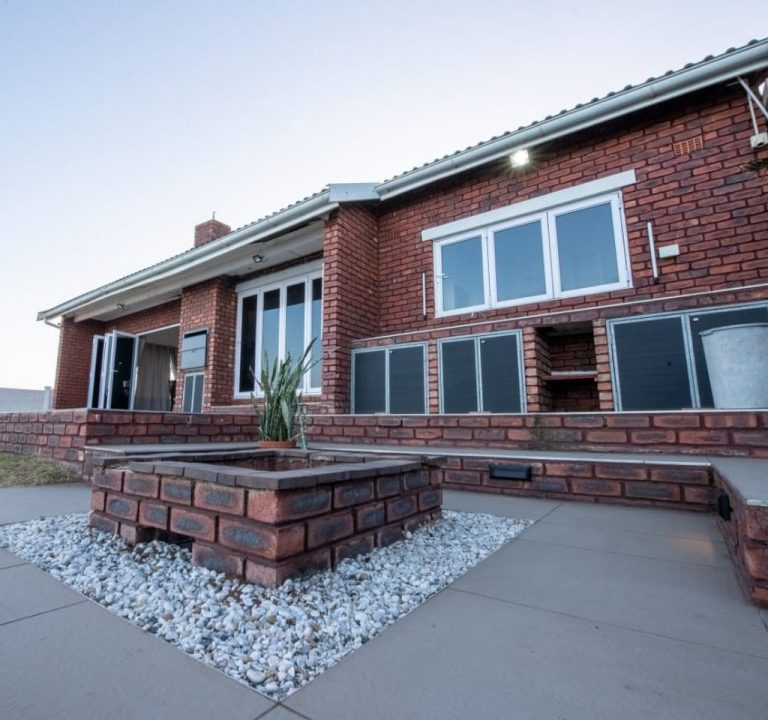
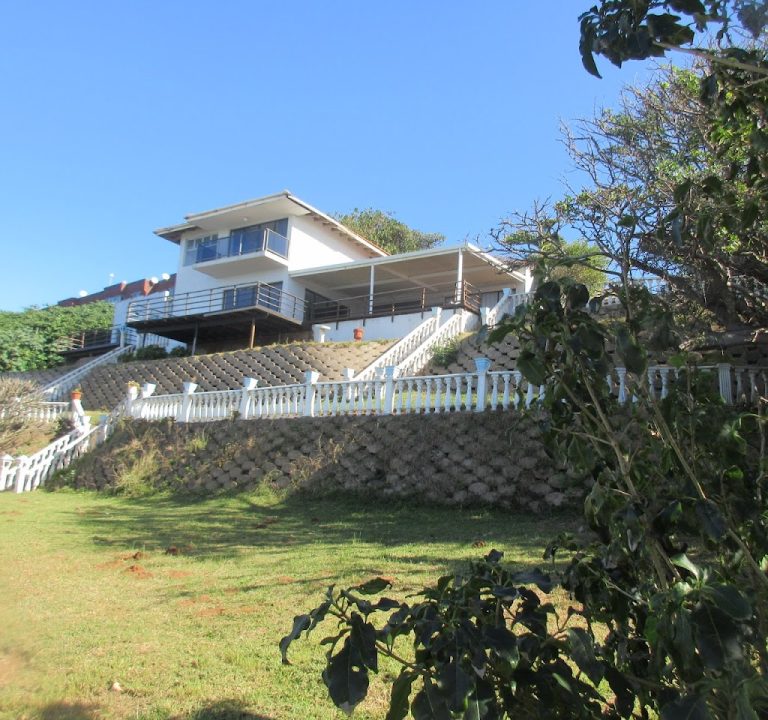
Durban’s guest houses and boutique hotels tend to offer a personalised touch: warm hospitality, a breakfast option with regional flavours, and spaces that showcase local design and hospitality knowledge. You’ll often find guest houses with mid-century or modern décor, courtyards, and patios that invite you to unwind after a day of sightseeing. Shared kitchens or communal lounges can be convenient for longer stays, while some properties provide curated recommendations for dining and activities in the area.
Transport and getting around
Durban’s road network and taxi services make it straightforward to move between beaches, markets and dining areas. If you’re not driving, Uber and other ride-hailing apps are widely used, with reliable options for late evenings or day trips. For travellers who enjoy scenic routes, calculate travel times to big-ticket attractions and plan some lighter days to avoid peak-hour delays. The city’s coastline is dotted with popular beaches, and coastal paths are ideal for morning jogs or sunset strolls.
Best time to visit and practical tips
Durban’s climate is generally warm, with summer rainfall and mild winters. The dry season (roughly May to August) can be pleasant for outdoor sightseeing and city walks, while summer (November to February) brings lively beach life and plenty of sunshine. If you’re visiting during peak season, book well in advance for your preferred area and type of accommodation, and consider a slightly flexible itinerary to accommodate weather or crowd conditions.
Practical planning tips to maximise your stay
- Book a place with inclusive breakfast if you’d like to minimise morning planning, or choose a self-catering option if you prefer picnics on the beach or a lazy start to the day.
- Check the neighbourhood vibe before you arrive: some areas are lively late at night, while others are more serene and suited to restful evenings.
- Pack light layers: Durban’s humidity can be high, especially in summer, and indoor venues may be air conditioned or cooler in the evenings.
- Investigate local markets and street food areas for affordable dining and a sense of place, alongside established restaurants offering regional flavours.
- Respect local guidelines and conservation efforts in coastal environments and wildlife attractions, while enjoying safe and responsible exploration.
Attractions and experiences to plan around
Durban offers a broad spectrum of activities, from pristine beaches and ocean safaris to botanical gardens and cultural precincts. You may choose to stroll along the harbour, explore marine-life and aquariums, or wander through markets and historic neighbourhoods to discover Durban’s blend of Zulu heritage, Indian influences and colonial-era architecture. When you’re ready for a culinary interlude, expect casual coastal eateries, classic South African favourites, and contemporary restaurants that highlight fresh, local ingredients.
For further inspiration and practical details on planning your Durban stay, you can visit official tourism resources or reputable travel guides for up-to-date recommendations on accommodation options, transport tips, and current happenings around the city. A well-chosen base in Durban will set you up for a relaxed, family-friendly or culturally enriching visit, with easy access to the beaches, parks and neighbourhoods that make this part of KwaZulu-Natal such a distinctive destination.