Cape Town: Accommodation, Attractions and Dining in the Western Cape
Cape Town offers a diverse mix of places to stay, from stylish city boltholes to relaxed seaside guesthouses and contemporary hotels in historic districts. When planning a stay, begin by considering which neighbourhood will frame your experiences. The city blends dramatic natural scenery with rich cultural life, making the choice of area a core part of the itinerary.
City Bowl and the V&A Waterfront are convenient for first timers who want easy access to transport, sights and dining. The famous harbour area provides a lively mix of restaurants, markets and occasional entertainment, with convenient access to major roads and the rail network. For a more relaxed break by the sea, Camps Bay or Signal Hill’s neighbouring climbs offer upfront Atlantic views and easy access to beaches and sunset spots. For a touch of historic charm and intimate guest experiences, Woodlands and the Bo-Kaap neighbourhoods offer walkable streets, colour and character. Constantia presents a vineyard-laden countryside escape while still keeping a hand in the city’s cultural pulse via nearby museums and galleries.
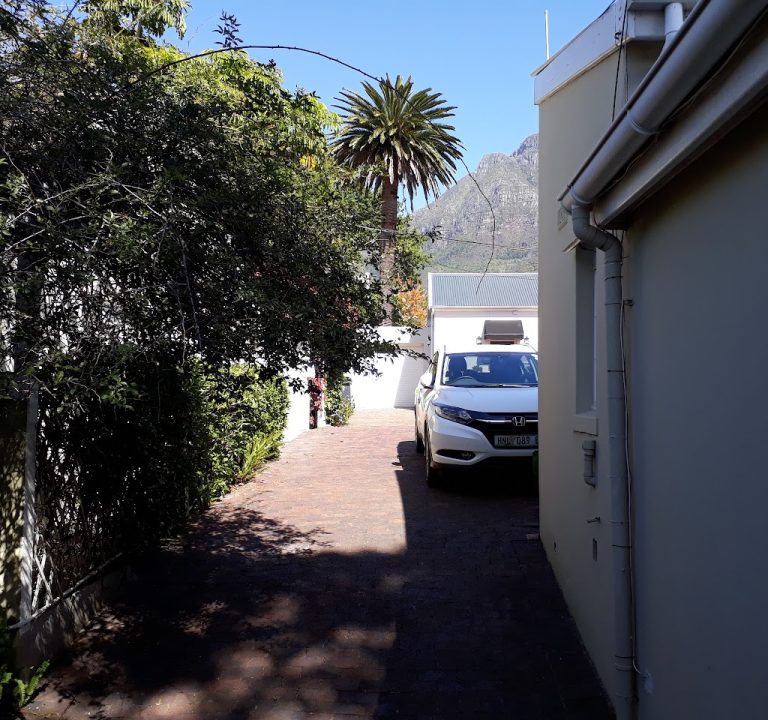
When choosing accommodation, look for the essentials that make a stay comfortable and practical. A well‑equipped kitchen or kitchenette can be invaluable for longer visits or families, while dependable Wi‑Fi helps guests plan day trips and stay connected. Gentle street noise or well‑insulated rooms help ensure restful nights, especially in busy districts. Check for supportive reception hours, secure luggage storage, and clear access to transit links. If you plan to rent a car, confirm parking options on site or nearby, as on‑street parking can be restricted in popular districts. For those relying on public transport, proximity to bus routes, the MyCiTi network or rail links is a major convenience factor.
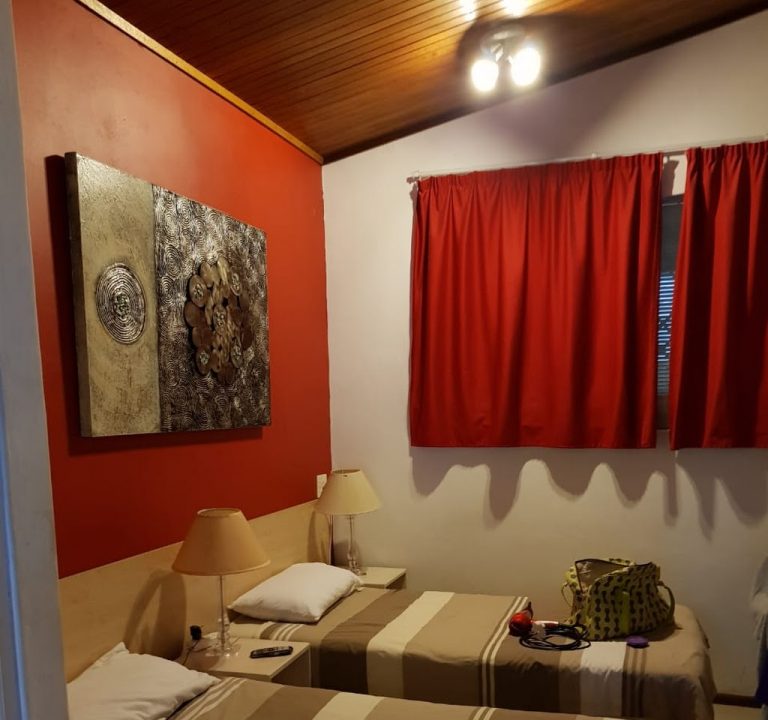
Typical amenities you may encounter range from en‑suite bathrooms and daily housekeeping to on‑site dining options, fitness spaces, and outdoor terraces with city or sea views. Some properties offer curated experiences such as guided walks, wine tastings, or bicycle tours. If you’re travelling with children, look for family‑friendly layouts, flexible bedding arrangements and quiet policy notes. For longer stays, note whether a property offers laundry facilities, a compact kitchen, or a laundry drop service. Energy and water considerations may also feature in listings, given the region’s occasional conservation measures.
Transport is a practical anchor for planning your move around the city. The MyCiTi bus system is widely used for short hops across the southern suburbs and to the city centre. The railway line running along the Atlantic Seaboard and Southern Suburbs can be a scenic alternative for day trips. If you prefer more freedom, many stays provide parking or are within walking distance of popular sights. Taxis and rideshares are widely available, but peak times can bring delays; a little planning helps you reserve time for activities without feeling rushed.
The best time to visit Cape Town depends on what you want from your trip. The shoulder seasons—spring and autumn—often offer milder weather, fewer crowds and more affordable rates, making them ideal for visitors seeking a balanced experience. Summer brings longer days, lively outdoor dining and beaches, but can be busy in peak months. Winter, with its cooler, cloudier days and occasional rain, reveals a different side of the city, including museums, indoor markets and a contemplative coastline. Pack layers, sun protection for the high summer glare, and a light waterproof layer for unpredictable coastal weather.
Beyond where to stay, the city’s attractions and dining scene invite a broad spectrum of experiences. Visitors can explore natural landmarks, striking viewpoints, and coastal walks that showcase the region’s dramatic geology and marine life. Museums and galleries offer a thoughtful counterpoint to outdoor activities, with exhibitions spanning South Africa’s history, contemporary art and design. For eating, Cape Town’s dining scene ranges from casual bistros to elegant tasting menus, often with a strong emphasis on seasonal produce and ocean‑front ingredients. Many places emphasise sustainability and locally sourced ingredients, so you’ll typically encounter fresh, flavourful dishes aligned with the city’s coastal setting.
Practical planning tips to help you get the most from your stay:
- Book accommodation with flexible cancellation policies where possible, particularly in peak seasons or during travel fluctuations.
- Consider combining a city stay with a countryside or wine‑region break to balance experiences and pacing.
- Prepare a rough itinerary that includes a mix of outdoor activities, cultural visits and relaxed meals to avoid fatigue.
- Check neighbourhood character before booking—some areas are lively at night, while others are quiet and residential.
- Plan for safety by keeping valuables secure, especially in busy public spaces and popular tourist hubs.
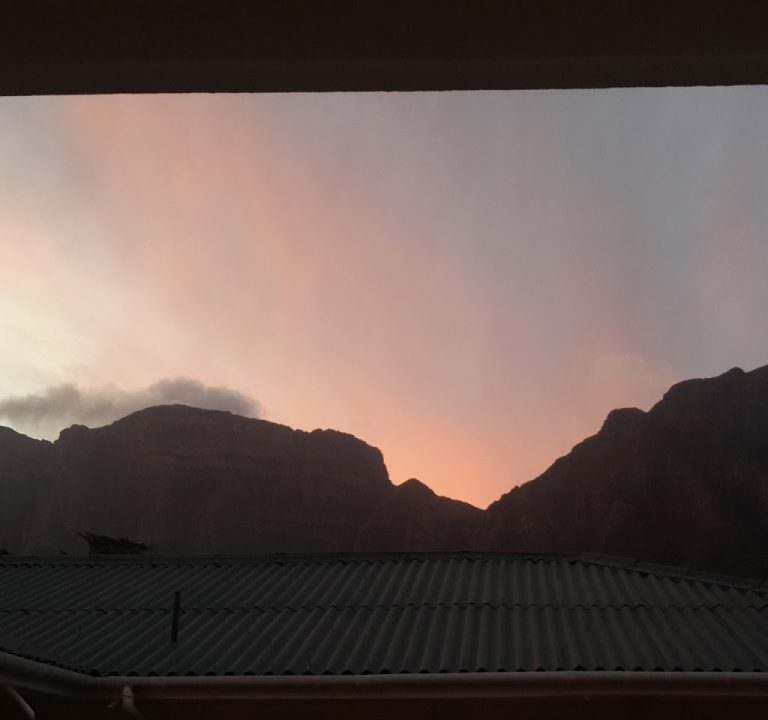
Whether your interests lean toward dramatic coastal vistas, modern urban life, or heritage architecture, Cape Town provides a thoughtful range of places to stay and experiences to savour. For planning inspiration and practical details, explore official tourism resources and current guides about the Western Cape, and consider booking directly through accommodation providers or trusted platforms. A well‑chosen base can unlock the full spectrum of travel experiences the Cape Town region has to offer, from sunrise perspectives over the Atlantic to sunset meals with a view.
Discover more about Cape Town and its surroundings at local tourism sites and the official visitor portals. Their up‑to‑date guidance can help you tailor an itinerary that matches your pace, interests and budget, ensuring a memorable stay in this iconic part of South Africa. For those seeking a contemporary stay with easy access to beaches, eateries and cultural venues, Cape Town remains a compelling choice for a balanced and enriching visit.