Accommodation and Experiences in Cape Town: Planning a Memorable Stay
Cape Town, set between the Atlantic Ocean and the iconic Table Mountain, offers a diverse range of places to stay and a wealth of experiences to suit every traveller. When planning a visit, think about the neighbourhoods that best match your pace, interests and access to the city’s highlights. Whether you prefer a cosy guest house in a leafy suburb, a contemporary apartment near the harbour, or a boutique hotel along the Atlantic Seaboard, you’ll find options that balance comfort with a local flavour.
Areas to consider include the City Bowl for easy access to museums, markets and vibrant dining; the V&A Waterfront for waterside views and convenient transport links; Green Point and the Atlantic Seaboard for scenic walks and beaches; and the Southern Suburbs or Constantia for lush scenery, wine cellars and a quieter atmosphere. For a family-friendly stay, look for properties in Rondebosch or Kalk Bay where calmer streets and good accessibility to schools, parks and coastal paths are common. Consider proximity to MyCiTi buses or rail links if you prefer to minimise car use.
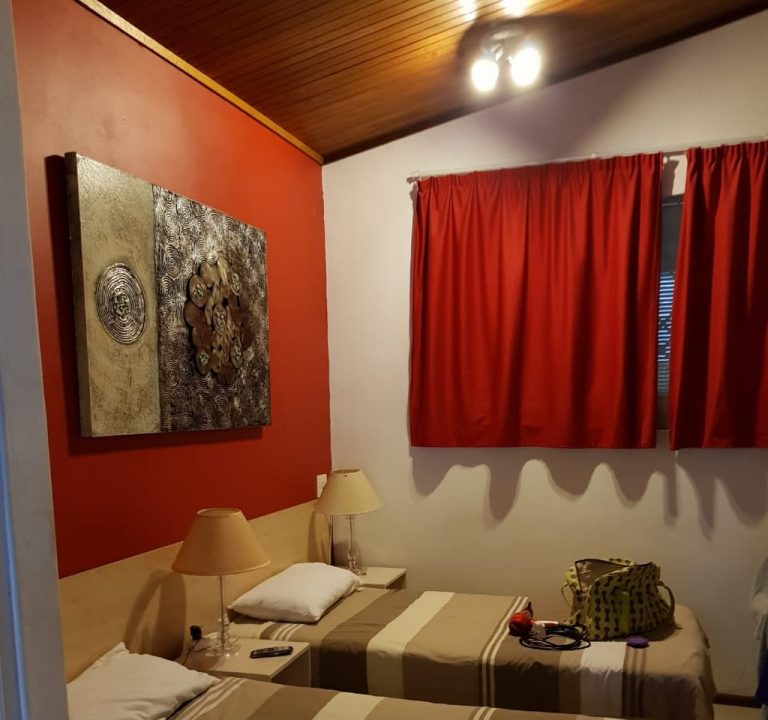
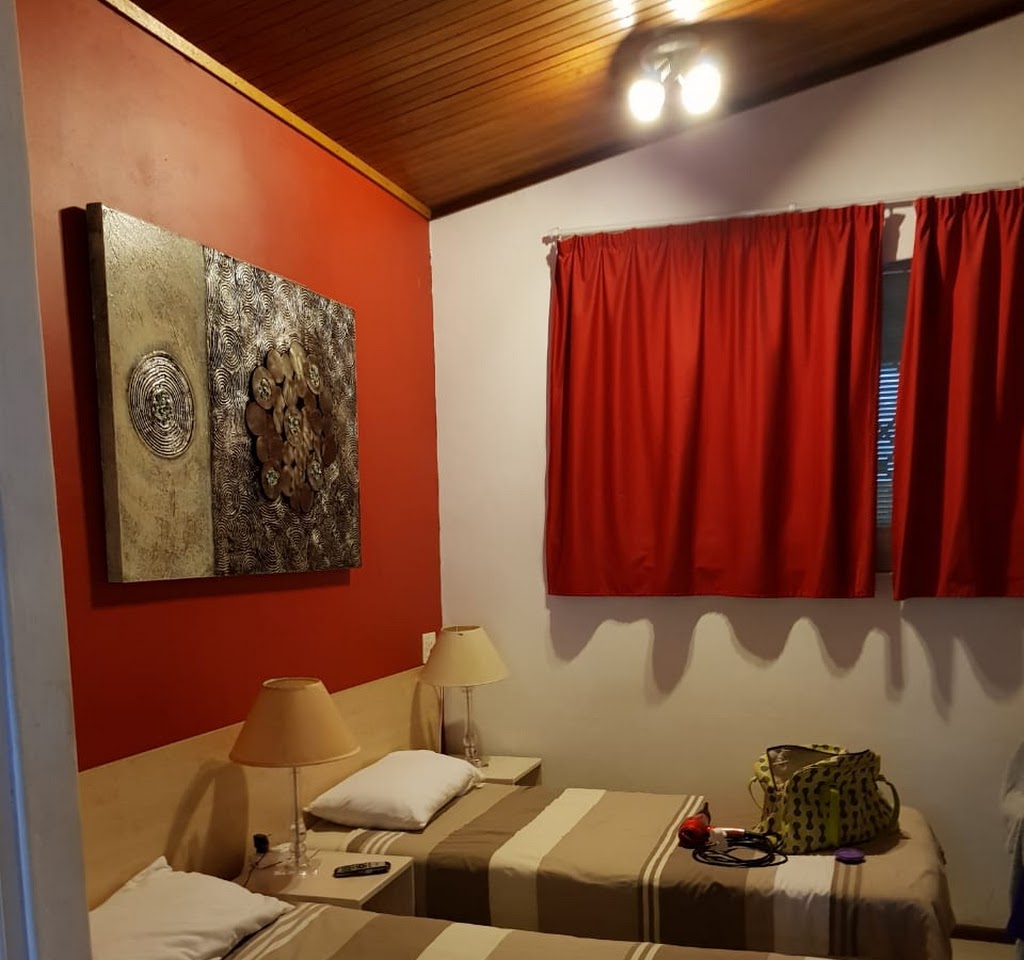
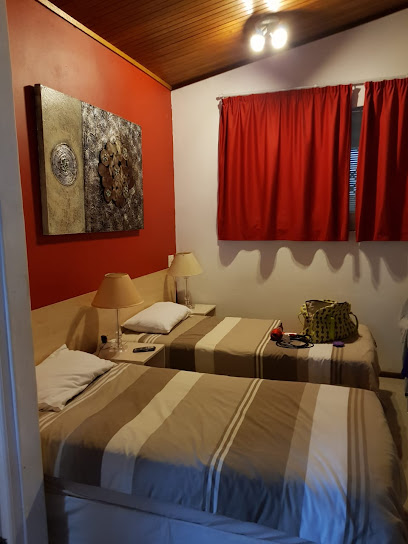
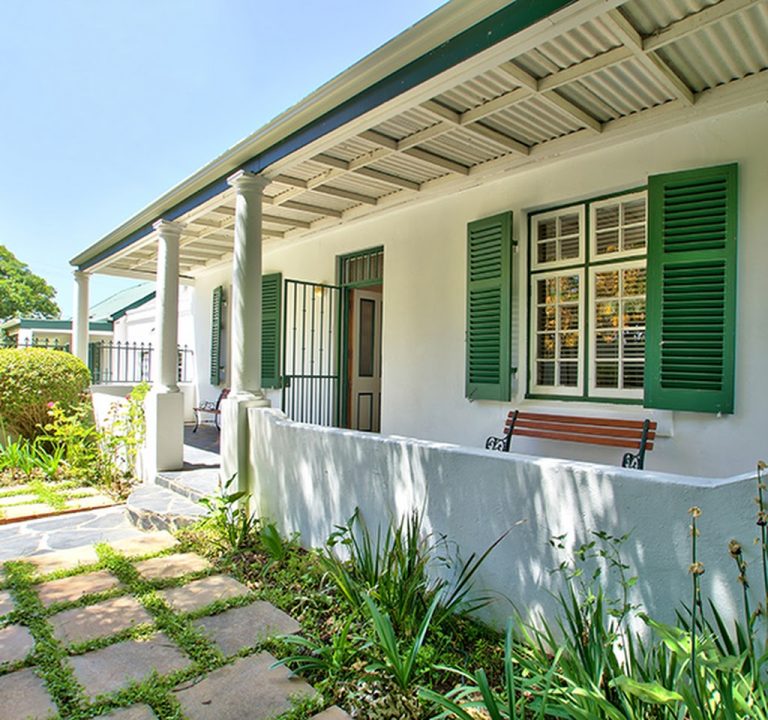
When choosing accommodation, think about what matters most for your stay. Do you want a full-service hotel with on-site dining and reception, a guest house with a personalised touch, or a self-catering apartment with more independence? Look for clear details on parking, security (such as gated access or 24-hour staff), and house rules that suit your plans. Many guest houses and boutique hotels in Cape Town combine a homely atmosphere with a sense of place, often offering breakfast options, and in some cases, curated recommendations from hosts about local routes and eateries.
Typical amenities to expect include comfortable beds with quality bedding, private or en-suite bathrooms, tea and coffee provisions, reliable Wi‑Fi, a work desk or seating area, and heating or cooling suitable for Cape Town’s seasonal changes. Extra touches that travellers value include a well-equipped kitchen or kitchenette, laundry facilities, a pleasant outdoor area, secure parking, and thoughtful extras such as luggage storage, express check-in, and local maps or guides. If you plan to drive, check the property’s parking arrangements and whether it can accommodate your vehicle size, especially in urban areas where street parking rules vary.
Transport and getting around are important planning considerations. Cape Town’s geography means some areas are easier to explore on foot or by short taxi or rideshare trips, while others benefit from a car or organised tour transfers. If you prefer not to hire a car, look for accommodation near transport hubs or with good access to the neighbourhood’s bus routes. For day trips to the Cape Winelands, the Cape Peninsula, or Cape Point, many guest houses and boutique hotels can arrange or recommend trusted tour operators and private guides. Check whether the property offers shuttle services or can connect you with reputable drivers for longer excursions.
The best time to visit Cape Town depends on what you want from your trip. Spring (September to November) and autumn (March to May) are often ideal for mild weather and comfortable touring conditions. Summer (December to February) brings longer days and beaches, but can be busy around popular sites. Winter (June to August) is cooler and wetter, though fewer crowds can make it appealing for city exploration and cosy evenings. If you plan outdoor activities like hiking Table Mountain or visiting coastal towns, match your stay to the seasons and the local forecast to avoid disruptions.
When it comes to experiences, Cape Town has a broad appeal beyond its accommodation. Natural attractions such as viewpoints over the city, coastal walks, and scenic drives are complemented by cultural sites, markets, and museums. Half- or full-day trips to nearby regions, such as the Cape Peninsula, Stellenbosch or Constantia wine routes, offer a chance to sample local flavours and scenery. In the city itself, you’ll likely encounter vibrant dining scenes ranging from casual eateries to refined restaurants that showcase South African ingredients and multi-cultural influences. Many visitors also enjoy markets and coffee shops that capture the city’s creative energy, alongside guided tours that provide insight into the area’s history and landscapes without relying on a fixed itinerary.
Practical tips for a smooth stay:
- Book accommodation with clear cancellation policies and detailed descriptions of the space and amenities.
- Read recent guest reviews to gauge comfort, cleanliness, and host responsiveness.
- Verify security measures, parking options, and access procedures for late arrivals.
- Ask hosts or concierges for updated recommendations on safe, convenient transport and the best local eateries for your budget.
- Pack sun protection, layers for varying coastal temperatures, and adaptable footwear for walks and uneven paths.
For planning purposes, consider including a mix of experiences in your itinerary: a day of scenic viewpoints and coastal walks, a half-day city culture excursion, and a couple of relaxed meals at local eateries. Cape Town’s setting invites exploration, whether you choose a serene guest house in a leafy suburb or a stylish hotel closer to the sea. Access to nature, easy connections to culinary and arts scenes, and the warmth of local hospitality all contribute to a satisfying stay.
To start planning, you might visit official tourism resources for Cape Town and reputable travel guides that describe neighbourhoods, transport options, and seasonal highlights. These sources can help you tailor a stay that aligns with your interests, from scenic leisure to immersive cultural experiences, while ensuring practical logistics are well covered. For more information and inspiration, visit the official Cape Town tourism website or trusted travel platforms that focus on accommodation and visitor experiences within the city and surrounding regions.