Cape Town: Accommodation, Attractions and Practical Planning for your Stay
South Africa’s Mother City blends striking scenery with a wealth of experiences, from dramatic coastal scenery to urban culture and world‑class food. When planning a stay in Cape Town, think beyond a single neighbourhood and consider how proximity to sights, transport links and dining hubs will shape your days. A range of accommodation styles suits different itineraries, from boutique BnBs and guesthouses to self‑catering apartments and lodges, all designed to make travel easy and comfortable.
Where to stay matters as much as what you will do. The Atlantic Seaboard offers coastal views, easy access to beaches, and a cosmopolitan edge with stylish eateries and shops. The City Bowl and Colourful Bo-Kaap provide high‑energy urban experiences, proximity to galleries, markets and bars, and convenient access to the city’s transport network. For wine lovers or those seeking a quieter base, Constantia, Voëltjie or the Constantia Valley offer green surroundings, easy mountain access and laid‑back appeal. In contrast, the Southern Suburbs combine leafy streets with slower rhythms and are well placed for day trips to Kirstenbosch Botanical Garden and nearby beaches. Each area has distinct moods, so plan two or three bases if you want a broad Cape Town experience.
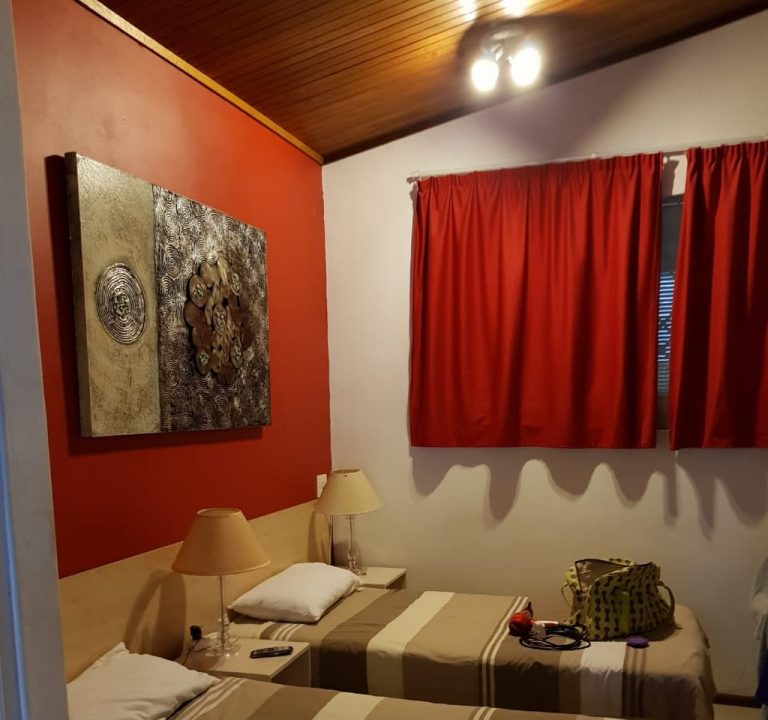
When booking accommodation, look for a few practical essentials. A comfortable bed and dependable heating or cooling are worth prioritising, given Cape Town’s seasonal shifts. An en suite bathroom, adequate storage, reliable Wi‑Fi, and a well‑equipped kitchenette or access to a communal kitchen can simplify longer stays. Check the property’s flexibility on arrival and departure times, and whether housekeeping, laundry facilities, and parking are included or available at extra cost. If you’re travelling with family or a small group, a self‑catering apartment or a townhouse can offer more space and privacy than a standard hotel room.
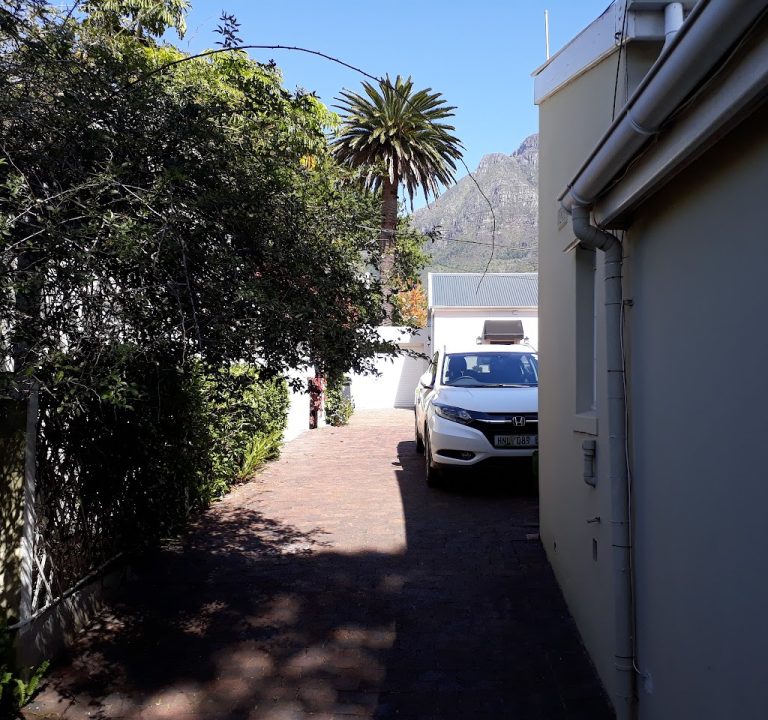
Transport in Cape Town ranges from car hire to efficient public transit and ride‑hailing services. A car offers the most freedom, especially if you intend to explore the Cape Peninsula, wine routes or the southern beaches. Alternatively, many guesthouses and lodges offer convenient shuttles or curated experiences, and Uber or local ride‑hailing options provide urban flexibility. When choosing a venue, consider how easy it is to access major sights, airport transfers, and the availability of secure on‑site parking if you plan to stay a few days in one place.
Best time to visit Cape Town depends on what you want from your trip. Spring (September to November) and autumn (March to May) offer mild weather, lower rainfall and thinner crowds, while summer (December to February) brings lively outdoor activity and peak beaches. Winter is cooler and wetter but can be comfortable for culture‑driven itineraries and city walks, with fewer crowds. If you plan a coastal drive or a Table Mountain visit, check the forecast, as weather conditions can change quickly and dramatically on the mountain or along the Atlantic coast.
A typical stay often balances natural attractions with cultural and culinary experiences. Iconic viewpoints and accessible trails around Table Mountain and the Lion’s Head area provide outdoor highlights, while a waterfront stroll or harbour district visit offers shops and casual dining. In the broader food scene, you’ll find an emphasis on fresh produce, modern interpretations of regional flavours, and vibrant markets where you can sample local treats. For those seeking exploration beyond the city, day trips to the Cape Peninsula, the Cape Winelands or coastal towns offer a broader sense of the Western Cape’s rhythm without needing to book far in advance at popular venues.
Practical planning tips to keep your trip smooth:
- Book accommodation with flexibility where possible, especially if your plans may change with weather or tides.
- Choose a base with easy access to public transport or parking if you plan to rent a car.
- Check for guest‑facing amenities such as a pool, outdoor spaces, and reliable Wi‑Fi for working or streaming.
- Look for options with on‑site or nearby dining and casual cafés to minimise travel time after long days of sightseeing.
- Ask about safety features and local guidance on areas to visit at night, particularly if you’re exploring urban neighbourhoods after dark.
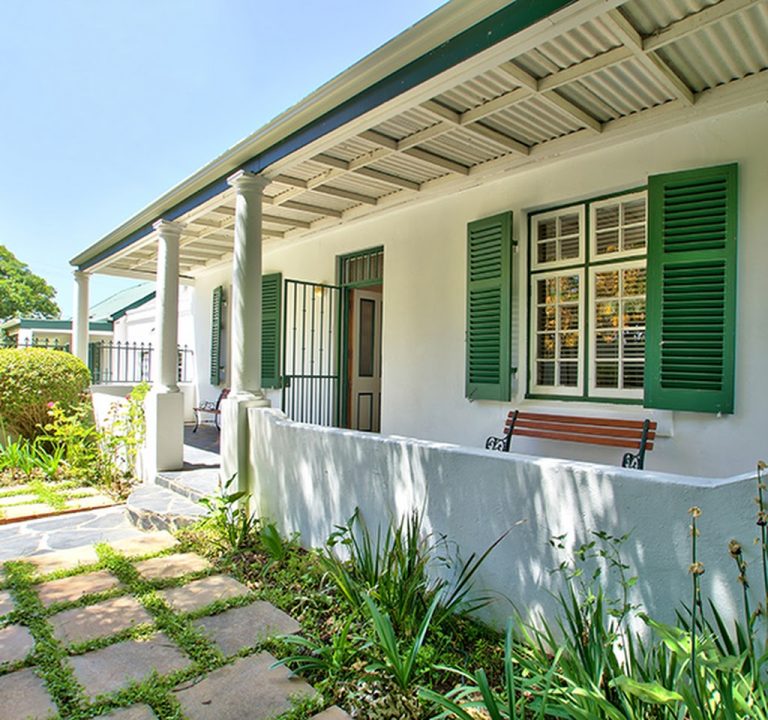
For those staying with a more homely approach, consider places that resemble a boutique guesthouse or a small lodge. Hame Cottages, for example, can offer an intimate indoor lodging atmosphere that pairs privacy with personalised service, allowing guests to unwind after a day of exploring Cape Town’s attractions and markets. Whether you choose a modern apartment, a characterful guesthouse or a serene countryside lodge, balance comfort, accessibility and atmosphere to craft a stay that suits both your pace and your itinerary.
Finally, plan to mix a few must‑see experiences with off‑the‑beaten‑path discoveries. Take in the sweeping views from a high vantage point, wander through neighbourhoods with Cape Dutch architecture, and enjoy meals that reflect the city’s diversity. Cape Town rewards curious travellers with a blend of dramatic scenery, vibrant culture and warm hospitality, making smart planning and a flexible approach the best tools for a memorable visit.