Accommodating Cape Town: Where to Stay and What to Do
Cape Town, with its soaring Table Mountain, sparkling coastline and vibrant neighbourhoods, offers a wide range of accommodation to suit every traveller. Whether you prefer a cosy cottage, a modern guesthouse, a boutique hotel, or a self-catering option near the city’s bustle, planning your stay around the right areas can make a big difference to your experience of the Western Cape. Below is a practical guide to finding a place to stay, along with ideas for experiencing the city and surrounding attractions.
When choosing where to base yourself, consider what you want to do most days. If you aim to explore the Winelands, the Constantia Valley and the southern coast, staying in the Constantia/Clayville side of the city or in nearby suburbs can cut travel times. For easy access to the V&A Waterfront, the historic heart of the City Bowl, or adventurous hikes up Table Mountain, central areas such as the City Bowl, Tamboerskloof, or Gardens offer walkable streets, a range of eateries, and reliable transport connections. For a more relaxed, residential feel close to beaches, you might look towards Sea Point, Camps Bay, or the Atlantic Seaboard. For families seeking a quieter stay with leafy streets and good schools, areas like Rondebosch or Newlands provide a picturesque setting with easy links into the city centre and Kirstenbosch Botanical Gardens.
Typical accommodation options in Cape Town vary from self-catering cottages and guesthouses to boutique hotels and self-contained cottages on private properties. Many visitor properties emphasise comfort and practicality: secure parking or easy access to public transport, reliable housekeeping services, and well-equipped kitchens. Quiet, private spaces are common in cottage-style stays, while some guesthouses offer shared facilities alongside ensuite bedrooms. When booking, look for clarity about the size of the space, the number of bedrooms, and whether there are private entrances or communal areas. For families or groups, check if there are flexible configurations, such as sofa beds or extra cots, and whether the property provides high chairs or baby equipment if needed.
What to look for when you book
- Location relative to your planned activities and preferred neighbourhood vibe
- Clear cancellation policies and transparent pricing, including any extra costs for cleaning or utilities
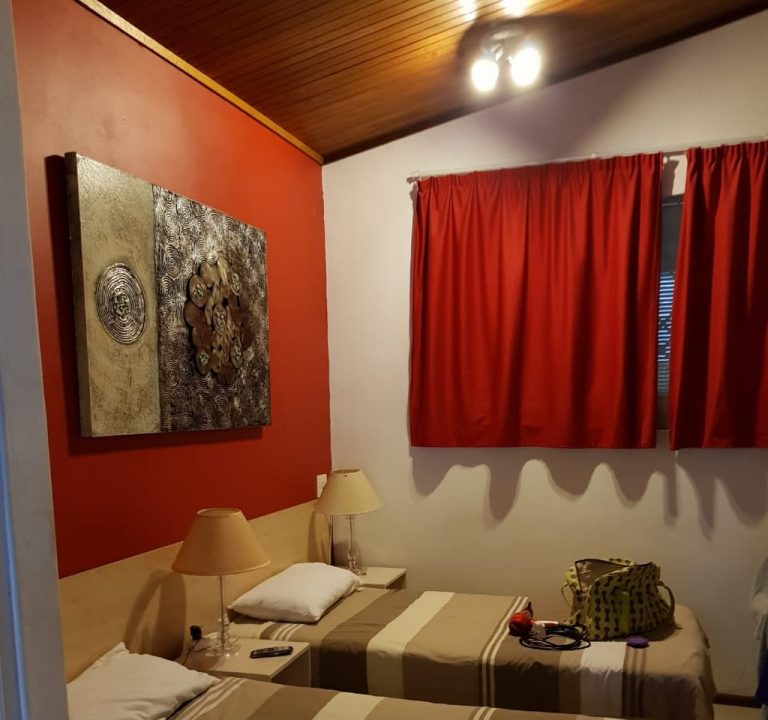
- Photos or descriptions that accurately reflect the space and furnishings
- Accessibility features if needed, such as ground-floor access and parking
- In-unit amenities like a well-equipped kitchen, reliable Wi-Fi, heating/cairing options, and secure storage
Typical amenities you can expect include well-equipped kitchens or kitchenettes, linen and towels, and good heating or air conditioning suitable for Cape Town’s seasons. Many properties offer free or paid on-site parking, which remains a practical perk in busy parts of the city. Laundry facilities—whether in-room, on-site, or nearby—are particularly useful for longer visits. For comfort and convenience, look for properties with generous workspaces for remote travellers, adequate lighting, and a dependable hot-water supply. A comfortable bed with quality bedding is essential for a restful stay after days spent exploring the city.
Transport and getting around
Cape Town’s transport options include MyCiTi buses, trains, ride-hailing services, and car hire. If you plan to travel beyond the immediate city centre, a hire car can offer flexibility, especially for trips to the Winelands or the Cape Peninsula. Within central areas, many places are within a pleasant walk of cafes and markets, or a short ride away by taxi or rideshare. When assessing a property, check whether parking is local or on-site, and whether there are convenient transport links nearby. If you intend to travel with a bicycle, see whether the area is bike-friendly and if the property has safe storage or a rack for cycles.
Best time to visit and practical tips
Cape Town enjoys a temperate climate, with dry summers (roughly December to February) and wetter winters (June to August). Summer is popular for beach days and outdoor dining, but it’s also when popular spots can be busiest. Shoulder seasons—late spring and autumn—often offer pleasant weather with fewer crowds. Spring and summer are excellent for outdoor activities such as hiking, shoreline strolls, and visiting the city’s green spaces and gardens. If you are seeking whale-watching, late winter to early spring can be particularly rewarding along the coast near oceanside towns. Pack layers, a light rain jacket for sudden showers, and comfortable walking shoes for hills and coastal paths. Sunscreen and sunglasses are advisable for bright days on the Atlantic seaboard.
Experiences and dining in general terms
Cape Town is renowned for its mix of landscapes and culinary influences. While specific venues and menus change, most travellers benefit from a mix of markets, casual eateries, and refined dining. Expect fresh seafood, seasonal produce, and dishes that reflect influences from the local sea, winelands, and diverse communities. In planning activities, you might combine a scenic drive along the Atlantic coast with a visit to a historic site, followed by a relaxed meal at a waterfront or urban neighbourhood restaurant. For families or groups, consider staying near parks or botanical gardens, where you can combine a day of exploration with a picnic and a casual dinner nearby.
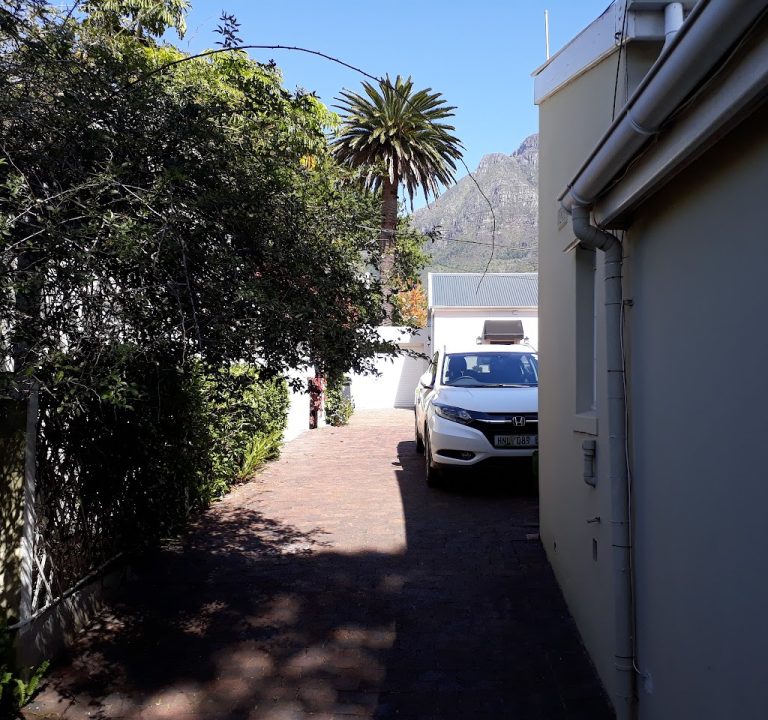
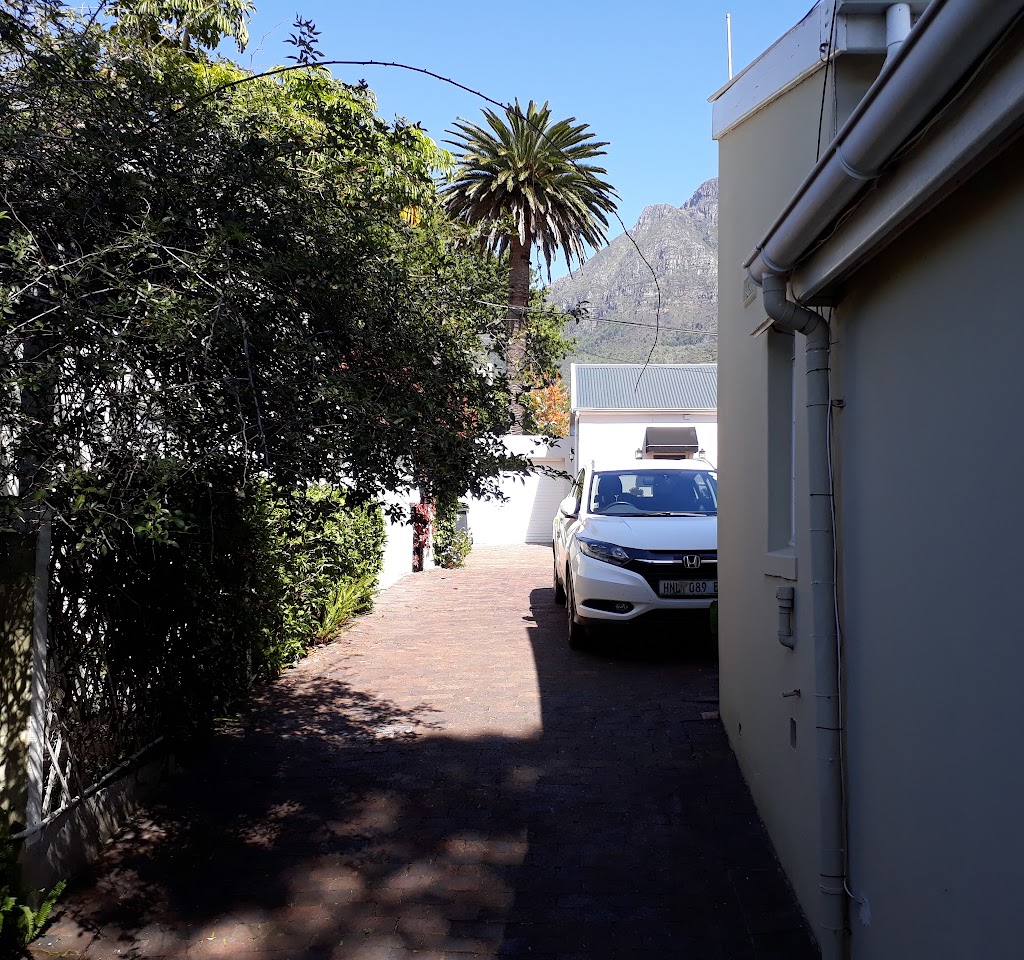
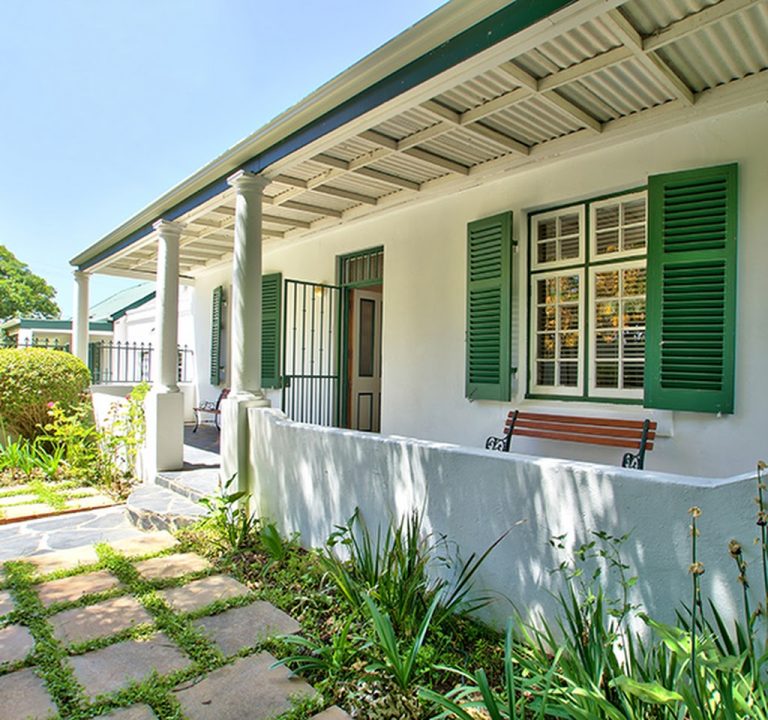
Rondebosch Guest Cottages, a cottage rental option in the Rondebosch area, offers a convenient base for exploring the southern suburbs and the university precinct. The property provides self-contained accommodation suitable for travellers seeking a quieter neighbourhood with easy access to main routes into central Cape Town. For more details, you can visit their website at Westerford Guest Cottages.
To plan ahead, compile a short list of must-do activities, a rough daily route, and a budget range for accommodation and meals. Booking in advance for peak seasons, especially around holidays and major events, helps secure preferred areas and properties with the best match to your travel style. Cape Town rewards thoughtful planning with a balanced mix of nature, culture, and gastronomy, all within a city that is easy to explore on foot, bike, or by a short drive.