Accommodation and attractions in Cape Town: planning your stay at Westerford Cottages and beyond
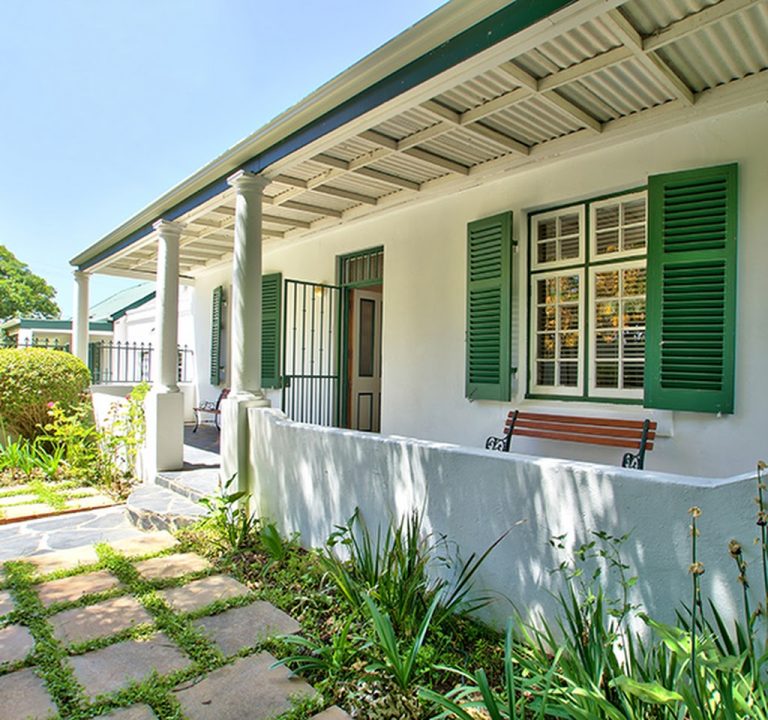
Cape Town, perched between the Atlantic Ocean and table-top beauty, offers a diverse mix of self-catering stays, boutique guesthouses and modern hotels. When planning a visit, consider choosing a neighbourhood that aligns with your pace, interests and transport needs. Self-catering options such as Westerford Cottages provide a flexible base for travellers who enjoy a home-from-home feel, with kitchens, lounges and private entrances that suit families, groups or couples seeking comfort and convenience.
Areas to consider include the Atlantic Seaboard, where white-sand beaches and coastal walks complement stylish eateries and scenic viewpoints. The City Bowl puts you within easy reach of cultural venues, markets and vibrant eateries, while the Southern Suburbs offer easy access to wine routes, verdant gardens and quieter residential streets. Constantia’s green hills and tranquil lanes are ideal for slow mornings with good coffee, while Kalk Bay and the False Bay coast provide a village atmosphere, sea-air walks and seaside dining. Each area has its own rhythm, so think about transport links, how you’ll move around (on foot, by bus, by train or by car) and the kind of activities you want to prioritise.
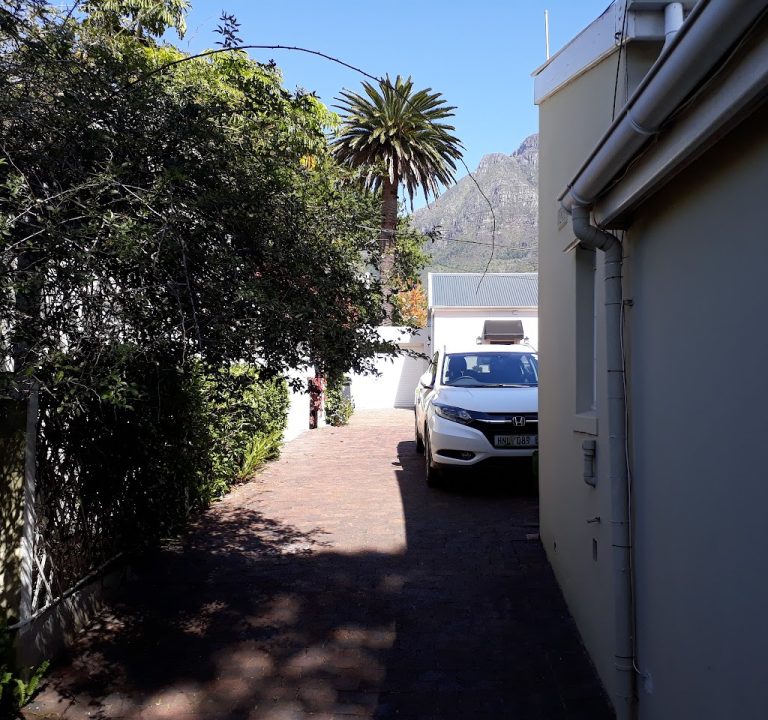
Booking considerations are simple but important. Look for a place that explicitly lists essential amenities—kitchen facilities for self-catering, reliable wi‑fi, heating or air conditioning, and secure parking if you drive. Check how guest access works (private entrances are preferable for privacy), whether the property offers housekeeping or linen changes, and if there are shared spaces such as a garden or barbecue area. For Westerford Cottages, you might expect separate units with self-contained facilities and a contactable host who can offer practical tips for day trips and local markets.
Transport in Cape Town is varied. The MyCiTi bus system offers routes that connect many central sights and suburbs, while the rail network links the city centre with coastal towns and leafy suburbs. If you plan day trips to the Cape Winelands or the Cape Peninsula, a car offers the most flexibility, especially for early starts or quieter backroads. Proximity to supermarkets, coffee shops and bakeries is another practical factor; in self-catering stays, a well-stocked kitchen and easy access to fresh produce can significantly improve your experience.
When to visit Cape Town? The city enjoys a Mediterranean-like climate with dry summers and wet winters. The months from late spring to early autumn (roughly September to May) tend to offer longer days, warmer seas for beach-going, and vibrant outdoor events. Winter can be mild and rainy, but the scenery remains dramatic with misty mountains and lush landscapes. If you are keen on outdoor adventures—hikes on the slopes of Table Mountain, coastal walks, or penguin watching at nearby reserves—plan in the shoulder seasons for milder crowds and pleasant weather.
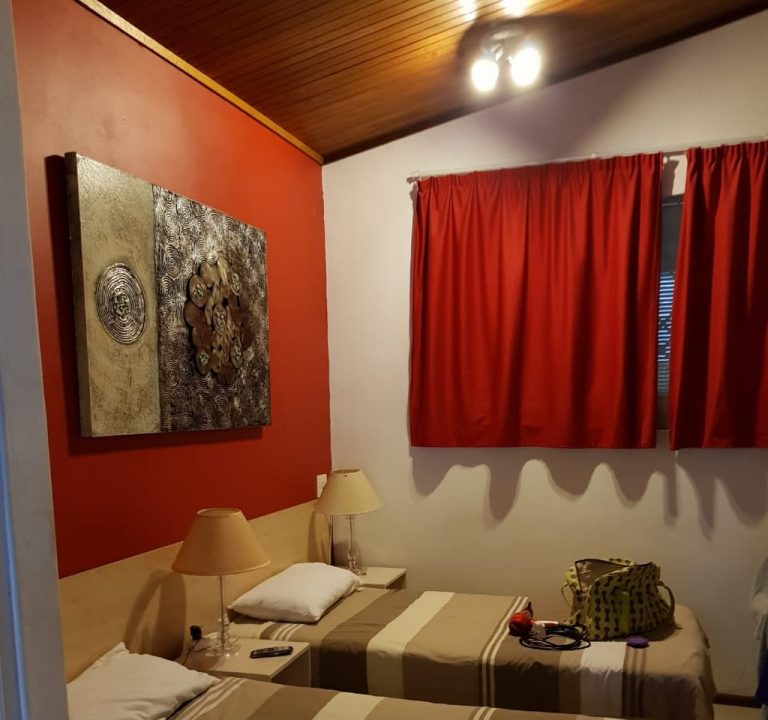
Accommodations such as self-catering cottages, small guesthouses and boutique apartments often specialise in making guests feel at home while providing local flavours. Typical amenities to look for include a well-equipped kitchen or kitchenette, dedicated parking, laundry facilities, comfortable living spaces, and in some cases outdoor areas such as a patio or garden. A heating system or portable heaters is useful for cooler evenings, especially in coastal or mountain-facing properties where temperatures can change quickly. A written guide or welcome note with local tips—where to find the best coffee, reliable supermarkets, and nearby beaches—enhances the stay significantly.
When planning activities, balance iconic experiences with relaxed, less-touristy options. In Cape Town you can still enjoy sweeping harbour views, the famous mountain backdrop and vibrant neighbourhoods. General visitor interests include scenic viewpoints, coastal walks, markets with handmade crafts, and family-friendly museums or galleries. Dining in Cape Town ranges from casual eateries offering regional flavours to more refined restaurants focusing on fresh seafood and locally sourced produce. Rather than chasing specific names or prices, look for places that highlight seasonal menus, generous portions, and a welcoming atmosphere. Many visitors also enjoy day trips to the nearby winelands and outdoor adventures along the peninsula, all accessible via organised tours or thoughtful self-planned itineraries.
For Westerford Cottages and similar self-catering options, practical planning tips can help maximise comfort and value:
- Confirm the exact unit arrangement (private entrance, number of bedrooms, bathroom configuration) and what spaces are shared or private.
- Check kitchen provisions, including cooking equipment, dishes, utensils and cleaning supplies, so you can prepare meals conveniently.
- Assess transport needs: is parking available, and how easy is it to reach major sights by car or public transport?
- Review safety features such as secure entry systems, external lighting, and neighbourhood safety considerations.
- Factor in the local climate: pack layers for cooler evenings and sun protection for daytime sightseeing.
- Plan a balanced itinerary with one or two major sights, plus flexible time for cafes, markets and unplanned discoveries.
- Consider a mix of paid and free activities to manage costs while still enjoying the city’s highlights.
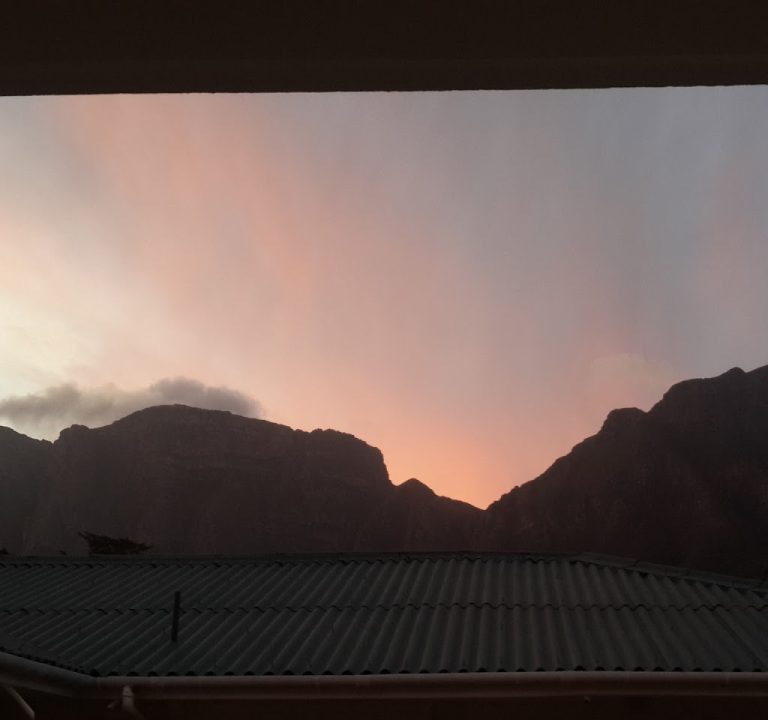
Finally, embrace the rhythm of Cape Town itself: calm mornings with coffee and a short garden stroll, a day of exploration along the coast or in the city, and evenings spent sampling fresh, seasonal meals or simply enjoying a sunset from a balcony or seaside promenade. For more information or self-catering options, many hosts maintain a curated list of local suggestions and links to reputable websites that offer further guidance, maps and travel tips. A well-planned stay base, combined with thoughtful choices about areas to stay and how you move around, can make a Cape Town trip both comfortable and memorable.