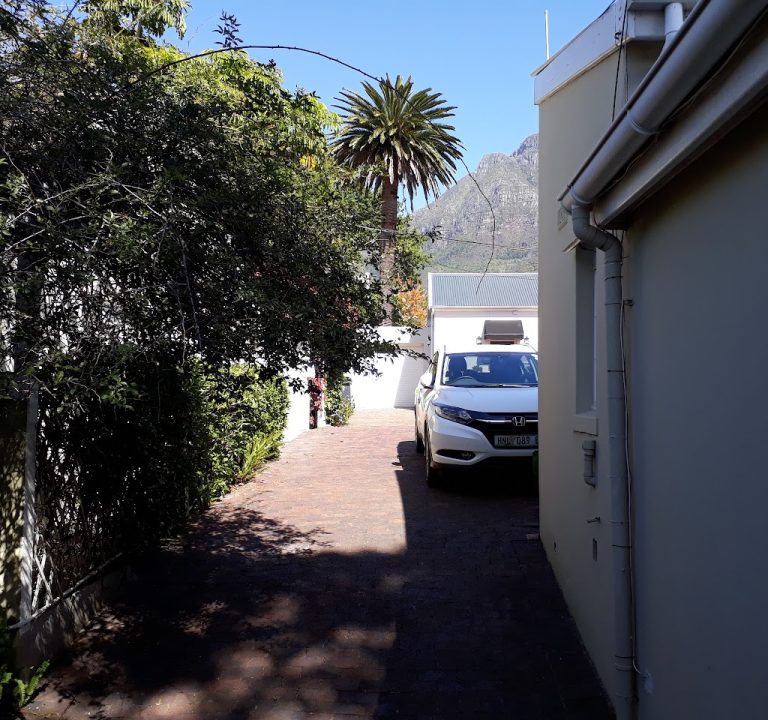
Accommodation in Cape Town: planning a comfortable stay and enjoying the region
Cape Town offers a diverse mix of places to stay, from charming B&Bs in leafy neighbourhoods to stylish lodges perched on the slopes of the surrounding hills. When planning a visit, think about what you want from your base: tranquillity and distance from the city buzz, or easy access to bars and eateries, museums, and daily adventures. A well-chosen stay can shape your entire itinerary, so start by identifying a few preferred areas and then refine your choice according to transport links, amenities, and your pacing for the day ahead.
One of the key considerations is the neighbourhood. The Atlantic Seaboard and Green Point are popular for modern comforts, scenic views, and close proximity to the harbour and the waterfront. City Centre stays are ideal for walkers and explorers who want to be near museums, markets, and the wider culinary scene. For a more intimate experience, coastal villages such as Camps Bay and Clifton offer dramatic scenery and high-end dining, while the southern suburbs often provide a calmer pace with greenery and easy access to wine routes and nature reserves. When booking, note how far your lodging is from routes you expect to use daily—whether it’s Table Mountain Cableway, the V&A Waterfront, or the Constantia Valley wine farms.
Typical amenities that travellers look for in a bed & breakfast or small guesthouse include en-suite bathrooms, reliable Wi‑Fi, air conditioning or a fan for warmer months, and a generous breakfast. Many places in Cape Town go beyond the essentials with terraces or balconies, well-kept gardens, secure parking, and guest kitchens or communal lounges. If you value a personal touch, a B&B owner who can offer local recommendations and customised itineraries can be a real bonus. When perusing options, check the layout: a double room with a private bathroom is common, but suites with additional lounge areas or self-catering facilities can provide extra flexibility for families or longer stays.
Transport is a practical factor to consider. Cape Town has a road network that works well for drivers and taxi or rideshare services are readily available in urban areas. If you plan day trips—such as to the iconic Table Mountain, scenic coastal drives, or the wine valleys—an accommodation with easy access to main routes and safe parking can reduce daily hassle. For travellers who prefer not to drive, look for locations near MyCiTi bus stops or other public transport links, particularly around central Cape Town and the Foreshore. Some guesthouses arrange airport transfers or offer cycling-friendly facilities, which can be a nice bonus if you want a more active holiday.
Best time to visit Cape Town balances weather, crowds, and budget. Spring (September to November) and autumn (March to May) are often ideal, with milder temperatures and fewer peak-season crowds than the summer months. Winter (June to August) brings cooler, wetter weather, which can still be pleasant if you enjoy cosy stays with a fireplace or a warmly rated guesthouse, and it’s a good time to find value. If you’re chasing sea and sun, summer offers long days and swimming opportunities on some beaches, though higher demand can push up prices. Always check seasonal forecasts and be prepared for microclimates—table mountain weather can shift quickly, so pack layers and a light rain jacket regardless of season.
When planning activities, consider a mix of natural and cultural experiences. Iconic views from Table Mountain or Lion’s Head offer memorable panoramas, while the Kirstenbosch National Botanical Garden presents a peaceful day among native flora. The waterfront precinct provides a hub for strolls, markets, museums, and seafood restaurants that emphasise fresh ingredients. For a taste of local life, seek out markets and neighbourhood cafes where regional produce is celebrated—these often reflect the city’s diverse communities and culinary influences without needing to book in advance. If you’re organising a day trip, it’s worth reserving any popular viewpoints or guided experiences ahead of time, especially in peak seasons.
Practical tips to help you book with confidence and enjoy a smooth stay:
- Read recent guest reviews to understand what has improved or changed, particularly around cleanliness, breakfast quality, and responsiveness of the host.
- Clarify what a breakfast entails and whether dietary preferences can be accommodated, especially if you follow vegetarian, halal, or other dietary needs.
- Ask about parking security and access times, particularly if you plan to arrive late or leave early for day trips.
- Check what is included in the rate—some places bundle airport transfers, guided walks, or private tours, which can offer good value.
- Look for a listing that provides clear directions from the airport or major transport hubs, and whether local maps or city guides are supplied.
Finally, a note on reservations and flexibility. The Cape Town hospitality scene is well equipped to handle both short city breaks and longer explorations. If your plans are subject to change, seek hosts offering flexible cancellation policies and clear terms. As you map your days, allow downtime to simply enjoy the setting of your chosen accommodation—whether a sunlit veranda, a garden corner, or a cosy lounge—because a well-rested base makes every excursion more enjoyable. For a complete planning toolkit, consult official tourism resources and trusted travel guides to understand seasonal highlights and practical tips for staying safe and comfortable in this dynamic city.