Planning a Stay in Cape Town: Where to Stay, What to Do, and How to Enjoy the City
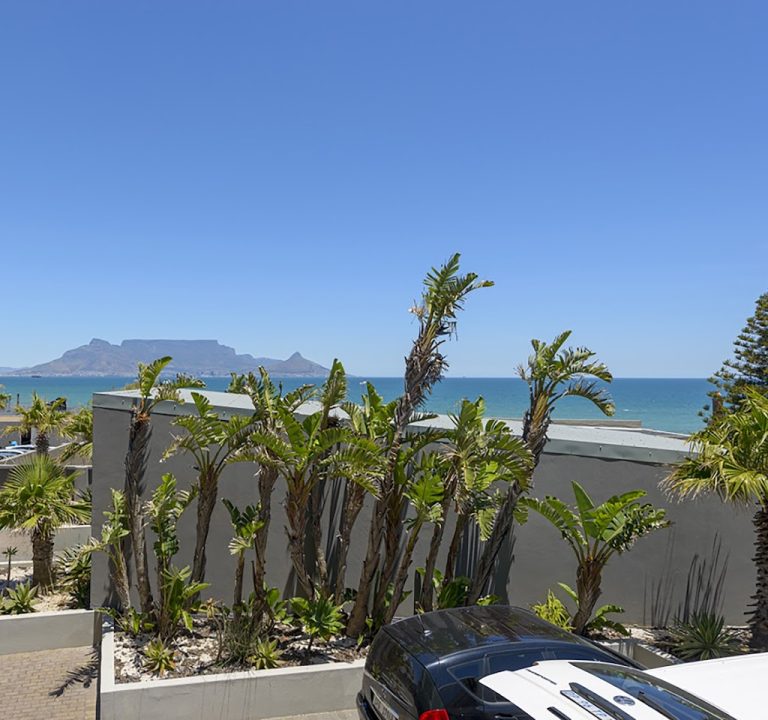
Cape Town is a city of contrasts and colour, where dramatic coastlines meet verdant hills and a skyline of modern hotels sits beside historic neighbourhoods. When planning a stay, think about your priorities: easy access to the waterfront and mountain views, quiet residential streets that feel local, or a lively urban centre with plenty of dining and nightlife. The best approach is to combine a couple of stay areas to balance convenience with character, and to choose accommodation that reflects how you want to spend your days and evenings.
Accommodation in Cape Town ranges from boutique B&Bs to larger hotels, serviced apartments and guesthouses. Typical amenities include free Wi‑Fi, breakfast options, secure parking, and reception staff who can assist with local knowledge and tours. If you’re travelling with family or a small group, consider self-catering or boutique apartments that offer living space and kitchen facilities. For couples seeking a special stay, many hotels and guesthouses in scenic neighbourhoods offer stylish rooms, private balconies or terraces, and thoughtful little touches that capture the spirit of the city.
Areas to consider, depending on your interests and pace of travel:
- V&A Waterfront and the City Centre: close to museums, harbour views, concerts, and a wide range of dining options. Easy access to hop-on-hop-off tours and the MyCiTi bus network.
- Atlantic Seaboard (including Camps Bay and Clifton): beaches, sunset views, and a relaxed, chic vibe. Great if you plan long beach days and cliff-top walks.
- Cape Town City Bowl and Green Point: a central hub with easy access to hillside walks, markets, and a broad choice of eateries. Good for walking and nightlife.
- Constantia and the Southern Suburbs: wine estates, peacful gardens, and longer day trips to the winelands and coastal viewpoints.
- Bo-Kaap and the historic heart: atmospheric streets, culture, and local cuisine on foot, with convenient access to museums and viewpoints.
Booking tips to help you get the most from your stay:
- Location matters: balance distance to major sights with travel time. A well-connected base can save you hours each day.
- Room layout and light: many rooms in Cape Town are compact but well designed. Look for good natural light, separate living space if possible, and air conditioning or heating for seasonal comfort.
- Privacy and noise: if you plan early mornings or late nights, choose a property with soundproofing or a quieter street position.
- Accessibility: if you have mobility considerations, check entrance ramps, elevator access, and the proximity of amenities to rooms or dining areas.
- Local knowledge: a property with a knowledgeable host or concierge can unlock tailored recommendations for beaches, hikes, markets, and family-friendly activities.
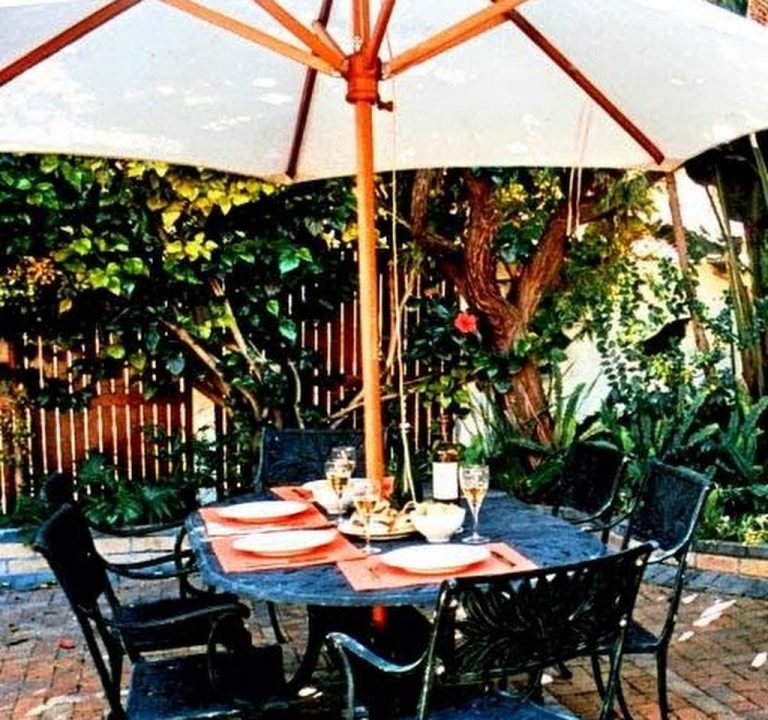
Typical amenities you might expect include free Wi‑Fi, tea and coffee facilities, comfortable bedding, and daily housekeeping. Some properties offer spa services, swimming pools, or contained courtyards and terraces. For those planning longer stays, kitchen facilities or access to communal lounges can be particularly useful. If you’re visiting during peak travel periods, it’s wise to book on a flexible rate or with a cancellation policy that suits your plans.
Getting around Cape Town is part of the experience. The MyCiTi bus network covers key routes across the city and suburbs, offering a cost-effective way to reach major sights from most central hotels. For more flexibility, rental cars are popular, especially for day trips to Hermanus, the Cape Peninsula, and the wine regions. Uber and other ridesharing services operate in Cape Town, often providing convenient and safe options late at night. It’s worth noting that some routes and parking in popular areas can be busy in peak season, so planning a morning start or mid‑afternoon escape can help you avoid delays.
The best time to visit Cape Town depends on what you want to do. Summers (December to February) bring warm, dry weather ideal for beaches and outdoor activities, though popular spots can be busy. Autumn (March to May) offers mild days and fewer crowds, with excellent conditions for hiking and city exploring. Winter (June to August) brings cooler and wetter weather, but also dramatic skies and good value accommodation, with fewer crowds at major sites. Spring (September to November) is a transitional period with blossoming gardens and pleasant coastal days. Pack layers, a light rain jacket, and sturdy walking shoes for hillside paths and coastal trails.
Top experiences to consider during your stay, without tying you to specific tours or prices, include a ride up Table Mountain or a cable car visit if weather permits, a wander through historic neighbourhoods to admire colourful facades, and a day spent exploring markets for local crafts, coffee, and bite-sized snacks. On the coast, you can combine a scenic drive along the Atlantic coastline with stops for lookouts and short hikes. For those who enjoy food and drink, Cape Town offers a vibrant scene of casual bistros, modern eateries, and traditional South African favourites; rather than fixed names, look for places with friendly service, good reviews, and an emphasis on fresh, seasonal ingredients.
For planning and inspiration, reputable sources such as official tourism sites and city guides can help you assemble a flexible itinerary. If you’re looking to tailor your stay, consider giving yourself a couple of anchor experiences—one nature or outdoor day, one cultural or historic day, and one day for tasting and discovering local dining—then fill in with neighbourhood strolls and relaxed beach time. Cape Town rewards thoughtful planning with a balance of memorable landscapes, warm hospitality, and the chance to discover everyday moments that make a visit special.