Accommodation and Attractions: Planning a Stay in Cape Town, Western Cape
Cape Town blends dramatic scenery with a vibrant urban edge, making it a versatile destination for a relaxed beach-break, a cultural city break, or a base for day trips along the Cape Peninsula. When selecting accommodation, consider both your preferred neighbourhoods and how you like to balance downtime with exploration. Self-catering options, boutique guesthouses, and family-friendly lodges offer a range of atmospheres, from contemporary studios to cosy, homely cottages with kitchen facilities.
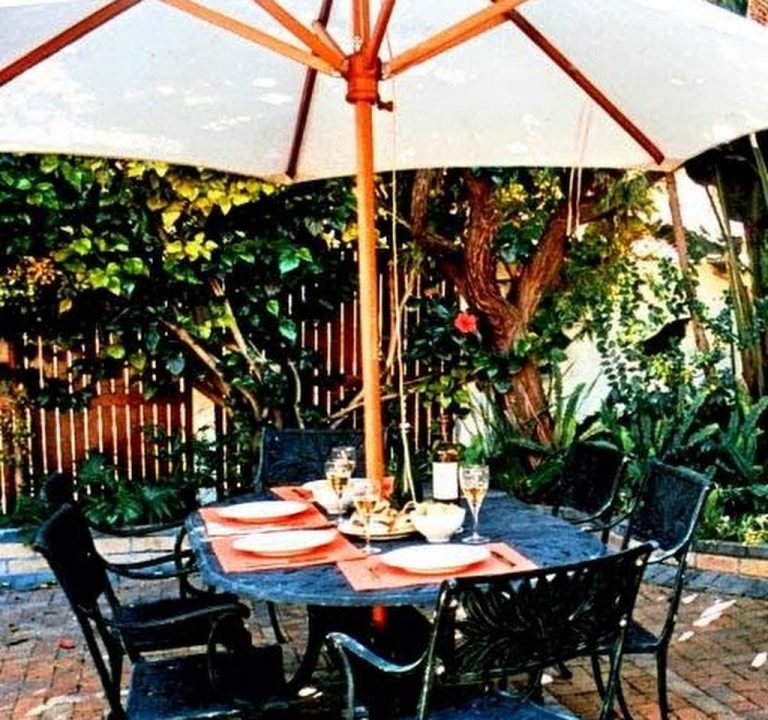
For visitors seeking a self-catering experience, Blouberg Bliss Cottage offers a practical option with an emphasis on flexibility and comfort. The property provides self-contained living spaces, allowing guests to set their own pace, prepare meals, and plan activities around their schedule. It is worth checking the latest details on the property’s official site to confirm facilities, access, and any seasonal considerations. This kind of accommodation is especially convenient for groups, families, or travellers who enjoy spontaneous dining and the freedom to divide days between a scenic beach, a harbour wander, and mountain outings.
Key neighbourhoods to consider include:
- City Bowl and the centre of Cape Town for easy access to museums, markets, and dining; a good base for those who prefer walking or short rides to major sights.
- Waterfront and Green Point for harbour views, cultural venues, and a connected feel with plenty of dining and entertainment options.
- Kirstenbosch and Constantia for a leafy, scenic escape with easy access to vineyards and outdoor trails.
- Camps Bay and the Atlantic Seaboard for beach lodging and sunset scenery, best suited to marginally longer drives to the city’s central sights.
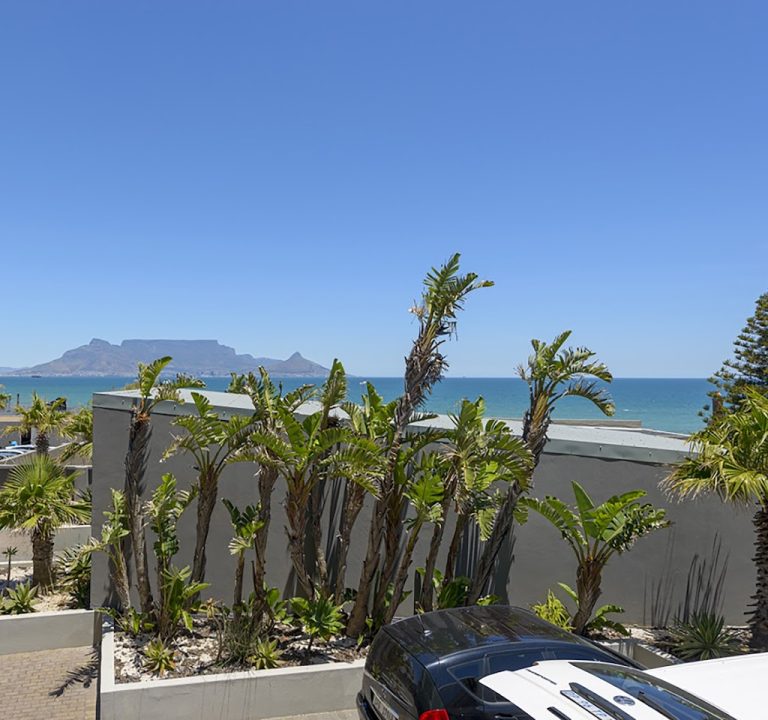
- Bloubergstrand for striking beach photography and convenient access to wind-sports and maritime scenery, with a more relaxed pace.
When booking, look for these amenities and features that typically enhance a stay in Cape Town:
- Reliable Wi‑Fi and workspace if you plan to combine travel with occasional remote work.
- Well-equipped kitchens or kitchenettes, including a fridge, stove, and basic utensils, especially for self-catering stays.
- Parking options, either on-site or secure off-street, given that some central areas can be busy and car hire is common for day trips.
- Clear access to transport links, such as proximity to MyCiTi bus stops, train stations, or easy rideshare access.
- Safety features and well-lit surroundings, particularly if you anticipate evening outings.
- Outdoor or balcony spaces to enjoy Cape Town’s weather and sea breezes.
Transport in Cape Town is a mix of car hire, guided tours, and public options. If you plan to explore beyond the immediate city sights, a hire car offers freedom to visit Cape Point, the penguin colonies at Boulders Beach, the scenic Chapman’s Peak Drive, and more remote beaches. For those who prefer not to drive, joinable day tours and convenient hop-on services can cover the major sights with the added benefit of local commentary. Within the city, Uber and other ride-hailing apps are widely used, while public transport lines connect popular districts. Consider a short stay near a central hub to minimise daily transit time and maximise time for sightseeing and meals.
The best time to visit Cape Town depends on what you want from your trip. Summers (December to February) bring long days, warm seas, and busy beaches, ideal for outdoor activities and coastal photography. Autumn (March to May) offers milder weather and thinner crowds, great for hiking in the winelands and exploring outdoor markets. Winter (June to August) is cooler and wetter, yet still pleasant for city museums, culinary experiences, and fewer queues at top attractions. Spring (September to November) delivers spring flowers, fresh air, and a balance of outdoor and indoor activities. Pack for a range of conditions, and be prepared for microclimates—south-easterly winds can influence beach conditions and mountain views on any given day.
When planning an itinerary, a mix of landmark sights and neighbourhood discoveries works well. In broad terms, you can structure a stay around a few core activities and leave space for spontaneous discoveries:
- Morning ascents of Table Mountain or a cable-car alternative, followed by a late breakfast in a nearby neighbourhood.
- Harbour walks, markets, and guided cultural experiences in the V&A Waterfront area.
- Coastal drives along the Atlantic Seaboard to enjoy beaches, viewpoints, and seaside eateries.
- Wine-tasting day trips from the Constantia or Franschhoek regions, with a relaxed lunch in scenic surroundings.
- Nature reserves, botanical gardens, and coastal hikes for varied scenery and quiet moments.
For dining, Cape Town offers a spectrum of options from casual bistros to refined eateries with global influences. In central districts and near the Waterfront, you’ll find places that emphasise fresh seafood, South African classics, and contemporary menus designed to showcase local produce. It’s common to encounter menus that focus on seasonal ingredients and shared plates, with many venues offering outdoor seating to make the most of the city’s pleasant evenings.
Practical tips for a smooth stay: book well in advance for peak travel periods, verify cancellation policies, and confirm access to self-catering facilities if applicable. Keep a light daily itinerary so you can adapt to weather or a spontaneous coastal drive. Finally, enjoy Cape Town’s hospitality by balancing planned experiences with restful moments in your accommodation, whether it’s a city-centre apartment, a cosy guesthouse, or a self-contained cottage like Blouberg Bliss Cottage. For more information and ideas, visit the property page at Blouberg Bliss Cottage and explore other Cape Town options that suit your travel style and budget.