Where to stay in Cape Town and how to plan a memorable visit
Cape Town offers a diverse tapestry of neighbourhoods, scenery and experiences that make it possible to tailor a stay to almost any travel style. From stylish guest houses perched near the Atlantic coast to modern hotels in the city centre and characterful lodges a short drive away, planning your accommodation around what you want to do helps you maximise time and minimise commute. When choosing somewhere to stay, consider access to transport, proximity to your preferred sights, and the character of the surrounding area.
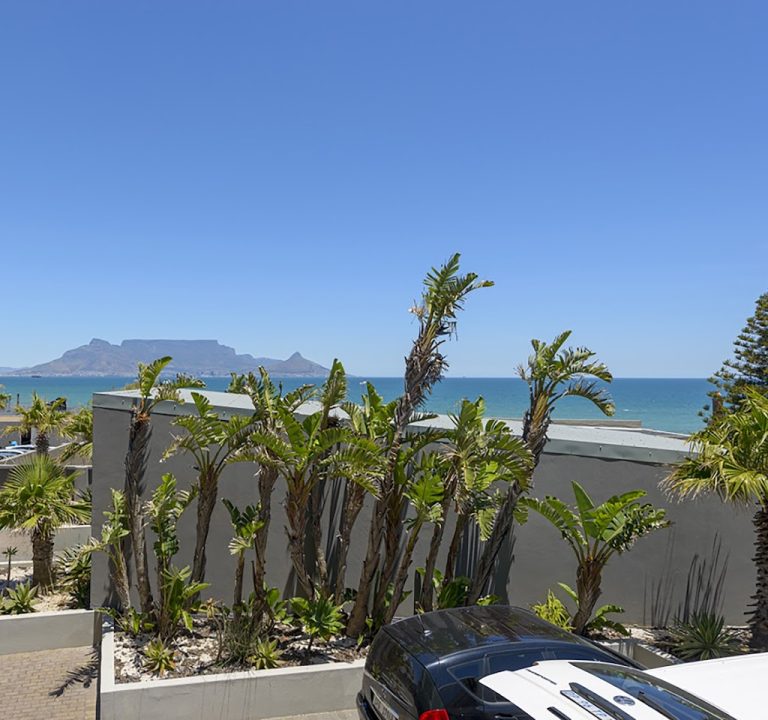
Popular areas to consider include the City Bowl for central convenience and easy access to museums, markets and cafés; the Atlantic Seaboard, including Camps Bay and Clifton, for dramatic ocean panoramas and a beachside ambience; Green Point and the V&A Waterfront for harbour views and easy trips to Robben Island or the harbour cruise routes; and the Constantia Valley for a wine-and-country atmosphere with leafy surroundings and quieter evenings. Noordhoek and Hout Bay offer a more relaxed village feel with access to coastal paths and outdoor activities. If you’re visiting with a focus on fashion, dining and nightlife, the inner city or Sea Point provide a good balance of options within a short walk or taxi ride of your base.
When booking, look for a few practical hallmarks. A well-run guest house or boutique hotel should clearly state what is included (free Wi‑Fi, breakfast, parking or secure access), offer photos that honestly reflect the space, and provide transparent cancellation policies. If you plan to drive, confirm on-site parking or convenient nearby options; if you prefer not to hire a car, choose locations close to MyCiTi bus routes or MetroRail stations, with easy access to hop-on hop-off tours or guided walks. Check for features that suit your needs, such as en-suite bathrooms, air conditioning for the Cape warmth, an outdoor sitting area or garden, and a guest-stair or lift if required for mobility considerations.
Typical amenities you may encounter include a hearty continental or full cooked breakfast, communal lounges or dining rooms, well-equipped kitchens or tea-and-coffee facilities in rooms, and comfortable outdoor spaces for sunset contemplation. In more intimate guest houses, expect personalised service, local insights, and a sense of being treated like a guest in a home rather than a hotel guest. If you’re celebrating a special occasion, some properties can arrange flowers, a private dining option, or recommendations for a scenic excursion in advance, subject to availability.
Transport planning is worth some forethought. If you’re staying near the Atlantic coast, you’ll find many places walkable to cafés and beaches, but during peak season traffic can be heavy and parking scarce in popular areas. Booking a place with secure parking or proximity to a reliable taxi or ride-hailing option helps. For longer trips to the Constantia wine routes or the Cape Peninsula’s dramatic coastal roads, a car provides flexibility, though guided tours or day trips with pickup from your accommodation are a convenient alternative if you prefer not to drive.
Best time to visit Cape Town depends on your preferences. The summer months (November to February) bring longer days and warm seas, ideal for beaches and outdoor activities like Table Mountain hikes, coastal walks and outdoor markets. Autumn (March to May) can be shoulder-season with calmer crowds, while spring (August to October) brings wildflowers in the winelands and generally milder weather. Winter (June to August) is cooler and wetter, yet still offers cultural events, fewer crowds, and the opportunity to enjoy indoor attractions, markets and excellent dining experiences. Always consider sea conditions and wind when planning a day on the water or a coastal drive, especially along the Atlantic Seaboard and Cape Point routes.
Visitors should combine natural beauty with cultural and culinary experiences. Iconic natural attractions include Table Mountain, with options ranging from the Platteklip Gorge hike to cable-car rides, and the Cape Point reserve with its dramatic headlands. Robben Island carries historical significance and guided tours, often arranged through your accommodation or city tour operators. Kirstenbosch National Botanical Garden showcases endemic flora against Table Mountain’s backdrop, while the Constantia wine route offers peaceful vineyard visits and cellar doors. For a taste of city life, explore markets, cafés and the vibrant inner-city dining scene, where you can sample diverse cuisines and fresh local produce. Restaurants in Cape Town commonly emphasise seasonal produce, seafood and cosmopolitan flavours, so you’ll find a wide spectrum from casual bistros to fine-dining experiences.
For accommodation that embodies Cape Town’s hospitality, consider a guest house with a strong local ethos and useful guest services. A well-run property often provides a personal touch—such as curated local tips, help with planning day trips, and efficient housekeeping—that can greatly enhance your stay. An example of a guest house with a welcoming footprint and a clear online presence is a property like Wailako Guest House, which maintains a dedicated website to showcase amenities and room options. Visiting the property’s site can help you picture the atmosphere and verify practical details before booking. You can learn more at the official site: Wailako Guest House.
In planning your stay, it’s worth keeping a short checklist handy:
- Nearby sights and how you plan to get there (walkable vs transport needed)
- Included meals and any kitchen facilities if you prefer self-catering
- Parking availability and security
- Bed configuration and en-suite facilities
- Access to outdoor spaces or lounge areas for downtime between activities
- Cancellation policy and payment terms
With thoughtful preparation, your Cape Town stay can blend easy access to world-class scenery with the warmth of South African hospitality. Start by choosing a base that matches your rhythm—whether it’s the mountain-to-sea panorama of the Atlantic Seaboard, the urban convenience of the City Bowl, or the tranquil wine-country atmosphere of Constantia—and weave in a mix of natural splendour, cultural experiences and memorable meals. Cape Town welcomes visitors with its own distinctive pace, where every day can offer a new angle on its storied landscape.