Exploring Cape Town: Where to stay, what to do, and how to plan your visit
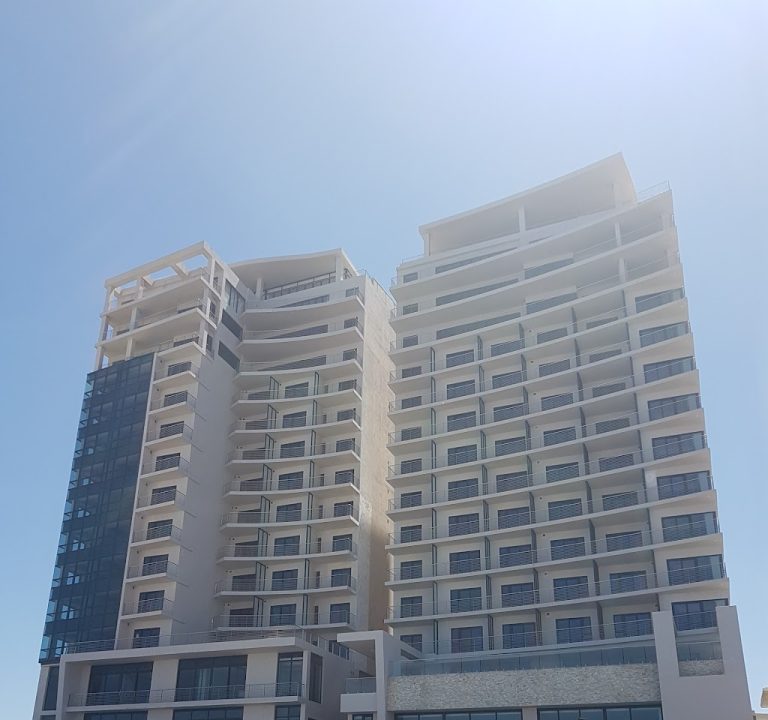
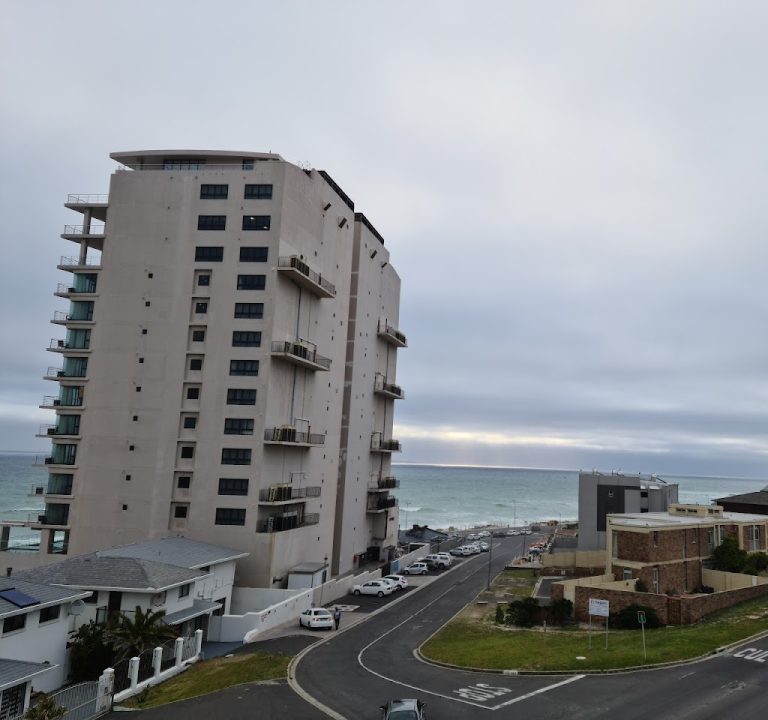
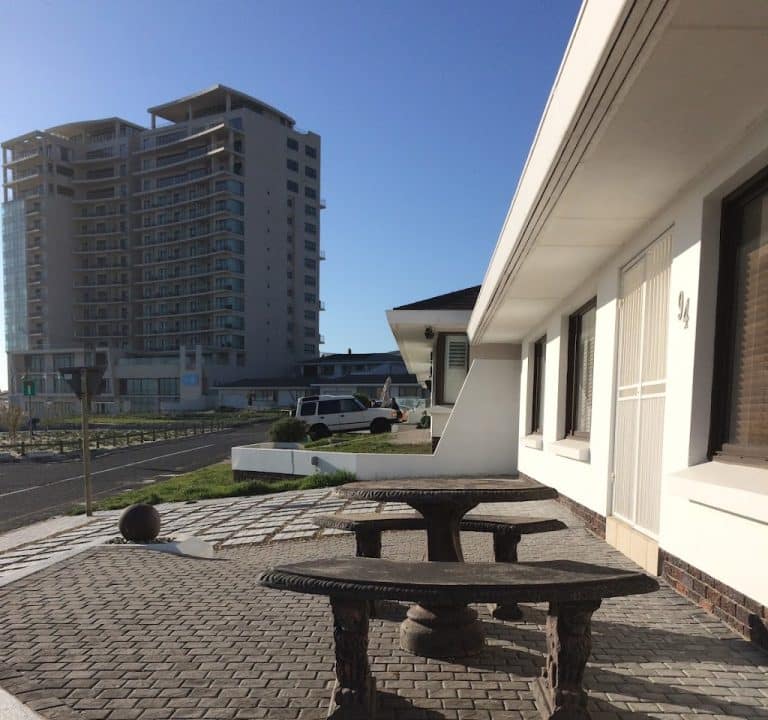
Cape Town, set between the Atlantic Ocean and the Table Mountain massif, offers a diverse mix of self-catering stays, guesthouses, boutique hotels and lodges. For a trip centred on ocean vistas, mountain walks, and vibrant urban culture, consider a stay in a neighbourhood that suits your pace. Ocean Sunset, a self-catering option, illustrates how a well-located apartment can combine space, convenience and easy access to Cape Town’s attractions. When choosing accommodation, think about how you want to spend your days and which neighbourhoods will put you closest to your interests.
Areas to consider include:
- City Centre and De Waterkant / the Business District for a foodie and cultural buzz, with easy access to museums, markets and scenic viewpoints. This is ideal if you prefer compact, well-connected stays and a lively atmosphere in the evenings.
- V&A Waterfront and Granger Bay for harbour views, convenient access to ferries and well‑established restaurants. Accommodation here often features modern comforts and secure parking.
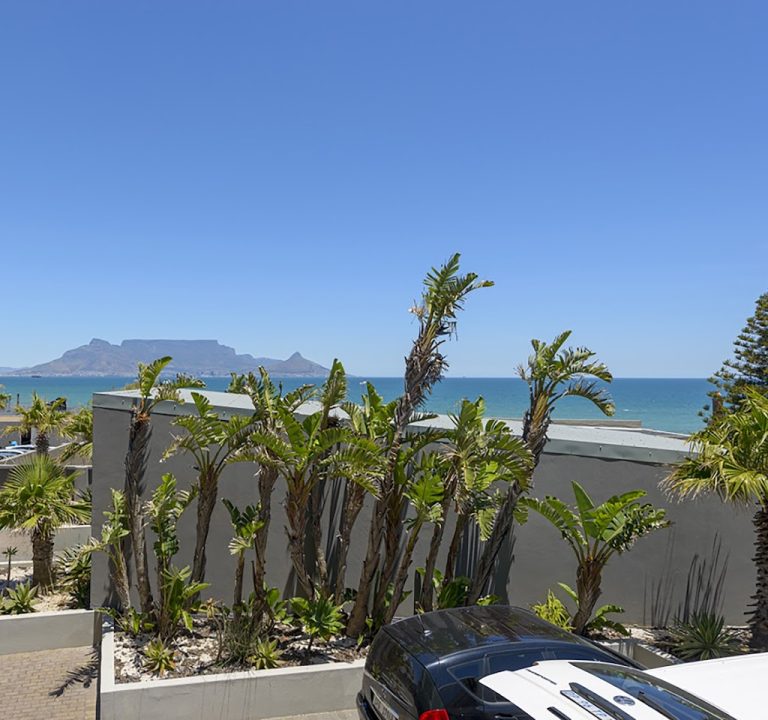
- Sea Point and the Atlantic Seaboard for a long promenade, oceanfront walks and quick access to Camps Bay’s famed sunsets. This area suits guests looking for a relaxed, scenic base with plenty of outdoor options.
- Constantia and the Constantia Valley for a quieter, greener stay near wine estates, with a rural feel just a short drive from the city centre.
- Woodstock and Observatory for a creative, up-and-coming vibe with independent cafés and easy access to public transport and artisanal dining.
When booking, look for a few practical features to ensure a smooth stay. A well-equipped kitchen or kitchenette is essential for self-catering guests, along with reliable Wi‑Fi, heating or cooling options, and secure, convenient parking. For families or groups, a living area with space to gather, plus separate bedrooms, can make a big difference. If you prefer a hotel‑like experience, check whether the property offers daily housekeeping, on-site reception, and flexible check-in times. Accessibility is also worth considering, especially if you plan to explore Table Mountain’s trails or the Kirstenbosch Botanical Garden.
Transport in Cape Town is relatively straightforward, though it helps to assess your stay in relation to your planned outings. The MyCiTi bus network provides frequent urban routes, including connections to the city centre and Table Mountain’s Lower Cable Station area. Rideshares and reliable taxi services are widely available, and hiring a car offers maximum freedom for visits to the Cape Winelands or coastal drives. If you intend to explore beyond the city, confirm that parking is available at your accommodation and that local streets are safe to walk after dark.
Best time to visit Cape Town depends on what you want from the trip. Late spring (September to November) brings blooming fynbos and milder temperatures, while autumn (March to May) offers comfortable days for outdoor activities. The summer peak (December to February) can be lively, with long days on the beaches and busy markets, but it also means higher prices and more crowds. If you’re keen on whale watching, the months from August to November offer good opportunities along the False Bay coastline. For those chasing cooler evenings and fewer crowds, shoulder seasons can be ideal for city sightseeing and coastal walks.
Expect a mix of attractions and experiences that suit most visitors without needing a strict plan. Iconic viewpoints atop Table Mountain or Lions Head reward those willing to hike or take the cableway, while the Cape Peninsula drive offers breathtaking coastal scenery and stops at charming villages. Museums, galleries, and markets in the city provide a taste of Cape Malay culture, contemporary art, and craft. In terms of dining, Cape Town’s restaurant scene ranges from casual harbour-side meals to refined, locally sourced menus. Many areas offer lively street-food hubs and cafés where you can sample the city’s multicultural flavours without committing to formal reservations.
Practical tips to help you enjoy your stay:
- Pack layers; coastal breezes can be cooler than they appear, especially near the water and at higher elevations.
- Bring a reusable water bottle and sun protection for outdoor days, particularly around the Peninsula and Table Mountain routes.
- Check safety tips for walking at night in city pockets and stick to well‑lit areas and reputable routes back to your lodging.
- Plan your coastal drives for morning light to avoid the strongest afternoon glare on sea-facing roads.
- Look for flexible booking options that allow for changes in plans, especially if you are visiting during peak times or in unpredictable weather.
In planning your itinerary, balance time between natural beauty and urban exploration. A stay centred around Ocean Sunset or a similar self-catering option can provide a comfortable home base after days spent hiking, beachcombing, or wandering markets. Pair your nights with strolls along the promenade, a sunset view over the Atlantic, and dinner at venues that celebrate South Africa’s diverse culinary heritage. Cape Town is a city of contrasts, where memorable experiences can be woven into every day of your visit, with accommodation that supports a relaxed, flexible, and enjoyable stay. For practical planning and inspiration, official tourism resources offer current information on attractions, events, and routes to help tailor your trip to your interests.