Cape Town Accommodation and Getting the Most of Your Visit
Cape Town offers a rich tapestry of places to stay, from stylish city-centre stays to sunlit seaside apartments along the Atlantic Seaboard. When planning a stay, think about what you want from your visit: easy access to iconic sights, a beachside ambience, or a peaceful hillside retreat with vineyard views. The city’s neighbourhoods each have their own rhythm, so choosing the right base can shape your experience, your pace, and your evenings.
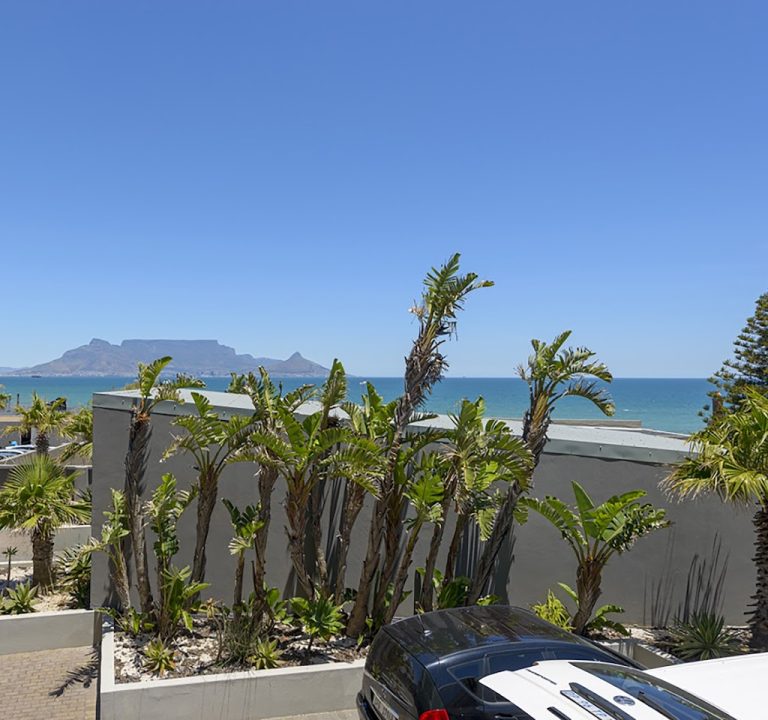
For a stay with water, views and proximity to beaches, consider the Atlantic Seaboard and nearby suburbs. Camps Bay and Clifton offer glamorous coastal vibes, while Bloubergstrand provides spectacular views of Table Mountain across the bay and a calmer beach atmosphere. If you prefer a city-slicker vibe with easy access to museums, markets, and nightlife, the City Bowl and central Cape Town areas are ideal. Constantia and Bishopscourt offer a leafy escape with easy access to wine routes and kloof walks, while nearby towns such as Hout Bay and Kalk Bay add harbour charm and seafood restaurants.
Accommodation types range from self-catering apartments and guesthouses to boutique hotels and larger lodges. Self-catering options are popular with families and groups who want space and flexibility, and the Heaven on Earth: Blouberg Beachfront Self-catering Apartment is an example of this style, providing a convenient base with a coastal outlook. When booking, look for features that suit your itinerary: a well-equipped kitchen or kitchenette, reliable Wi-Fi, laundry facilities, parking, and a comfortable living area for downtime after long days of sightseeing. For families or groups, multiple bedrooms and private entrances can add value and privacy.
Key considerations when choosing where to stay include transport links and self-navigation needs. The MyCiTi bus network can connect you to major sights and the city centre, with routes extending to Atlantic Seaboard and other suburbs. If you plan to explore beyond central Cape Town or to visit the winelands, a car can offer flexibility, though some areas like Camps Bay can feel busy in peak season and parking may be limited. Several properties provide secure parking or easy access to parking facilities, which can be a practical perk when you are driving.
Amenities to look for in a confident booking include security features, nowadays a standard consideration in many urban stays; air conditioning or heating to cope with Cape Town’s microclimates; and a well-equipped kitchen with comfortable cookware if you intend to cook. A thoughtful touch is a well-stocked information folder or host communication that helps you map local public transport, hotspots, and dining options. For breakfast-focused stays or boutique hotels, a continental or hot breakfast can save time in busy mornings, while a self-catering apartment will typically offer more independence and flexibility.
Best time to visit Cape Town depends on climate and what you want to do. October to March offers warmer weather and longer days for outdoor activities such as beaches, coastal walks, and sunsets over the Atlantic. Winter months (June to August) are cooler and can be windy, but they also bring the opportunity to enjoy indoor attractions and nearby wine regions with fewer crowds. Shoulder seasons—the transitional periods in spring and autumn—often present pleasant weather and manageable visitor numbers.
Within a stay, plan a balanced mix of attractions, meals, and downtime. Highlights in and around Cape Town span world-class viewpoints, celebrated natural scenery, and diverse dining experiences. You can structure days to begin with an early harbour or hillside walk, followed by a museum or gallery visit, and finish with a sunset meal at a front-row restaurant or a relaxed café on a promenade. Practical day trips include access to the surrounding winelands, nearby marine reserves, and scenic coastal drives. When booking restaurants or experiences, it is wise to check for seasonal menus and availability, particularly during peak travel periods.
To help you plan, here is a compact checklist:
- Choose a neighbourhood based on the blend of access to sights, beaches, and dining.
- Confirm transport options and parking facilities.
- Verify essential amenities: kitchen, laundry, Wi-Fi, and security arrangements.
- Consider how much time you want for beaches versus city sightseeing.
- Check cancellation policies and any minimum-stay requirements.
If you want to browse accommodation while keeping a focus on value and convenience, explore options that are clearly self-contained or offer flexible cancellation terms. For example, you can find self-catering apartments that combine privacy with the convenience of a central location. More information about specific properties and availability can be found through trusted booking platforms, including dedicated listings for Cape Town stays such as the Heaven on Earth option noted above.
For those who enjoy combining a beach holiday with urban exploration, Cape Town delivers a seamless blend of both. A well-planned stay lets you unpack once and explore by foot, taxi, rideshare, or public transit, with the option to slip away to quieter backstreets or wine country as your mood dictates. For more inspiration on where to stay and how to structure your days, you can visit property listings and itineraries online at your convenience: https://book.nightsbridge.com/24495
In sum, Cape Town rewards careful planning with a satisfying mix of scenery, culture, and culinary delights. By selecting a neighbourhood to suit your pace, prioritising practical amenities and transport, and bearing in mind the best travel periods, you can craft a memorable visit that feels both easy and rewarding.