Staying in Cape Town: where to stay, how to plan, and what to do
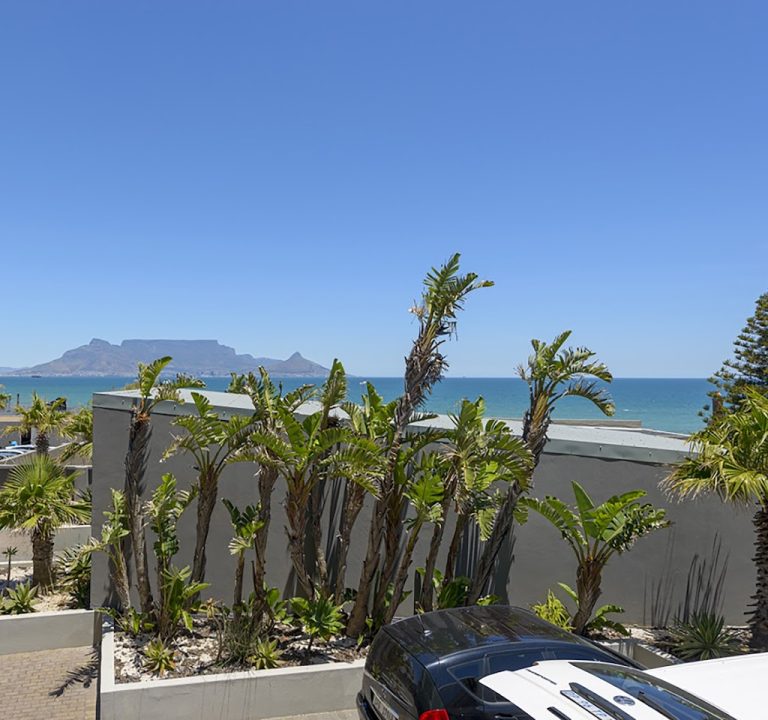
Cape Town, one of South Africa’s most storied cities, offers a diverse range of accommodation to suit every travel style. Whether you favour a cosmopolitan stay on the Atlantic Seaboard, a cosy guesthouse in bohemian neighbourhoods, or a vineyard retreat just outside the city centre, you’ll find options that combine comfort with easy access to world‑class experiences. Infinity Lg8, for example, sits within a context of vibrant neighbourhoods and coastal scenery that make planning a stay both practical and uplifting.
When choosing where to stay, consider what kind of holiday you want. If you crave harbour views and quick access to nightlife and museums, the areas around the V&A Waterfront and the city centre offer compact, walkable layouts with a range of boutique hotels, guesthouses, and serviced apartments. For traditional African and coloured‑culture neighbourhoods, areas such as Bo-Kaap and the nearby districts provide characterful stays with easy routes to markets and cafés. If coastal scenery and outdoor pursuits appeal, the Atlantic Seaboard—including neighbourhoods such as Camps Bay and Clifton—delivers dramatic sunsets, while Constantia or neighbourhoods bordering the mountain preserve provide leafy tranquillity and easy access to wine farms. For a more laid‑back, artsy scene, look to Woodstock or the southern suburbs, where smaller guesthouses and boutique hotels often blend into vibrant, creative communities.
What to look for when booking
- Proximity to your planned activities: decide whether you want to be near mountains, beaches, or city streets.
- Access to transport: assess whether the property offers parking if you plan to hire a car, and how easy it is to reach MyCiTi buses or rail links for longer trips.
- Room configuration and light: Cape Town’s climate benefits from good air circulation but evenings can be cooler, so consider rooms with reliable heating or cooling and pleasant common spaces.
- Safety and access: seek well‑lit entrances, secure access, and a knowledgeable host or front desk team who can offer local advice.
- Amenities that support your plans: look for laundry facilities, a kitchen or kitchenette if you prefer self‑catering, and reliable Wi‑Fi for planning days on the go.
- Flexible policies: during peak seasons, guests appreciate clear cancellation terms and the ability to adjust plans if weather or other factors influence plans.
Typical amenities you might find
- Complimentary breakfast or self‑catering options
- Free Wi‑Fi and workspace areas
- Secure parking or easy public transport access
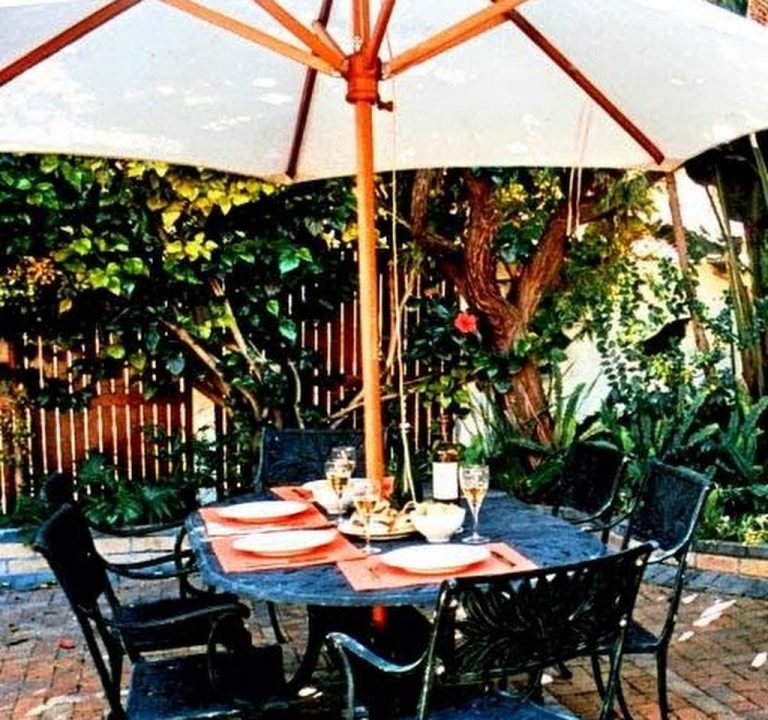
- Outdoor spaces such as terraces or gardens for enjoying the city’s climate
- Swimming pool or garden courtyards
- On‑site eateries or convenient kitchen facilities
Transport and practicalities
Getting around Cape Town is straightforward but the best option depends on your plans. If you intend to explore the city and its surrounds extensively, a car gives you maximum flexibility, but many areas are well served by the city’s bus networks and ride‑hailing services. For day trips to the Cape Winelands, a guided tour or private driver can simplify logistics and enhance safety. Within the city, prioritise areas with easy access to car parks or reliable public transport links, and be mindful of peak traffic times—especially in the CBD and around popular beaches during holidays.
Best time to visit
Cape Town has a temperate climate with distinct seasons. The spring and autumn shoulder seasons (roughly September to November and March to May) are ideal for those who want mild weather, blooming landscapes, and thinner crowds. Summer (December to February) brings long days and beach culture, while winter (June to August) can be cooler and windier, yet it still offers clear skies and fewer crowds for city sightseeing and wine country escapes. Consider your tolerance for crowds and your preference for outdoor activities like hiking and coastal excursions when planning your dates.
Planning your days: what to do and where to eat
Cape Town’s attractions are varied and often best enjoyed with a relaxed pace. Iconic viewpoints, hiking routes on Table Mountain, coastal walks along the Atlantic coast, and cultural experiences in historic neighbourhoods top most visitors’ lists. Dining tends to follow the city’s vast culinary scene: expect a mix of modern, farm‑to‑table cuisine, seafood with oceanfront views, and casual eateries serving regional favourites. When selecting restaurants, look for places with good local sourcing, seasonal menus, and clear dietary options. It’s common to find vibrant cafés and bistros that suit both a quick lunch between activities and a leisurely dinner with a view.
Practical tips for a smooth stay
- Plan daylight routes to enjoy views and minimise travel time between sights.
- Pack layers; Cape Town’s conditions can shift quickly with sea breezes and mountain microclimates.
- Ensure you have a plan for safety and personal belongings, especially in busy urban areas and at night.
- Check local public holiday calendars, as some attractions may have altered hours or closures.
- Bring adaptors for South African outlets and understand electricity is 230 volts with type M plugs.
- Respect local guidelines and cultural norms, especially in historic districts and when visiting markets or townships.
In sum, Cape Town rewards thoughtful planning: pick a base that matches your interests, choose accommodation with practical amenities, and map a flexible array of day trips. With careful preparation, your stay around Infinity Lg8—or any well‑located base—can blend coastal beauty, mountain adventures, and rich urban culture into a seamless and enriching travel experience. For further inspiration, consider exploring official tourism resources that outline routes, transport options, and seasonal highlights to tailor your itinerary to your travel style.