Accommodating a Cape Town Stay: Where to Sleep, What to Do, and How to Plan
Cape Town is a city of striking contrasts, where mountain scenery meets shoreline splendour and neighbourhood character shapes your stay as much as the accommodation itself. When planning a visit, think about how you want to balance easy access to sights with a neighbourhood that feels like a true Cape Town experience. From stylish apartment rentals near the coast to cosy guesthouses tucked into leafy suburbs, the options are as diverse as the city’s attractions.
Areas to consider for your base
The Atlantic Seaboard delivers beach-front appeal alongside a buzzing restaurant scene. Camps Bay and Clifton offer sandy coves, sunset views, and a cosmopolitan atmosphere, but they can be pricier and busier in peak season. If you prefer a more relaxed, walkable vibe without sacrificing proximity to the water, Green Point or the V&A Waterfront area are practical choices with good transport links and plenty of dining options.
For a more authentic, atmospheric stay, the Bo-Kaap and the central city districts provide heritage charm, colourful streets, and easy access to historic sites. Suburban areas such as Constantia, South Peninsula, or the northern suburbs offer tranquil settings, larger properties, and often quick routes to wine routes, nature reserves, or the scenic Chapman's Peak Drive.
Think about distance to your planned activities, as travel times can vary with traffic. If you plan to hike Table Mountain or drive along the Cape Peninsula, choose a base that minimizes backtracking and maximises time for experiences rather than commutes.
What to look for when booking
Aim for well-reviewed accommodation with responsive hosts or management, especially if you’re travelling in shoulder seasons. Look for essentials such as secure access, reliable wi‑fi, and clear information about check-in procedures. If you are self-catering, a well-equipped kitchen and a comfortable living space are priorities. For travellers who value social spaces, a well-lit common area or a small terrace can make a big difference.
Consider the type of property that best fits your plans. Holiday apartment rentals can offer excellent value for families or groups who want privacy and a home-from-home feel. Guesthouses and boutique hotels often provide included breakfasts, daily housekeeping, and front-desk assistance, which can simplify planning. If you’re renting a holiday apartment, verify details about parking, building access, and any quiet hours that may apply in the area.
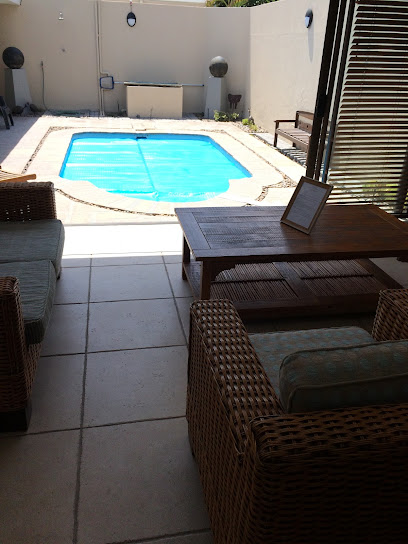
Typical amenities you might expect include air conditioning or heating, a well-equipped kitchen, a comfortable bed arrangement, a workspace if needed, and reliable hot water. Outdoor spaces such as a balcony or small courtyard are a welcome addition in Cape Town’s climate. If you’re visiting in peak summer or during the festive season, you may appreciate properties with fans or cooling systems and options for late check-in.
Practical planning and transport tips
Cape Town’s public transport includes a modern, city-run network and ride-sharing options, which can be convenient for short trips to beaches, markets, or the foodie precincts. The MyCiTi bus system is popular with travellers for budget-friendly travel around the city, while rideshare apps provide flexibility for late-night outings. If you’re exploring on your own timeline, renting a car offers maximum freedom to discover beyond the city bowl, such as the Cape Peninsula’s coastal routes or wine estates in Constantia.
Food and dining can be a highlight of a Cape Town stay. Expect a range from casual cafés and markets to fine-dining restaurants with panoramic views. In each neighbourhood, you’ll find eateries that celebrate local produce, seafood, and global flavours, often with seasonal menus. For a balanced experience, plan a couple of meals out near your base and reserve ahead during peak periods, particularly over weekends and school holidays.
Best time to visit and seasonal considerations
Cape Town enjoys a Mediterranean climate with dry summers and wet winters. The summer season (roughly November to March) is popular for beach days and outdoor activities, but it can be crowded and pricier. Shoulder seasons—late spring and early autumn—often offer milder weather, fewer crowds, and excellent scenery with blooming fynbos or autumn colour in nearby nature reserves. Winter months bring cooler conditions and occasional rain, which can be ideal for museums, galleries, and city promenade strolls with fewer queues.
When planning around activities, remember the city’s natural beauty is weather-driven. Cloud cover over Table Mountain can obscure views, and sea conditions influence marine adventures. Always check local forecasts and arrange flexible itineraries that allow you to swap a mountain hike for a museum visit if conditions change.
Attractions and experiences in general terms
Cape Town offers a tapestry of experiences without needing to be an expert traveller. Iconic viewpoints reveal sweeping city, mountain, and ocean panoramas. Natural reserves and coastal drives showcase wildlife, unique flora, and penguin communities in nearby nature reserves. Cultural districts invite you to explore art galleries, street art, and historic sites, while markets and harbour precincts provide opportunities to sample fresh produce, crafts, and regional fare. Booking guided walks or small-group tours can help you uncover stories behind the scenery and offer practical tips for navigating popular sights.
Responsible planning and staying connected
Respect the local communities and environments you visit. Choose accommodation that promotes sustainable travel practices where possible, and support businesses that prioritise responsible tourism. Keep emergency contacts handy, carry water, and plan your transport realistically to reduce delays. With a well-chosen base, a balanced itinerary, and a curiosity for local life, a Cape Town stay can be both memorable and manageable across a range of budgets and travel styles.
- Materials: Bring layers for variable coastal weather and a light rain jacket for winter showers.
- Safety: Secure belongings and be mindful of personal safety, especially at night in unfamiliar areas.
- Connections: Check which attractions require advance booking and which are walk-in friendly.
For more inspiration and practical planning, you can visit official Cape Town tourism information at trusted local websites and portals to help shape your itinerary and booking choices. A well-planned stay blends comfortable accommodation with easy access to the city’s beaches, viewpoints, markets, and cultural highlights.