Accommodation and experiences in Cape Town: planning your stay in the Western Cape
Cape Town offers a rich mix of accommodation styles to suit every traveller, from stylish urban apartments and boutique guesthouses to family-friendly hotels and coastal lodges. When planning a stay, it helps to think about what you want from your base: access to natural scenery, proximity to dining and culture, or a quieter neighbourhood with easy transport links. The city is compact enough to explore by day and unwind in at night, with many areas offering distinct atmospheres and appeal.
Areas to consider include the city centre and the Foreshore for modern conveniences, the V&A Waterfront for easy access to dining and harbour views, and the Atlantic Seaboard—including Green Point, Sea Point and Camps Bay—for dramatic ocean scenery and walkable promenades. For wine lovers and a more relaxed pace, Constantia and the Southern Suburbs provide leafy streets, green hills, and easy access to some of the region’s famed wine estates. Bo-Kaap offers colourful streets and cultural experiences near the city centre, while the neighbourhoods around Table Mountain often provide dramatic views and a tranquil, residential feel. When selecting accommodation, consider how close you want to be to a particular attraction, and whether you prefer a lively night scene or a calmer setting after a day of exploring.
Typical amenities to look for include reliable wi‑fi, secure parking or easy access to public transport, in-room climate control, a good breakfast offering if you value morning meals, and options for luggage storage if you are moving between stays. If you are travelling with family or a group, a self-catering apartment or a suite with separate living space can help you accommodation flexibility. For business travellers or travellers seeking pampering, boutique hotels and guesthouses with a concierge desk, gentle spa options, and curated local guides can be especially convenient. When booking, check cancellation policies, housekeeping frequencies, and whether the property offers a local guide or tips on must-see experiences—the right partner can make a big difference to your trip.
Transport in Cape Town is an important factor. The MyCiTi bus network helps connect the city’s main districts, while Uber and local ride-hailing services provide door-to-door convenience. If you plan to drive, some areas offer on-site parking or nearby public lots, but in busy districts street parking can be limited. Consider accessibility to popular starting points for day trips, such as the Table Mountain cableway, the Cape Peninsula route, or the Constantia wine route. For visitors staying near the coast, the promenade and coastline paths are pleasant for morning walks or sunset strolls, weather permitting.
Best time to visit Cape Town depends on what you hope to do. Spring and autumn offer mild weather and fewer crowds, making it ideal for outdoor activities and wine country visits. Summer (December to February) brings longer days, warm temperatures and a lively waterfront scene, but can be busy. Winter (June to August) is cooler and rainier, yet often offers fewer crowds and good value in some accommodation options. The city’s top natural sights are beautiful year-round; however, it’s wise to plan well in advance if you want to secure a stay near sought-after beaches or scenic viewpoints during peak seasons.
When it comes to planning a balanced itinerary, mix must-see sights with local neighbourhood strolls, markets, and café culture. In general terms, you can expect a spectrum of experiences: iconic views from mountain viewpoints, fresh seafood or regional dishes along the coast, and modern or traditional eateries offering a range of flavours. Many visitors enjoy pairing a morning outdoor excursion with a relaxed afternoon exploring museums, galleries, or a harbour promenade. If you prefer a scenic day trip, consider the peninsula’s coastal scenery, the scenic coastal road, and a visit to the Cape Point or nature reserves, while wine-tasting enthusiasts might allocate an day to Constantia or nearby Stellenbosch and Franschhoek for their renowned estates and landscapes.
For accommodation with a distinct character, you may encounter options such as boutique city stays echoing modern design or harbourfront properties that highlight ocean views. An example of a contemporary stay in the area could be a coastal hotel offering striking views, well-appointed rooms, and proximity to beach walks and sunset paths. When you book, read recent guest reviews for feedback on warmth of service, noise levels from nearby streets, and the ease of access to transport links. If the property operates guided experiences, you might find curated walking tours or tasting itineraries that help you unlock local neighbourhoods and hidden gems.
Practical tips to help you make the most of your visit:
- Book accommodation with clear information on access and security, especially if you plan to travel late or return after sunset.
- Pack layers for variable coastal weather: mornings can be cool, with warmer afternoons and breezy evenings by the sea.
- Plan day trips with some flexibility for changing weather and enjoy a mix of outdoors and cultural experiences.
- Check transport options to major sights in advance and consider proximity to a MyCiTi stop or a convenient taxi/ride-hailing hub.
- Look for properties that offer local insights, maps, or recommended routes to adapt quickly to new surroundings.
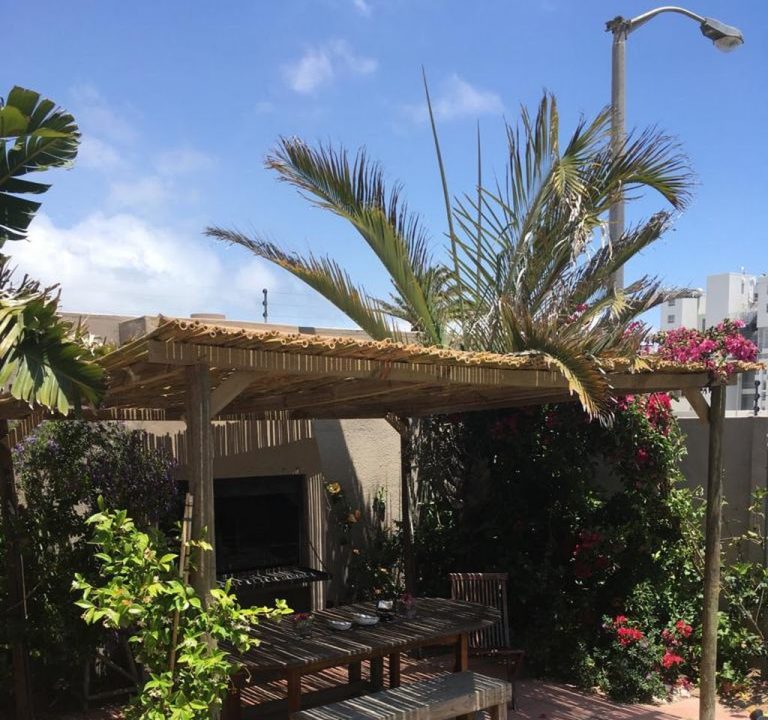
The Bay 804 By Ctha, as one example among contemporary city stays, sits within a setting that blends urban access with close proximity to harbour and sea views. Whether you prioritise a stylish room, easy walking access to main sights, or a comfortable base for exploring the Cape, careful planning will help you tailor your stay to fit your interests, budget and pace. With its mix of scenery, culture and cuisine, Cape Town remains a compelling destination for travellers seeking both adventure and relaxation in equal measure.