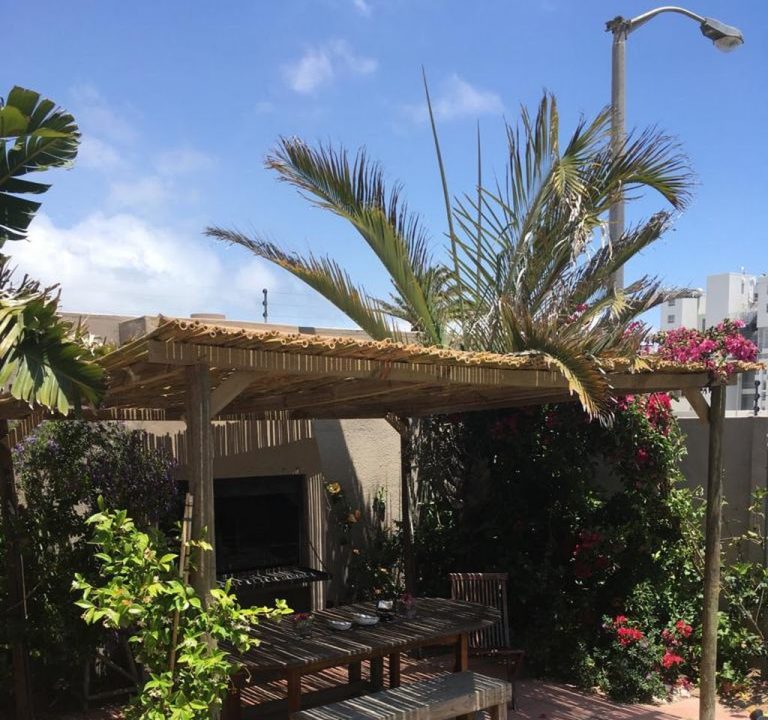
Accommodation and planning a stay in Cape Town, Western Cape
Cape Town blends natural beauty with a vibrant urban heart, making it a compelling destination for a multi‑day visit. When choosing where to stay, consider the rhythm of neighbourhoods, proximity to key sights, and the pace you want for your trip. The Bays B202 offers a taste of convenient living within the city, but the Cape Town region is dotted with lodging options that suit a range of budgets and travel styles. From modern apartment stays to boutique guesthouses and lodge‑style venues, you’ll find spaces that balance comfort with easy access to the outdoors and city life.
Areas to consider for your stay include:
- V&A Waterfront and the harbour edge for easy access to strolls, dining and oceanside views.
- Green Point and the bustling foreshore area, close to beaches, cycle paths, and nightlife.
- De Waterkant (the Dutch Quarter) for a cosmopolitan vibe and close proximity to central attractions.
- City Bowl and Gardens for a quieter, leafy setting with a short walk to museums and markets.
- Southern Suburbs and Constantia for wine estates, green landscapes and a slower pace.
When booking, look for a few practical features that can make a stay easier and more enjoyable. A well‑equipped kitchenette or self‑catering option can save time and money, especially if you are travelling with family or a longer itinerary. A reliable Wi‑Fi connection is essential for planning day trips and staying connected to work or friends back home. A clear, well‑displayed map of the immediate neighbourhood, along with information on local transport and recommended routes, can be invaluable on arrival.
Typical amenities to expect include comfortable beds with quality linens, ample storage space, a private or semi‑private entrance, and clean, well‑ventilated spaces. Many properties in Cape Town offer balconies or terraces with views of landmarks, table mountain scenery, or harbour glimpses. Laundry facilities, secure parking or easy parking access, and a responsive host or on‑site management team contribute to a stress‑free stay. Depending on the property type, guests may also find serviced options with daily or mid‑week housekeeping, combined with a compact gym or a small pool area.
Transport around Cape Town is a key planning consideration. If you plan to explore widely, staying within a well‑connected area near MyCiTi bus routes or the city centre can reduce daily travel time. Car hire is common for visitors who want the freedom to explore beyond the immediate city, especially for trips to the Cape Peninsula, Constantia wine route, or Cape Point. For shorter stays, rideshare apps, reputable tour operators, and organised day trips can be a practical alternative to driving in busy traffic or finding parking in popular spots.
The best time to visit Cape Town depends on weather, crowds, and what you wish to do. May to September brings cooler days and quieter streets, ideal for hiking and city sightseeing with fewer crowds. Spring and autumn bring mild temperatures and lush scenery, while the late summer and early autumn period can be popular with visitors heading to the coast for sea sailing and outdoor events. If you are chasing coastal sunshine, plan for late spring through early autumn, but be prepared for a chance of showers at any time of year.
Practical planning tips to help you make the most of your stay:
- Book accommodation with a clear cancellation policy in case plans change, especially during peak travel periods.
- Check proximity to major routes and sights you want to prioritise, and assess the convenience of public transport for daily activities.
- Ask hosts or front desk staff about safety, especially if you plan evening strolls in city fringe areas.
- Pack layers for varying temperatures—especially near the coastline and atop Table Mountain’s viewpoints.
- Reserve at least one fine‑dining or high‑quality casual dining experience, but also leave room to explore a range of eateries from markets to family‑run bistros.
Attractions in and around Cape Town span natural beauty, cultural experiences, and culinary adventures. Iconic landscapes such as coastal viewpoints, the slopes of Table Mountain, and nearby flora reserves offer photographers and hikers alike ample opportunities. For a balanced visit, combine outdoor activities with time to explore historic districts, bustling markets, and contemporary eateries. While this article does not list specific venues, you will find a broad spectrum of options, from casual cafés and casual eateries to refined restaurants, that showcase Cape Town’s regional produce and diverse culinary influences. Visitors often couple city sightseeing with trips to the Cape Peninsula or wine regions, which can be reached conveniently by car or organised day tours.
For more information on lodgings and planning resources, consider visiting official tourism sites and local visitor information hubs. These sources provide current guidance on neighbourhood highlights, seasonal events, and transport services, helping you tailor your itinerary to your interests and pace. Whether you’re seeking a stylish apartment such as The Bays B202 or a cosy guesthouse nestled in a quiet street, Cape Town offers a welcoming base from which to discover one of the world’s most striking urban‑coastal destinations.