Accommodation and Getting the Most from a Stay in Cape Town, Western Cape
Cape Town offers a wealth of places to stay that can suit a range of travellers, from boutique BnBs and guesthouses to stylish apartments and larger vacation homes. When planning a visit, think about your itinerary, preferred pace, and how you like to move around. The city’s geography means convenient options cluster around certain areas, each with its own character and advantages.
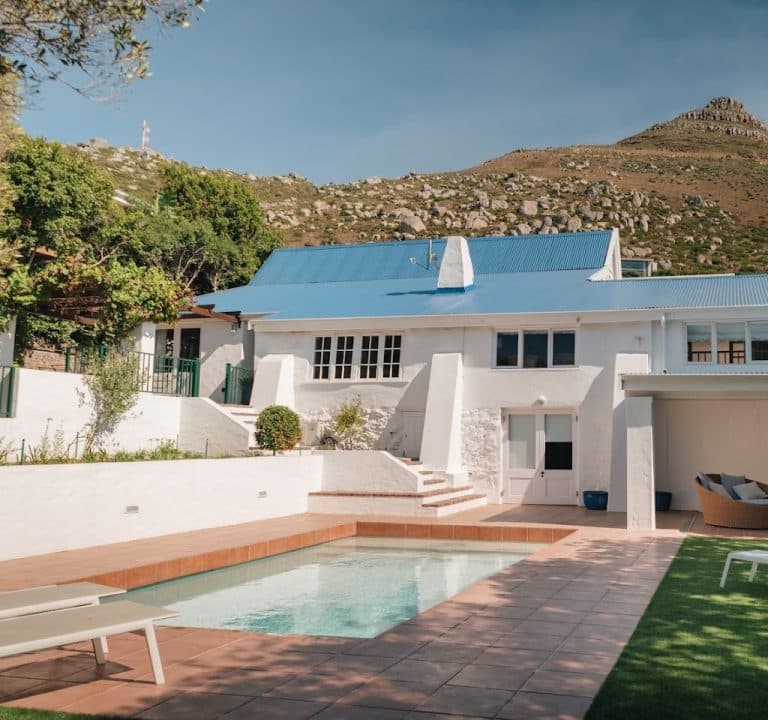
Popular areas to consider include the City Bowl and central business district for easy access to museums, markets, and nightlife; the V&A Waterfront and city harbour area for harbour views and a seaside vibe; the Atlantic Seaboard, including Camps Bay and Clifton, for beachfront scenery and stylish dining; and Constantia or Somerset West for wine routes and green spaces. If you want a family-friendly base, look for properties with kitchen facilities, secure parking, and nearby parks or beaches. For a more secluded escape, inland neighbourhoods or guesthouses with a garden and pool provide a quiet contrast to the city’s energy.
When choosing accommodation, consider the following common features and what they mean for your stay:
- Self-catering options (kitchens, cooking facilities, and grocery access) are ideal for longer visits or travellers who value flexibility.
- Outdoor space such as balconies, terraces, or pools can enhance downtime after sightseeing.
- Wi‑Fi quality and quiet workspaces are important for guests who blend travel with remote work or planning days.
- Secure parking and easy street access reduce daily stress, especially if you plan to hire a car.
- Proximity to public transport routes, such as MyCiTi bus stops or rail links, makes day trips more straightforward.
Sort of stay matters as well. Boutique guesthouses and smaller BnBs often offer personalised service and attention to detail, with hosts happy to share local tips and practical information. Larger vacation rentals or well-appointed apartments can provide more space and a kitchen, making them suitable for groups or families. Always review recent guest feedback to gauge cleanliness, response times, and the accuracy of listing descriptions.
Transport in Cape Town is varied and part of the experience. The MyCiTi bus network covers many central routes, while Uber and other ride-hailing services are widely available. If you plan day trips to the Cape wine lands, Cape Point, or the southern coast, having a car might be more convenient, though many tour operators offer add-on transfers from central locations. If you prefer to travel by public transport, choose accommodation with easy access to bus routes or reputable transfer services. For coastal areas, consider a property with safe parking and straightforward routes to beaches, as some streets can be steep or narrow.
The best time to visit Cape Town typically spans late spring to early autumn (September to November) and late summer (February to April). Spring brings pleasant weather and blooming gardens in Kirstenbosch, while summer offers long days and coastal activity. Winter is cooler and wetter, which can be ideal for city museums, markets, and wine-tasting rooms with fewer crowds. If you’re planning outdoor activities like hiking up Table Mountain or visiting Cape Point, pack layers and sun protection, even in milder months.
Practical planning tips to help you optimise a stay:
- Book accommodations with flexible cancellation policies where possible, particularly if your plans may shift with weather or events.
- Check for essential amenities such as secure access, reliable hot water, efficient heating/air conditioning, and good lighting for evenings in.
- Consider a location that reduces daily transit time to your must-see sites, but also offers pleasant pedestrian areas within walking distance for evenings out.
- Review the property’s water and energy practices, especially during dry seasons. Some homes may have water-saving features or solar power options.
- Plan a balance of experiences: city sights, beaches, nature reserves, and a day or two exploring wine regions or neighbouring towns.
Attractions and experiences in general terms are plentiful for visitors staying in Cape Town. Iconic natural scenery, such as a cable car ascent or scenic viewpoints, offers panoramic city and ocean vistas. Cultural hubs showcase a blend of histories and arts, with markets and galleries that reflect the region’s diversity. For a relaxed evening, casual and fine-dining options sit against a backdrop of ocean and mountain silhouettes. Dining around the city often focuses on fresh seafood, local produce, and modern takes on South African cuisine, with many venues offering terraces or garden spaces that capture the coastal breeze.
In terms of planning your days, aim for a mix of signature sights and slower, restorative moments. A day could begin with a easy coastal walk or scenic drive along the Atlantic Seaboard, followed by a museum visit or a stroll through colourful streets and markets. Lunch or tea can be enjoyed in a neighbourhood café or a restaurant with views of the harbour or sea. The afternoon might accommodate a visit to a botanical garden, a winelands day trip, or a coastal drive to a lighthouse or beach. Evenings can be spent exploring diverse dining districts, with opportunities to sample local cheeses, wines, and seasonal produce, before returning to a comfortable base with a restful night’s sleep.
For those seeking a seamless stay that aligns with local rhythms and landscapes, Cape Town offers a broad spectrum of accommodation styles, thoughtful amenities, and practical transport options. By choosing a base that matches your itinerary, and by planning with flexibility in mind, you’ll maximise both convenience and enjoyment while discovering the city’s natural beauty, cultural riches, and remarkable dining experiences.