Accommodation and Attractions in Cape Town: Where to Stay and What to Do
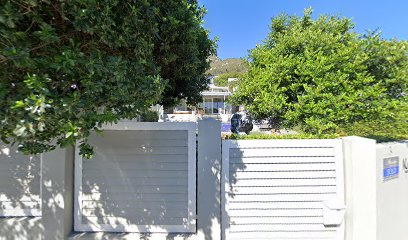
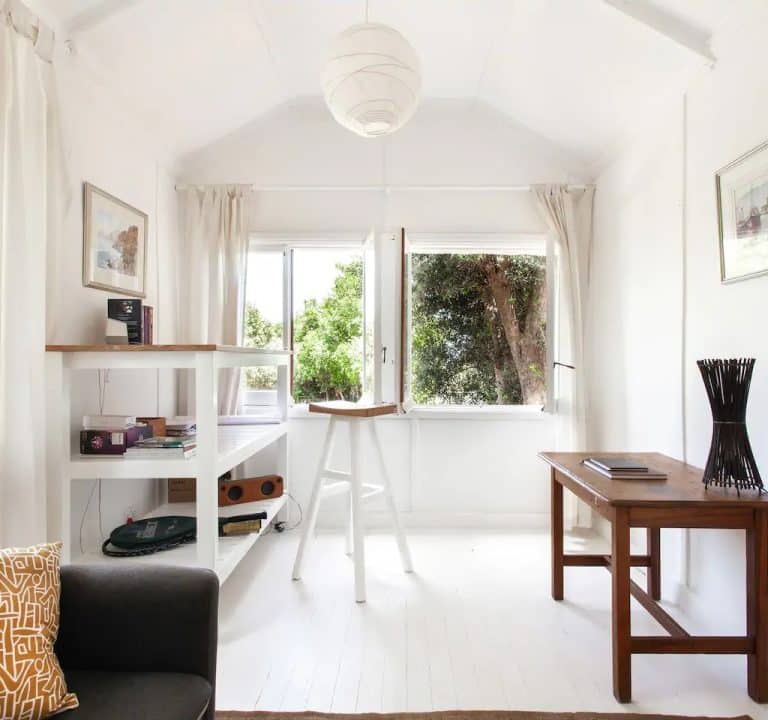
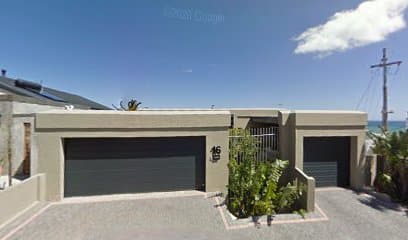
Cape Town, on the edge of the Atlantic, offers a diverse mix of stays—from chic city boutiques to scenic seaside guesthouses. When planning a visit, consider choosing accommodation by neighbourhood to match the kind of experience you want: a cosmopolitan city centre base with easy access to museums and nightlife; a coastal village feel in Camps Bay or the Atlantic Seaboard for beach days and sunsets; or a leafy Constantia setting for quieter mornings and easy access to wine routes. One example of a stay in this area is Bosman Beach House, a property positioned for beach access and relaxed coastal living, illustrating how many South African properties blend comfort with natural surroundings.
Typical accommodational options in Cape Town range from boutique hotels and guesthouses to affordable self-catering apartments and family-friendly lodges. When booking, look for reliable Wi‑Fi, secure parking, daily housekeeping, and flexible cancellation policies. A strong morning waking up to a continental or cooked breakfast can be a real convenience, especially if you plan early starts for hiking, city tours, or harbour excursions. Pool textures, privacy, and accessibility to venues often influence the choice of stays in this city where mornings by the coast and late-night strolls along the city promenade are common experiences.
Neighbourhoods and what they offer:
- City Centre and the V&A Waterfront: Great for first‑time visitors who want museums, dining, and easy transport links. Look for properties with easy access to the MyCiTi bus network or MetroRail stations for quick hops to surrounding areas.
- Atlantic Seaboard (incl. Bantry Bay, Clifton, Camps Bay): Ideal if beach time and ocean views top your list. Properties here often feature balconies, sea-facing rooms, and outdoor spaces for sunset moments.
- Green Point and Sea Point: A blend of walkable coastal paths, parks, trendy eateries, and proximity to major attractions. This area tends to offer a good mix of guesthouses and smaller hotels.
- Constantia and Mowbray: Best for those who want a more relaxed, wine‑country ambience with verdant scenery and easy drives to Constantia Valley routes and historic estates.
- Bo-Kaap and De Waterkant: Colourful streets and a central vibe, with a choice of guesthouses and small hotels that place you within easy reach of cultural highlights and harbour strolls.
What to look for when booking:
- Location relative to planned activities (table mountain hikes, robben island tours, or the waterfront).
- Access to transport options, especially if you prefer not to hire a car.
- Amenities that matter most to you (parking, private balcony, kitchenette, air conditioning, pool).
- Safety features and well-lit surroundings, particularly in city-centre or night-time areas.
- Flexible cancellation policies and value for money, including breakfast inclusions and housekeeping frequency.
Typical amenities you may encounter include en-suite bathrooms, coffee/tea stations, secure parking, complimentary breakfast or tea service, and access to shared or private lounges. Some properties offer facilities such as on-site pools, rooftop decks, or spa services, while others may emphasise self-catering options with fully equipped kitchens. Accessibility varies—checking stair configurations and elevator access is wise if you have mobility needs.
Transport and getting around: Cape Town is served by a reliable city bus network and a growing light rail system in some corridors. Taxis and ride-hailing apps are widely used, and many hotels offer shuttle services or can arrange private transfers. If you plan to visit the Winelands or the Cape Peninsula, a rental car gives you the most flexibility, although organised tours are popular and convenient. Parking availability at the accommodation can be a real time-saver in busy areas, so factor this into your planning if you intend to drive.
The best time to visit Cape Town depends on what you seek. The shoulder seasons—spring (September to November) and autumn (February to April)—typically offer milder weather, fewer crowds, and vibrant colours along the coast and in the mountains. Summer (December to February) brings long days and beach-friendly conditions, but popular sites can be busy. Winter (June to August) is cooler and wetter, yet often quieter and more affordable, with dramatic sea views and lush green landscapes in the surrounding hills.
Attractions and experiences, in broad terms: you can expect a mix of natural beauty and cultural heritage. Iconic settings include Table Mountain views, harbour activities, nearby Cape Peninsula drives along scenic coastal roads, and nature reserves where you can hike, birdwatch, or simply enjoy a picnic with ocean panoramas. Food lovers will find a dynamic dining scene ranging from casual eateries to fine dining with a focus on fresh seafood, locally sourced ingredients, and vibrant international flavours. While we won’t name specific venues here, most districts offer a variety of options from modern brasseries to traditional eateries that celebrate Cape flavours and regional delicacies. For those seeking a relaxed day out, a stroll along the foreshore or a harbour-side market can be just the ticket, with opportunities to sample regional products and crafts without venturing far from your base.
Practical tips for a smooth stay:
- Book well in advance for peak seasons and major holidays, particularly if you want a sea view or a central location.
- Pack layers to accommodate coastal microclimates and potential changes in weather.
- Plan day trips around wine routes, nature walks, and cultural neighbourhoods to maximise each day.
- CheckCancellation policies and travel insurance coverage, especially if your plans may shift.
- Respect local safety guidelines and be mindful of personal belongings in busy areas.
To help you plan further, consider visiting official tourism resources for Cape Town for practical ideas on routes, events, and seasonal highlights. You can explore more about the city and its surrounding regions via online guides and the official tourism websites, which provide up-to-date information on places to stay, transport options, and experiences.