Planning a memorable stay in Cape Town: where to stay, what to do, and practical tips
Cape Town is a city of striking contrasts and natural beauty, where mountains meet the sea and neighbourhoods offer distinct character. When choosing accommodation, consider what kind of base will suit your plans—whether you want easy access to iconic sights, a beachside breeze, or a leafy neighbourhood with easy markets and cafés. Cape Town’s guesthouses, B&Bs, lodges and holiday homes cater to varying budgets and preferences, from stylish boutique stays to family-friendly homes with panoramic views.
Areas to consider include:
- City Bowl and the central point around the bohemian rooftops and convenient access to museums, restaurants, and nightlife
- Atlantic Seaboard from the Waterfront to Camps Bay, offering dramatic sea views, sun-soaked beaches and easy coastal walks
- Green Point and V&A Waterfront for a lively mix of dining, entertainment, and proximity to the harbour
- Observatory and the Southern Suburbs for a quieter stay with easy access to wine farms and outdoor trails
- Constantia for a leafy, wine country feel with historic estates and gastronomic experiences
When booking, look for the following amenities and features to maximise comfort and convenience. A well-equipped kitchen or kitchenette is ideal for longer stays or for travellers who value flexibility with meals. A reliable Wi‑Fi connection is essential for planning day trips, finding directions, and keeping in touch with family. If you’re visiting in peak season, a property with air conditioning or ceiling fans helps counter Cape Town’s warmer days, especially along the coast. A private outdoor space—balcony, terrace, or garden—adds real appeal for enjoying morning coffee or a sundowner with views.
Transport is an important practical consideration. Cape Town’s attractions are spread across varied neighbourhoods, so staying somewhere with easy access to public transport or reliable car hire can save time. Many popular areas are walkable within themselves, and reputable guesthouses often offer advice about safe, convenient taxi or rideshare options. If you plan to explore the Cape Peninsula or winelands beyond the city, a car becomes handy, even essential for some itineraries.
Best time to visit Cape Town blends weather, crowds and events. The city enjoys a temperate climate with dry summers and wetter winters. Summer (December to February) brings warm days and bustling beaches, while shoulder seasons in spring (September to November) and autumn (March to May) usually offer milder weather, fewer crowds and excellent light for photography. Winter (June to August) can be cool and windy, yet museum days, market visits and wine-tasting trips become wonderfully atmospheric. If you’re planning outdoor activities like hiking or coastal drives, pack layered clothing and good walking shoes, and always check local forecast updates before heading out.
Accommodation types range from stylish B&Bs with personalised service to self-catering holiday homes that provide space and privacy for families or groups. Some properties showcase original Cape Dutch or Victorian architecture, while others offer contemporary design and sea or mountain views. Practical tips to make the most of your stay include booking well in advance if you’re visiting during school holidays or major events, confirming check-in procedures and parking arrangements, and reading recent guest reviews for insights on noise levels, cleanliness, and host responsiveness. For longer stays, ask hosts about nearby grocery stores, laundries, and medical facilities, as well as suggested day trips and authentic local experiences.
When it comes to attractions, Cape Town offers a blend of natural wonders, historic sites and vibrant neighbourhoods. Plan a mix of outdoor sights with cultural experiences. A ride up a cable car to the top of Table Mountain is a quintessential highlight, offering panoramic views and photo opportunities. The city’s harbour area and nearby Robben Island provide historical context, while nearby Kirstenbosch National Botanical Garden showcases regional flora in a stunning setting. The Cape Peninsula drive along Chapman’s Peak and along the fish-filled shores of Hout Bay reveals rugged scenery and charming villages. For a taste of urban life, stroll markets, galleries and cafés in the inner city and near Green Point, sampling local flavours in a relaxed setting.
Food lovers will find a broad spectrum of dining options, from seaside casuals to refined restaurants focused on seasonal produce and ocean-to-table dishes. South African cuisine—rich with flavours and influences from diverse cultures—pairs particularly well with a visit to local markets, small eateries, and wine estates in Constantia and the nearby Constantia Valley. While specific menus and prices change with the seasons, most venues prioritise fresh ingredients, friendly service, and a scenic backdrop that complements the meal.
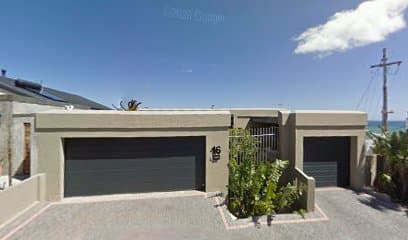
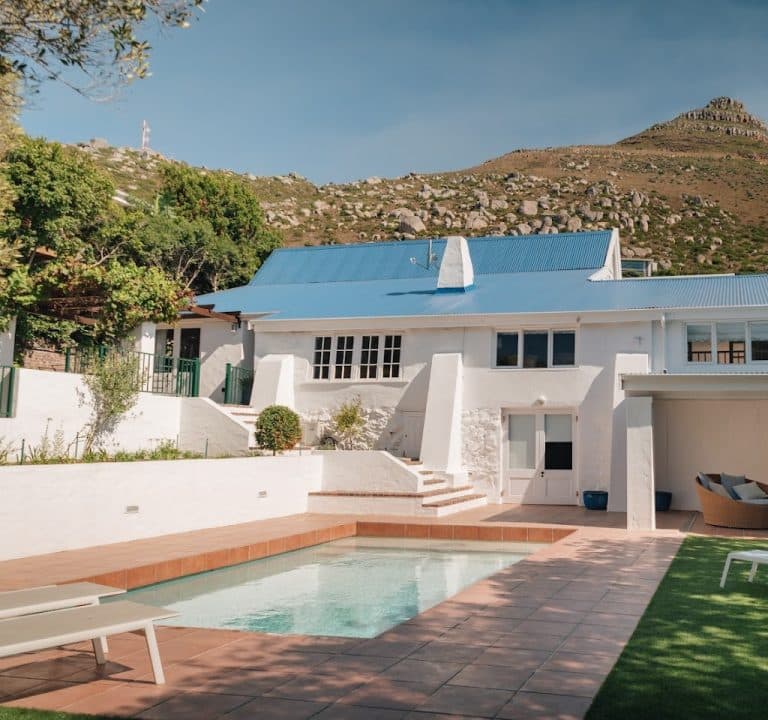
One example of a modern, well-located stay is Blue Waters, a holiday home offering generous space and views in a convenient part of Cape Town. For those curious about places to stay, its website provides further details and guidance on what to expect during a visit—useful as part of your planning and to compare with other accommodation options in the city. Blue Waters can serve as a reference point for considering layout, amenities and location when evaluating other listings.
Useful practical tips for visitors:
- Book accommodation with flexible cancellation policies where possible, especially if your plans may change with weather or events
- Confirm access times for self-check-in and ensure you understand parking or drop-off options
- Ask hosts or property managers for recommended safe local transport and insider tips on lesser-known sights
- Plan at least one full day for a scenic coastal drive or a wine-tasting excursion in nearby valleys
- Keep a light daypack for markets, beaches and short hikes, with water, sunscreen and a hat
Cape Town rewards careful planning with a stimulating mix of scenery, culture and cuisine. With the right area, a comfortable home base, and thoughtful itinerary, your stay can blend relaxation with adventure, creating lasting memories of the Western Cape’s extraordinary coastline and searchlights of city life.