Far Horizons: A guide to staying in Cape Town for a self‑catering escape
Situated in the Western Cape, Cape Town offers a rich tapestry of coastal scenery, mountain outlooks and vibrant city life. For travellers seeking the convenience and privacy of a self‑catering stay, there are options that suit everything from secluded hillside retreats to stylish apartments along busy streets. When choosing accommodation in Cape Town, consider the character of each neighbourhood, the pace you want, and how easy it will be to access the places you plan to visit.
Neighbourhoods to consider include the City Bowl for easy access to museums, markets and nightlife; the Atlantic Seaboard for dramatic coastline and sea views; and Constantia for leafy tranquillity close to wine estates and green hills. For a beach‑forward stay, areas near Camps Bay and Clifton offer sweeping ocean panoramas and easy access to sunsets. If you’re after a more intimate, residential feel with broader garden scenery, Constantia or nearby suburbs provide self‑catering homes surrounded by greenery. When planning, map out your must‑see experiences—Table Mountain, the V&A Waterfront, Robben Island, and nearby winelands—so you can balance days on the cape with quieter mornings in your accommodation.
Self‑catering options vary from compact studio apartments to large three‑bedroom homes. In a city with a busy pace, many travellers favour properties that offer a dedicated kitchen, outdoor space, and reliable Wi‑Fi. A well‑appointed unit may also feature laundry facilities, secure off‑street parking, and good security. If you are travelling with family or a group, a single‑story layout or open‑plan living space can improve flow. For couples seeking a cosy retreat, look for verandah or balcony access to capture the mountain or sea views. In addition to standard kitchen equipment, check whether basic pantry staples are included, as this can simplify arrival after a long journey.
Booking considerations and practical planning can make a big difference to your Cape Town stay. Use the following checklist when evaluating options:
- Location and accessibility: Proximity to MyCiTi routes, main roads, and walkable neighbourhoods; ease of reach to your planned activities.
- Property size and layout: Number of bedrooms, sofa beds if needed, and whether there are shared communal spaces.
- Amenities: Fully equipped kitchen, laundry facilities, Wi‑Fi, air conditioning or heating, secure parking, and outdoor space.
- Safety and security: Access controls, neighborhood safety, and clear information on entry arrangements.
- House rules and flexibility: Check policies on noise, visitors, and cancellation terms relevant to your travel dates.
- Transport options: Availability of taxis or ride‑hailing services, and proximity to car hire services if you plan day trips.
- Local tips: Information on best grocery stores, nearby eateries, and suggested day trips to plan your itinerary.
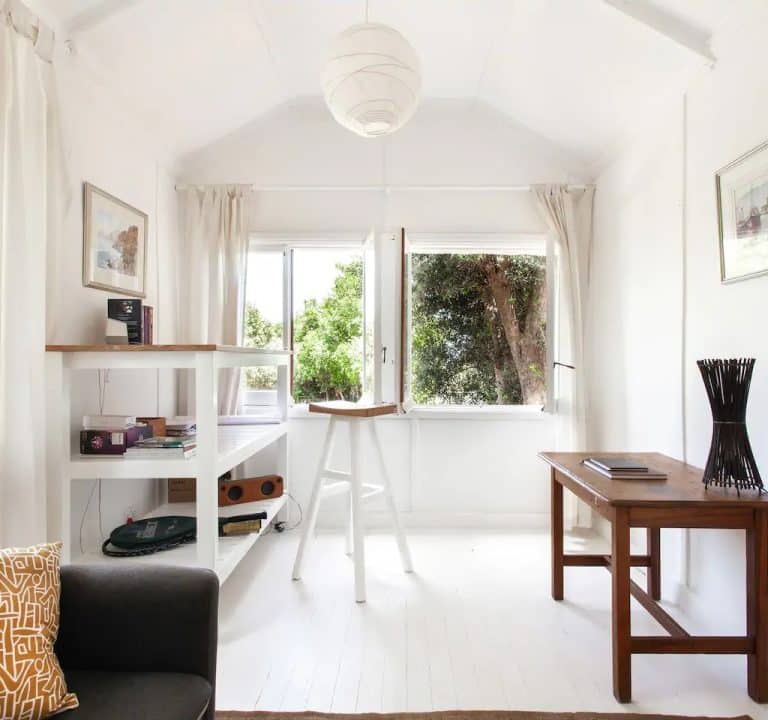
Typical amenities in well‑rated Cape Town self‑catering stays include a fully equipped kitchen with a stove, oven, refrigerator and basic utensils, as well as comfortable living spaces that invite family meals or relaxed evenings in. Many properties now provide reliable Wi‑Fi, posture‑friendly desks for those who need to work remotely, and hosts who share insider knowledge about local markets, bakery favourites and hidden viewpoints. For longer stays, laundry facilities and storage space are valued features, while outdoor terraces or small gardens enhance the sense of space in urban settings.
Transport in Cape Town is straightforward but planning helps. Public transit like the MyCiTi bus network can connect you to popular sights along with a handful of routes to the city centre and the southern suburbs. Car hire offers flexibility for scenic drives along the Atlantic coast, trips to the Constantia Valley wine route, or day trips to nearby Cape Town suburbs. If you prefer car‑free days, many areas are walkable, and some properties are just a short ride from cafés, markets and waterfront attractions. For evening meals, you can rely on a diverse culinary scene—ranging from casual seaside eateries to refined dining—without needing to travel far from your accommodation. Booking ahead for popular spots is a sensible plan, especially in peak season.
The best time to visit Cape Town depends on your priorities. The summer months (roughly November to February) bring warm sea temperatures and long days, ideal for beach days, harbour walks and outdoor activities. Spring (September to November) and autumn (March to May) offer milder weather and fewer crowds, which is excellent for city strolls, winery visits and mountain treks. Winter (June to August) brings cooler weather and the possibility of stronger winds, but it can be quieter and more economical for those who don’t mind bracing coastal conditions. If you plan to hike or take cable‑car trips up Table Mountain, clear, dry mornings usually provide the best visibility, so consider early starts to maximise your time outdoors.
Practical tips to help you enjoy your stay in a self‑catering property include pre‑booking airport transfers or a reliable local taxi service for the first night, stocking up on staples for the initial days, and having a plan for load shedding periods, which can affect power supply in some areas. Speak with your host about any unusual access arrangements, or seasonal maintenance that could influence your stay. Finally, balance your itinerary with downtime at your accommodation, especially if you’re visiting as a couple or family, to soak up the scenery and unwind after day trips along the Atlantic coastline or through the city’s eclectic districts.
Whether you are seeking a serene hillside retreat, a stylish apartment with sea views, or a family‑friendly home near cafés and markets, Cape Town’s self‑catering options offer a flexible base for exploring the region. A well‑chosen stay can be the perfect anchor for adventures in the city, its gardens and its world‑famous wine lands, all while keeping a comfortable home‑from‑home during your visit.