Accommodation and experiences in Cape Town: planning a memorable stay
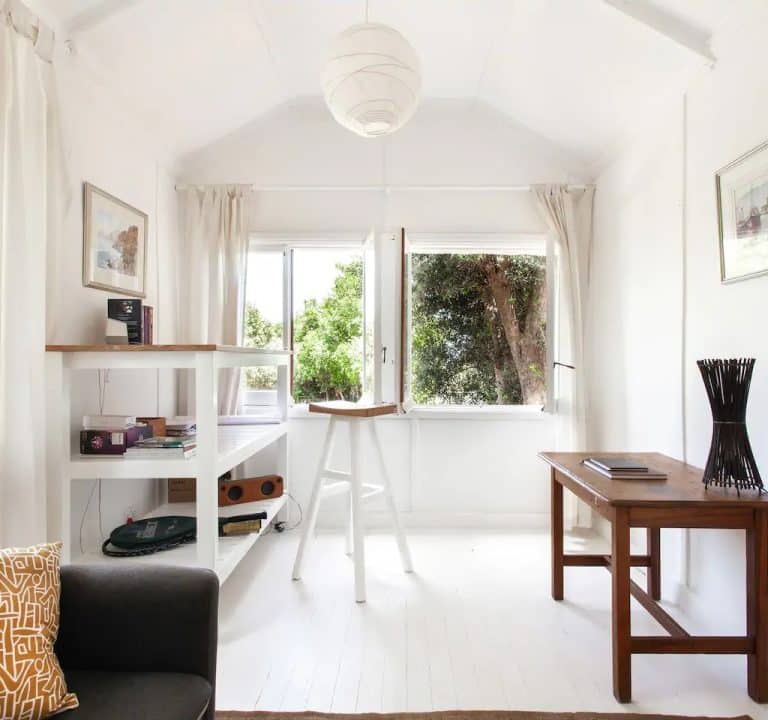
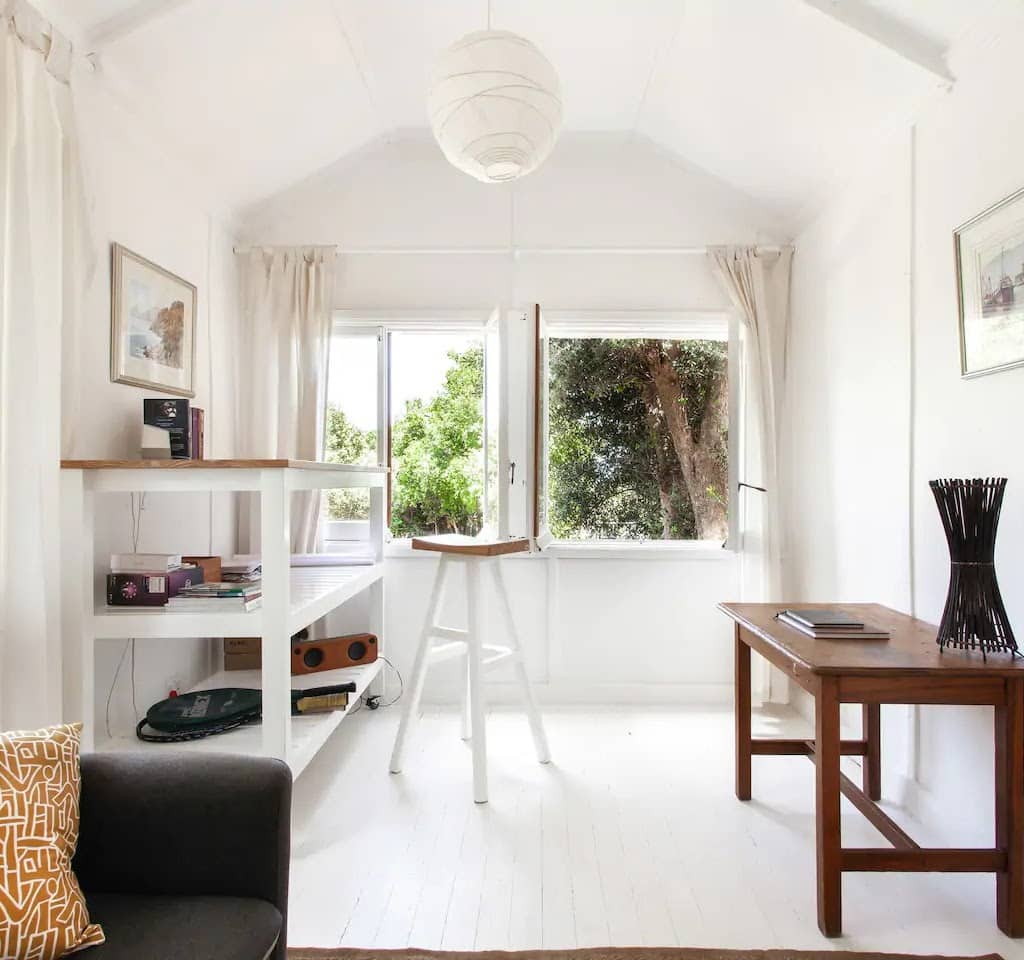
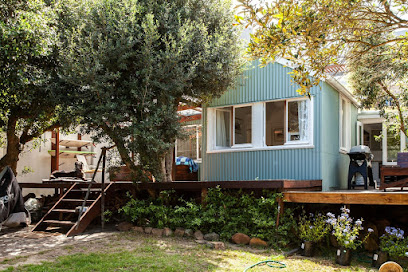
Cape Town is a city of stark contrasts and spectacular scenery, where stylish BnBs, guesthouses, holiday apartments and lodges sit alongside world‑class dining and culture. When planning a stay, consider which neighbourhood best matches your style, how you want to move around the city, and what iconic sights you’d like to use as your anchors for day trips. For a self‑contained option with privacy and flexibility, holiday apartment rentals such as The shack offer a convenient base in a scenic setting, often with kitchen facilities and easy access to beaches, markets and hiking trails. See more at the property’s website for practical details and availability.
Accommodation options vary from boutique guesthouses tucked into historic streets to modern apartments along the Atlantic Seaboard. If you value easy access to nightlife and waterfront ambience, look towards the City Bowl’s proximity to bars, markets and museums, or the Atlantic Seaboard's beachfront strolls and sunsets. For a quieter, more leafy experience, the Constantia valley, suburban pockets around green hills and wine estates, or the residential pockets near Kirstenbosch offer a relaxed pace while still remaining within reach of central sights. When choosing a place to stay, assess whether you prefer self‑catering or full‑service options, and whether on‑site amenities such as a pool, secure parking, or complimentary breakfast align with your plans.
Typical amenities to look for include reliable Wi‑Fi, a well‑equipped kitchen or kitchenette, comfortable living spaces, good natural light, and secure access. Parking availability can be a practical factor in busy areas, especially if you plan to drive or hire a car to explore beyond the city centre. If you anticipate longer drives to Cape Point or the Winelands, a ground‑floor apartment or a property with elevator access (where required) can save time and strain. Accessibility features, housekeeping schedules, and clear guest information packs about nearby supermarkets, cafés and public transport routes are worth confirming before you book.
Transport in Cape Town is varied. MyCiTi buses and taxi services provide city routes, while many visitors prefer hiring a car for day trips to the Cape Point, Constantia wine estates, or the Cape Peninsula drives. If you rely on public transport, opt for locations near major bus routes or within easy walking distance of a MyCiTi stop. For visitors using the airport, some lodgings offer easy access to central areas by road or public transport, which can cut travel time and simplify arrivals after long flights.
Timing your visit to maximise pleasant conditions is part of the planning. Spring (September to November) and autumn (March to May) offer mild temperatures and fewer crowds compared with peak summer. Winter brings cooler, windy weather, which can be ideal for scenic drives and cosy indoor experiences. The months of December to February are popular for beach days and longer daylight hours, but can be busier and more expensive. If you’re chasing a balance of good weather and reasonable prices, shoulder seasons are a sensible choice.
When it comes to experiences, Cape Town’s natural beauty and cultural richness provide a broad spectrum of possibilities. Iconic hiking routes with sensational views across the Atlantic, visits to a Table Mountain cable car or a harbour cruise, and trips to the Cape Point reserve are popular, but you can also indulge in gentler activities such as markets, artisanal food stalls, and waterfront galleries. For a taste of the region’s history and neighbourhood character, consider guided walks around the historic city centre and the Bo‑Kaap district, or a short excursion to nearby subtropical gardens and wine estates. Dining ranges from casual eateries serving fresh seafood and Cape Malay curries to refined restaurants that showcase South African produce with Mediterranean or African influences. When researching restaurants, look for places that offer seasonal menus and locally sourced ingredients, and reserve ahead if you are visiting during peak periods.
Practical tips to help you make the most of your stay:
- Book early if you plan to visit during school holidays or major events to secure preferred locations and better rates.
- Check transport options and proximity to your planned activities, so you can minimise long commutes on busy days.
- Ask hosts or property managers about nearby supermarkets, safe parking, and recommended walking routes at night.
- Plan a mix of day trips and more relaxed days to balance mountain adventures with beach downtime.
- Keep a flexible itinerary to accommodate weather changes and local recommendations from hosts, guides, or fellow travellers.
Whether you stay in a stylish apartment with sea views, a characterful guesthouse in a historic neighbourhood, or a serene lodge close to nature, Cape Town rewards careful planning with unforgettable memories. Start by identifying your preferred area—whether you want urban buzz, coastal scenery, or tranquil gardens—and then align your lodging with the activities you most want to pursue, from hiking and wine tastings to markets and waterfront dining. For inspiration and a practical example of what a stay might include, visit the linked property page for The shack and consider how its setting and amenities could fit your travel plans for a balanced Cape Town experience.