Durban: where to stay and what to do in KwaZulu-Natal
Durban, a vibrant coastal city in KwaZulu-Natal, offers a blend of sandy beaches, subtropical climate and a lively cultural scene. When planning a stay, consider which neighbourhood best fits your style, whether you’re seeking family-friendly beaches, elegant guesthouses overlooking the harbour, or lively districts with easy access to restaurants and nightlife. Durban’s accommodation ranges from boutique guest houses to mid-range hotels and self‑catering apartments, each with its own character and convenient access to key sights.
Areas to consider for a stay include the Golden Mile and beachfront precinct, which are ideal for strolls along the promenade, morning swims, and quick access to city centre attractions. The Berea and Morningside offer a calmer, leafy setting with easy links to shopping centres and restaurants. Durban North and Umhlanga provide a more resort-like atmosphere with coastal views and upscale dining, while Glenwood and Greyville give a sense of Durban’s historic heart with convenient transport routes into the city. If you prefer a village-like vibe close to nature, consider staying near the suburban hills or inland valleys where guest houses often provide tranquil courtyards and warm hospitality.
When you book, look for a few practical features that can make your stay smoother. A guest house or hotel with secure parking is beneficial if you plan to explore by car. If you’ll rely on public transport, check proximity to taxi routes, ride-hailing services, or a railway station, and whether the property can help arrange airport transfers or guided day trips. For family trips, a room configuration that accommodates cots or extra beds and self-catering facilities can be a real bonus. For longer stays, a kitchenette or communal kitchen space adds flexibility. Wi‑Fi reliability is worth confirming if you need to work remotely or stream entertainment after busy days on the coast.
Typical amenities you might encounter include en-suite bathrooms, air‑conditioning or ceiling fans for Durban’s subtropical heat, tea and coffee making facilities, and daily housekeeping. Some guest houses offer a shared lounge, garden spaces, or a plunge pool, which can be a welcome retreat after a day of sightseeing. If you’re visiting during peak season, a clear understanding of check-in times, breakfast service, and late‑arrival arrangements helps prevent any last‑minute stress. Also, read guest reviews to gauge cleanliness, the friendliness of staff, and how accurately the listing reflects the property’s size and facilities.
Getting around Durban is straightforward but planning ahead pays off. The M4 and M4 National routes connect the coast with inland areas, while the N2 provides access to King Shaka International Airport and the northern coast towns. Within the city, many areas are walkable, and taxis or ride-hailing services are commonly used. If you enjoy exploring by car, a private vehicle gives you the freedom to visit coastal spots, botanical gardens, and nature reserves at your own pace. For longer day trips, consider guided tours that cover nearby attractions and cultural experiences, offering insight into the region’s history and landscapes without the hassle of navigation.
Best time to visit Durban naturally hinges on the weather and your planned activities. The warm subtropical climate means outdoor activities can be enjoyed most of the year, with summer (roughly November to February) bringing higher humidity and the possibility of rain showers. Winter (May to August) tends to be milder and drier, making it a pleasant time for walking along the promenade or visiting inland gardens. If you’re looking to coincide with cultural events or food markets, check the seasonal calendars for local festivals, music performances, and farmers’ markets that showcase KwaZulu-Natal’s diverse communities.
When it comes to eating out, Durban’s culinary scene highlights coastal flavours, Indian-influenced cuisine, and contemporary African dishes. You’ll find casual cafes near the beachfront for a quick breakfast or lunch, as well as more refined eateries in the suburbs offering modern takes on seafood and regional favourites. If you enjoy markets, look for places that offer fresh produce, street food, and artisan goods, as these experiences provide a taste of Durban’s locality and hospitality. Many guest houses and inns publish nearby restaurant recommendations, oftentimes with tips on budgeting and timing for peak service hours.
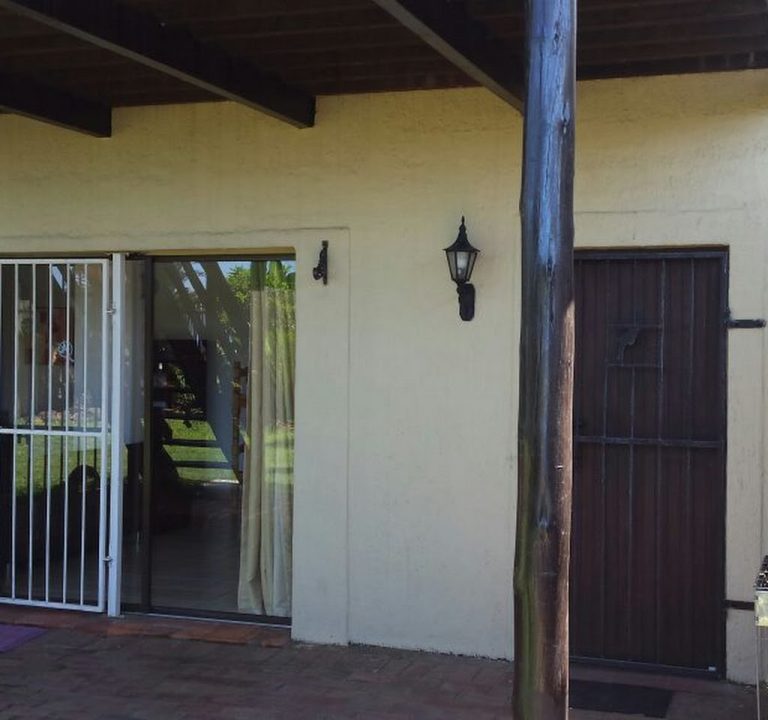
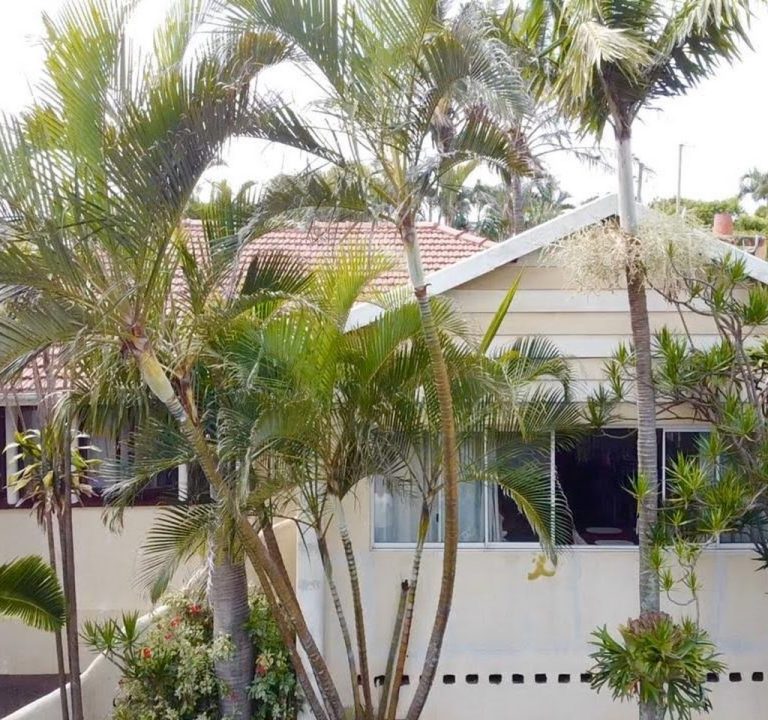
As an example of accommodation in Durban, a boutique guest house such as LA VILLA DIEUDONNEE could provide an intimate base with personalised service. While details vary, guests often seek a refined room, a peaceful garden, and easy access to neighbouring districts, making it suitable for both short city breaks and longer stays. If you’re using a property as a home base, you might plan day trips to nearby beaches, nature reserves, and cultural venues, followed by evening strolls or a relaxed dinner in a neighbourhood restaurant.
Practical packing tips: bring light clothing for daytime and something warmer for evenings, a sunhat and high‑factor sunscreen, a reusable water bottle, and a compact umbrella for sudden showers. If you’re a photographer or enjoy scenic walks, a compact camera or a phone with good low‑light capability can be handy for capturing Durban’s coastal light and vibrant street scenes. Finally, book ahead for peak holiday periods, particularly in coastal areas, to secure your preferred area and the amenities you value most.
- Look for a place with good access to public transport or parking
- Check for en‑suite bathrooms, air‑conditioning, and reliable Wi‑Fi
- Consider proximity to beaches, markets, and dining options