<h2 Durban: Accommodation, Attractions and Practical Planning for Visitors
<p Durban, a coastal city in KwaZulu-Natal, blends tropical beaches, expansive shorelines and a rich cultural mix. When planning a stay, consider areas that suit your pace and interests, from energetic beachfront districts to leafy residential neighbourhoods with easy access to the city’s highlights. Durban can be enjoyed year‑round, but the most comfortable months tend to be during late spring to early autumn, when sea breezes temper the heat. Pack light, breathable clothing, sun protection and a reef-friendly conscience for waterside days.
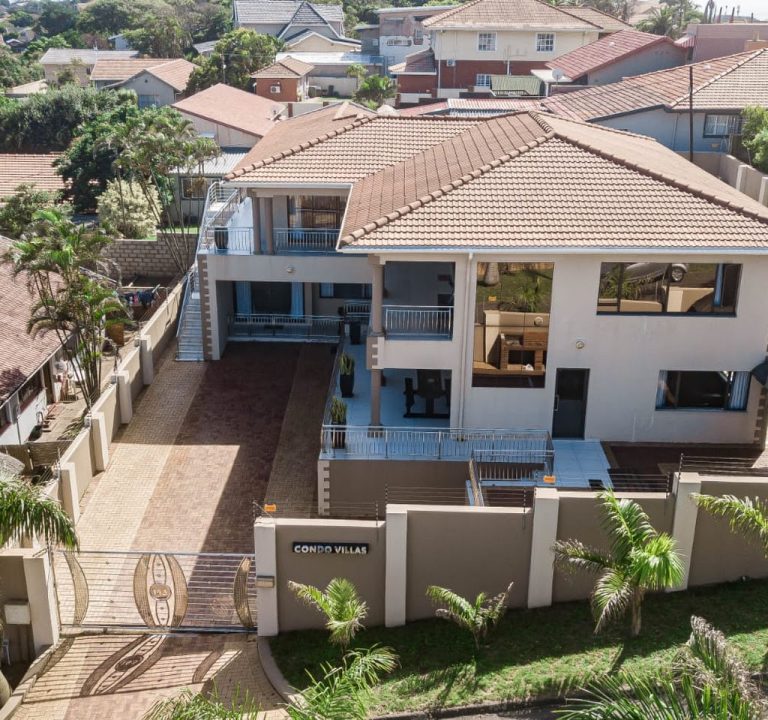
<p For accommodation, Durban offers a spectrum from intimate guest houses to stylish hotels and self‑catering apartments. Netcoral Guest House, a well‑located guest house option, demonstrates the appeal of staying in friendly, smaller properties that offer a personalised touch alongside practical amenities. When evaluating places to stay, think about location relative to your planned activities, space for your party, and how the property handles everyday needs such as self‑catering facilities, secure parking and staff assistance. A well‑run guest house can feel like a home away from home, with helpful hosts who can point you to local eateries and hidden gems.
<p Areas to consider include the following, each offering its own character and convenient access to the coast:
- Golden Mile and beachfront zones for sea views, morning runs, and easy ocean access.
- The Berea and Morningside for central access, cafes, and a mix of boutiques and restaurants.
- Umhlanga and Umhlanga Rocks for a polished resort feel, longer beaches and a coastal promenade.
- Glenwood and Durban North for leafy streets, walkable cafés and a quieter urban atmosphere.
<p When booking, look for the following amenities and features to support a comfortable stay. A reliable Wi‑Fi connection, private en‑suite bathrooms, in‑room storage, and straightforward check‑in/check‑out procedures minimize daily frictions. If you are staying for a week or more, consider a kitchenette or access to a shared kitchen, a laundry facility, and secure parking. A host or front desk that speaks English and a few local languages can be a real advantage for arranging tours, transport, and restaurant reservations. For families or groups, confirm bedding configurations, adjacent rooms, and child‑friendly spaces. If you value sustainability, ask about recycling options, towel and linen policies, and energy‑efficient practices.
Transport in Durban is practical and varied. If you plan to stay near the coast, you can often walk to beaches and markets, with reliable taxis or rideshare options for longer trips. Car hire gives you maximum freedom to explore regional attractions and lesser‑visited beaches. Public transport includes bus services and minibus taxis, though these can be crowded during peak hours. For day trips or coastal excursions, many accommodations can arrange transfers or suggest reputable local operators. When planning travel between neighbourhoods, consider traffic patterns and the time of day, especially in peak season when roads can become congested.
Beyond the beach, Durban offers a tapestry of experiences. Expect long, sunny days spent on sandy shores, afternoons exploring vibrant markets, and evenings tasting diverse cuisines in casual eateries and refined restaurants. Families, couples and solo travellers can find engaging activities such as nature walks in nearby reserves, harbour or waterfront promenades, and cultural hubs that celebrate the region’s history and artistry. For a well‑rounded stay, balance relaxation on the coast with a couple of structured outings—perhaps a guided market stroll, a coastal bike ride, or a family‑friendly venue that provides interactive displays about the local environment and heritage.
Best time to visit typically aligns with favourable weather for outdoor pursuits. The coast enjoys warm summers and mild winters, with some humidity during peak summer months. If you are planning outdoor activities such as long beach days or coastal walks, mornings tend to be cooler and less crowded. If you prefer quieter streets and lower hotel rates, the shoulder seasons can offer good value while still delivering pleasant conditions for sightseeing and dining.
Practical tips to help you plan a smooth stay:
- Confirm proximity to the places you want to visit and verify transport options from your lodgings.
- Ask hosts or hotel staff for trusted local dining suggestions and safe, reliable transport routes after dark.
- Check for inclusions such as breakfast, parking, and daily housekeeping, which can affect your overall comfort and budget.
- Consider travel insurance and keep digital copies of important documents accessible on your phone or a secure cloud storage.
- Respect local customs and environmental guidelines, particularly around beach use and wildlife viewing.
Durban’s fusion of sun, sea and Sudoku of flavours makes it an engaging destination for a diverse range of travellers. Whether you opt for a cosy guest house like Netcoral or a larger beachfront hotel, a well‑chosen base sets the stage for discovery. For practical planning and area research, consult Durban’s official tourism resources and reliable travel guides, which can help chart a route that balances relaxation with exploration. If you would like a starting point for planning, consider visiting general information pages about KwaZulu‑Natal and Durban to familiarise yourself with the regions, transport options and seasonal highlights before you book.