Durban, KwaZulu-Natal: where to stay and what to do
Durban offers a warm, subtropical welcome with a mix of beaches, hills, and cultural heritage. When planning a stay, think about access to the coast, proximity to neighbourhoods with character, and handy transport links to explore beyond the beachfront. Durban is well-suited to a range of travellers, from families seeking space and convenience to solo explorers chasing vibrant markets, culinary experiences, and easy access to nature.
Accommodation options span intimate guesthouses, characterful BnBs, mid-range hotels, and modern apartments. In coastal suburbs such as Umhlanga, you’ll find a polished, resort-like feel with easy beach access and a relaxed dining scene. The Durban central area offers convenient access to museums, galleries, and the historic Golden Mile, while Berea neighbourhoods such as Morningside, Musgrave, and Glenwood provide leafy streets, traditional guesthouses, and walkable cafes. For a quieter retreat, consider inland options away from the city bustle, where warm hospitality and out-of-centre settings deliver a restful base with local flavour.
When choosing where to stay, consider these practical points:
- Proximity to the coast for easy beach days, or staying inland for a more residential atmosphere.
- Access to reliable public transport or easy taxi/ride‑hailing access for evenings out.
- Availability of on-site parking if you plan to hire a car to explore coastal towns and inland nature reserves.
- Attentive hosts and personal touches that typify guesthouses and BnBs in Durban, such as tips on local markets and dining spots.
- Family-friendly features, such as family rooms, playgrounds, or communal kitchens if travelling with children.
Key amenities to look for include reliable hot water and strong Wi‑Fi, air conditioning or ceiling fans for Durban’s hot seasons, and secure access. Many guesthouses and BnBs offer breakfast options, which can be a convenient way to start a day of sightseeing. If you’re visiting in peak season, look for places with flexible cancellation policies and clear housekeeping practices. For longer stays, a kitchenette or self‑catering facilities can be a great saving and offer daily convenience.
Practical planning tips:
- Best time to visit: Durban’s climate is subtropical, with warm, humid summers and mild winters. The peak beach season runs from November to February. If you prefer cooler, drier weather for outdoor activities and hiking, plan for May to August, keeping in mind occasional coastal fog and cooler evenings.
- Transport: A car offers the most freedom to explore the KwaZulu-Natal coast and inland attractions. However, Durban’s coastline is well-served by taxis, rideshares, and limited bus routes. If you stay near the beach or city centre, short offs can be enjoyable walks, with safe routes and plenty of coffee stops.
- Food and dining: Durban is renowned for its Indian-influenced and diverse dining scene. Expect generous portions and bold flavours, with many casual eateries near guesthouses and along the beachfront promenades. For evening options, you’ll find a range of casual seafood grills, curry houses, and modern bistros in central and coastal strips.
- Activities and pacing: Balance beach time with cultural visits, such as museums and galleries, plus a market or two for local crafts. If you enjoy nature, consider day trips to nearby nature reserves or coastal drives to see viewpoints and wildlife.
- Safety and awareness: As with any city, stay aware of your belongings in crowded areas and use reputable transport at night. Your accommodation host can share current neighbourhood guidance and recommended routes for safe travel.
For attractions, Durban blends seaside leisure with cultural discovery. Expect wide, sandy beaches, a world‑class marina atmosphere, and spaces that celebrate Zulu culture, South Africa’s colonial heritage, and contemporary art. You’ll also find lively markets, seafood shacks along the promenade, and casual cafés that become hubs for locals and visitors alike. For a relaxed dining-night option, look for venues with beachfront terraces or indoor spaces that showcase local ingredients and traditional spice blends.
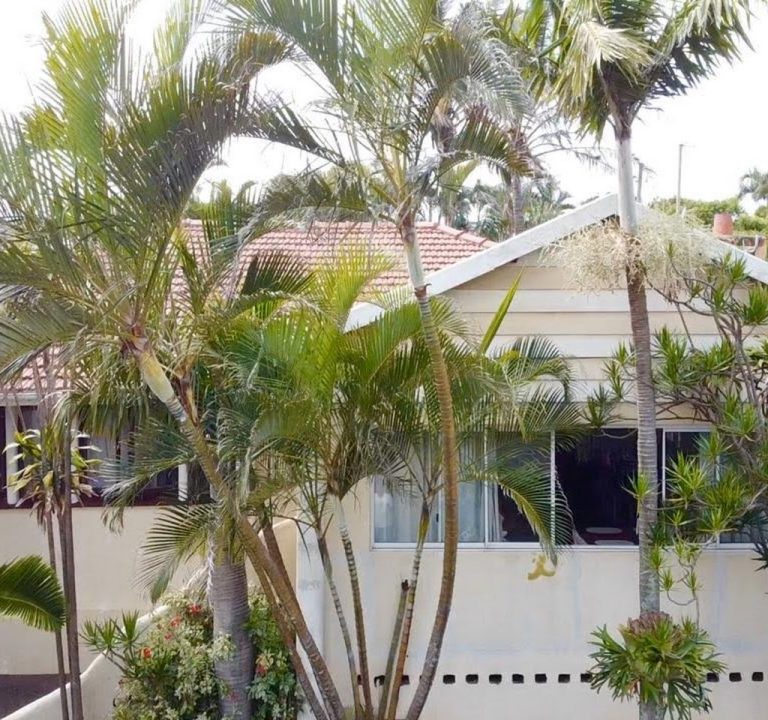
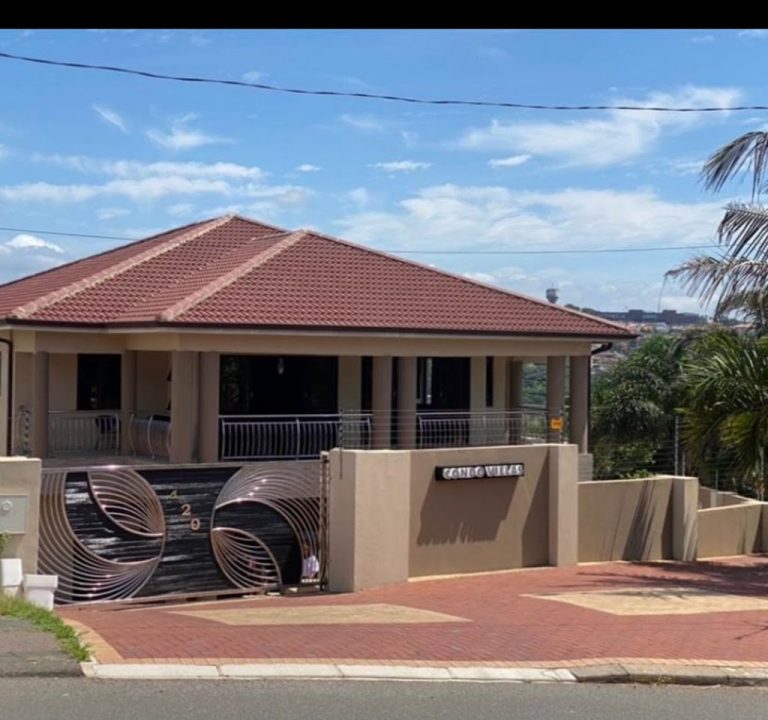
If you’re seeking a sample Durban experience from a guesthouse base, consider a stay in a well‑located guesthouse such as Le Marine Guesthouse, which embodies the hospitality style typical of Durban’s guesthouses. While specifics about individual properties vary, many such places offer a personal touch, reliable breakfast options, garden settings, and convenient access to major routes toward the coast, city sights, and nearby towns. For planning inspiration and practical details, you can explore Durban’s official tourism resources and local visitor guides at websites such as Durban tourism portals and KwaZulu‑Natal tourism information sites.
To help you plan, here are some practical starting points for researching your stay:
- Check area guides that explain Berea, Umhlanga, and central Durban neighbourhoods, noting typical vibes, dining clusters, and transport links.
- Read guesthouse and BnB profiles for host recommendations on local markets, beaches with lifeguards, and safe evening routes.
- Review the amenities list for self‑catering facilities, parking, and on-site dining options.
- Look for flexible booking terms and clear housekeeping practices, especially if your plans may change.
- Consult official Durban and KwaZulu‑Natal tourism pages for seasonal events and suggested day trips.
Durban’s warmth extends beyond its weather; it comes from its people, its accessible beaches, and the easy pace that invites you to explore and linger. With thoughtful accommodation choices and a plan tailored to your interests, your Durban stay can blend seaside relaxation with authentic experiences and convenient access to the region’s natural beauty and cultural richness.