Durban: Stay, sights and practical tips for travellers
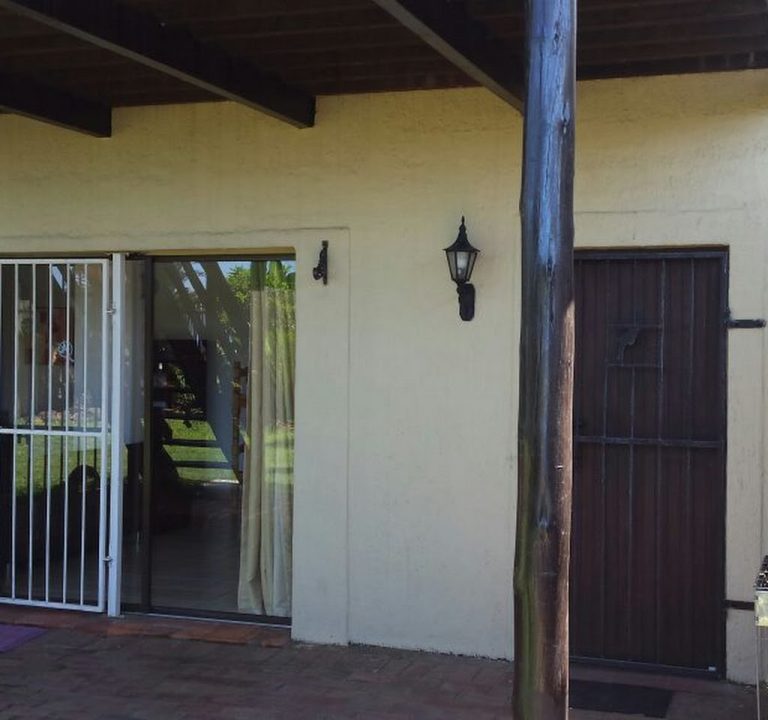
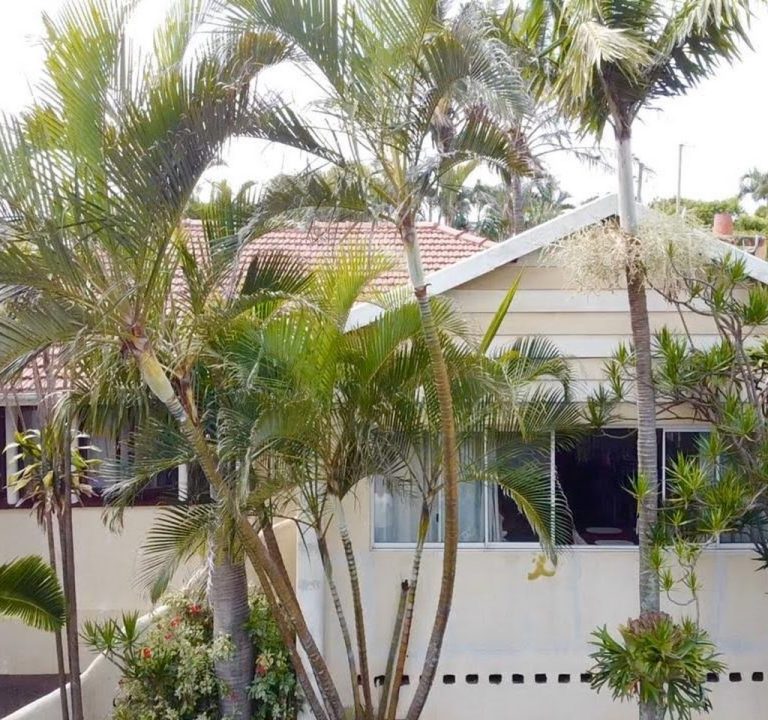
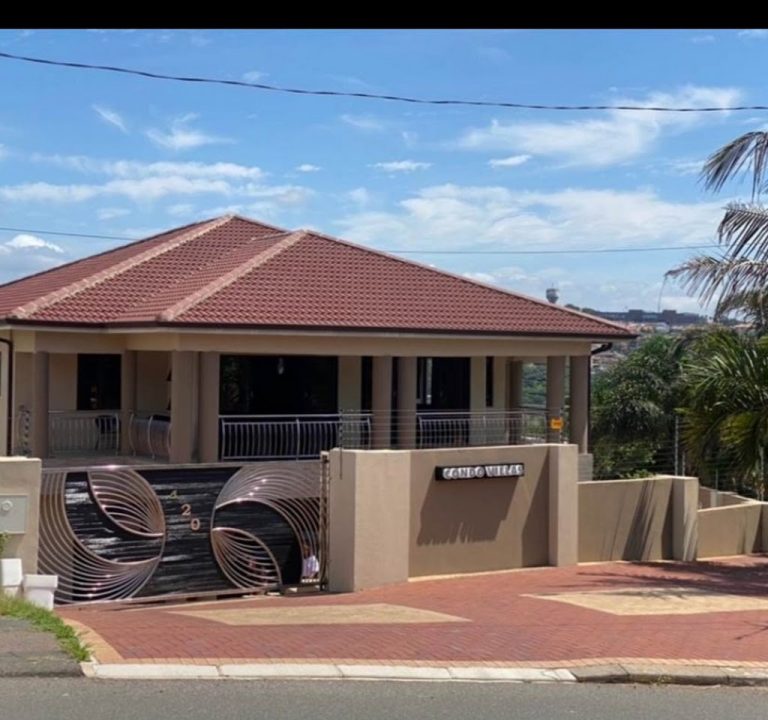
Durban in KwaZulu-Natal offers a warm welcome, a golden coastline and a mix of cultural attractions that suit family holidays, romantic breaks or short city getaways. When planning a stay, consider the neighbouring precincts and the pace you want from a Durban visit. The city’s guest houses and small hotels can provide a comfortable home base from which to explore the beachfront, colonial streets, and inland landscapes. Palmnut Lodge, a well-regarded guest house in the area, exemplifies the kind of personal service and homely atmosphere that many visitors value in Durban.
Durban has several distinct neighbourhoods that are popular with visitors. The beachfront stretch along the Golden Mile is convenient for beach walks, sunrise swims and easy access to seaside cafés. The Berea and Greyville areas are close to the central city and transport hubs, while Glenwood and Musgrave offer leafy streets, culinary variety and a short hop to museums and galleries. uMhlanga Rocks, a little further north, is renowned for broad sandy beaches and a cluster of modern lodgings, making it ideal for couples and families who want a quieter beach experience with day trips to the surrounding natural beauty.
When choosing accommodation, think about proximity to the activities you plan. If you want to spend long days on the beach or exploring the harbourfront, a place near the promenade is convenient. If you anticipate long afternoons in galleries, markets or a major shopping centre, a central location with straightforward taxi or rideshare access may be more practical. For travellers who prefer a compact base with good on-site amenities, a guest house like Palmnut Lodge may offer inclusive breakfast, secure parking and a friendly, locally informed perspective on places to visit.
What to look for when booking includes reliable housekeeping and flexible check-in policies, comfortable rooms with adequate lighting and storage, and practical facilities such as air conditioning or ceiling fans for Durban’s warm climate. A well-rated guest house should provide wholesome breakfast options, reliable Wi‑Fi, and secure parking or easy street access for vehicles. If you’re planning a longer stay, ask about laundry facilities, kitchen access for light self-catering, and any partnerships with local tour operators for authentic day trips.
Typical amenities you might encounter include a private or en-suite bathroom, fresh linens, bottled or filtered water, and a cosy communal area for socialising or planning day trips. Pools and shaded outdoor spaces are common in warmer months, while some properties offer terraces with views of the sea or harbour. Parking on-site is a practical perk in Durban’s busy tourist zones, and many guest houses arrange airport or station transfers for guests who prefer not to drive on arrival.
Transport in Durban is relatively straightforward, with options ranging from car hire and rideshare services to local buses and the popular MyCiTi network near central spots. If you’re staying near the beachfront, you’ll likely be within walking distance of cafés and markets, with a ride to inland attractions or longer excursions taking roughly 15–30 minutes depending on traffic. An organised day trip can be a comfortable alternative to navigating unfamiliar routes, especially if you want to visit inland parks, viewpoints or cultural sites outside the city centre.
The best time to visit Durban is when the city is basked in warm weather and lush coastal greenery. Summers bring sunny days and occasional tropical showers, while winters are mild and comfortable for outdoor activities. Shoulder seasons can offer quieter streets and better value, with pleasant temperatures suitable for beach walks, golf or garden visits. If you’re planning a beach break or a family holiday, arrange travel around daylight hours and planned activities to maximise your time outdoors.
Practical tips to help you plan your Durban itinerary:
- Book accommodation with easy beach access or close to your preferred neighbourhood to minimise daily transfers.
- Check options for breakfast inclusion or nearby cafés to start the day well rested.
- Consider a mix of coastal days and inland excursions to balance relaxation with cultural experiences.
- Pack sun protection, light layers for evenings, and comfortable footwear for walking on varied surfaces.
- Use reputable transport options or pre-arranged transfers if you are unfamiliar with the city layout.
Durban offers a wide range of dining options, from casual beachside eateries to more refined restaurants that celebrate the region’s diverse flavours. Visitors can explore seafood courtyards, Indian-influenced curries and modern dishes inspired by coastal produce. While this guide does not list specific restaurant names or prices, you will find several venues along the beachfront, in bustling markets and within central districts that emphasise fresh ingredients and warm hospitality. A flexible itinerary allows you to sample a mix of casual cafés for light lunches and more substantial meals after a day of sightseeing.
In addition to beaches, consider a relaxed harbour stroll, a visit to a botanical garden, or a river or hill excursion to appreciate the region’s natural beauty. Durban’s cultural influences are reflected in markets, craft stalls and story-filled galleries, making day trips as engaging as long beach days. With its comfortable guest houses, friendly communities and a coastline that lends itself to easy exploration, Durban makes a welcoming base for visitors seeking a varied South African experience.