Durban, KwaZulu-Natal: where to stay, eat and explore
Durban is a vibrant beachfront city that blends subtropical climate with rich cultural heritage. When planning a stay, travellers often weigh neighbourhoods by access to the coast, easy transport links, and the character of the streets. Whether you favour a bright, modern apartment on the Golden Mile, a tranquil guest house tucked away in leafy residential streets, or a boutique hotel in the central business district, Durban offers options that suit a range of itineraries and budgets.
When choosing accommodation, consider what you want to be close to. For days spent mostly by the sea or along the promenade, staying on the beachfront or near the Golden Mile makes sense. If you want a strong neighbourhood dining scene and easy access to museums and markets, the Morningside, Berea or Durban Central areas can be convenient. Families often prefer properties with easy access to beaches and parks, while solo travellers may prioritise proximity to public transit and popular nightlife hubs. Durban’s climate means many places are comfortable year-round, but the best balance of sunshine and greenery tends to occur in the late spring and early autumn months.
Typical amenities to look for include reliable air conditioning, as Durban can be warm and humid, especially in summer. A well-equipped kitchen or kitchenette is handy for longer stays, and free parking or easy street parking can be a major plus if you plan to hire a car. Check whether the property offers Wi-Fi, laundry facilities, and clear notes on access hours, especially if you are arriving late. Many guest houses and smaller hotels will include a continental breakfast or access to a communal kitchen. For those seeking a sense of place, a host who can provide local tips or arrange guided experiences can elevate the stay.
Transport is straightforward but varies by district. The beachfront zones are pedestrian-friendly with short walks to cafes and markets, yet taxis, ridesharing apps, and rental cars are common choices for venturing to inland attractions or outlying suburbs. Durban’s main rail line and bus services connect to surrounding towns and inland villages, which can be convenient for day trips to the valleys, hills and wildlife reserves nearby. If you plan to explore outside the city, a car is often the simplest option, though guided tours are a good way to cover key sights without logistics concerns.
Best time to visit Durban combines beach weather with comfortable crowds. December to February brings hot days and lively coastal activity, while March and April offer milder temperatures and quieter streets. June to August are cooler and dry, with comfortable days for exploring the city’s parks and markets. Even in the cooler months, the climate remains conducive to outdoor activities, though sea swimming may be briefer, and you’ll want a light jacket for evening strolls along the promenade.
Durban is renowned for its multicultural flavour and a diverse dining scene. In general terms, you can expect a strong emphasis on seafood, South African barbecue, and Indian-influenced curries, often enjoyed in casual eateries and vibrant food markets. For a well-rounded visit, plan to explore a handful of highlighted districts where casual eateries sit alongside more refined dining rooms. Many visitors also enjoy stopping by markets or harbourfront venues for fresh, seasonal fare and street snacks. Roving food experiences, whether a guided walk or a curated tasting, can be an excellent way to sample a variety of flavours without committing to one long itinerary.
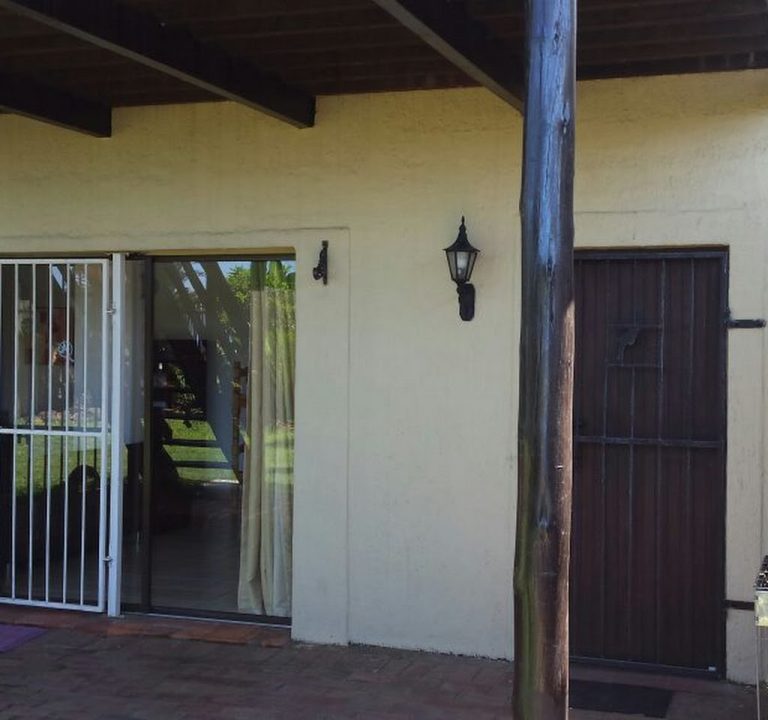
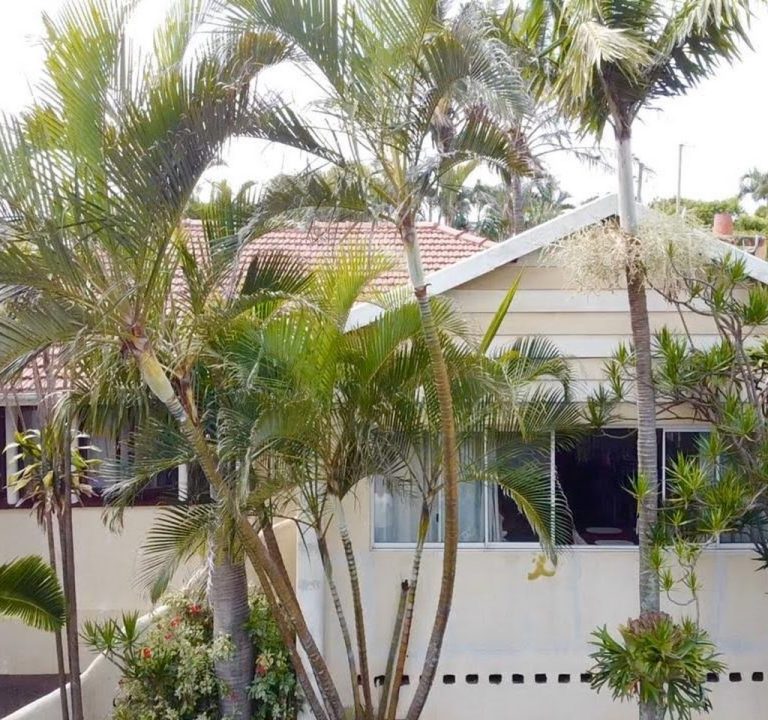
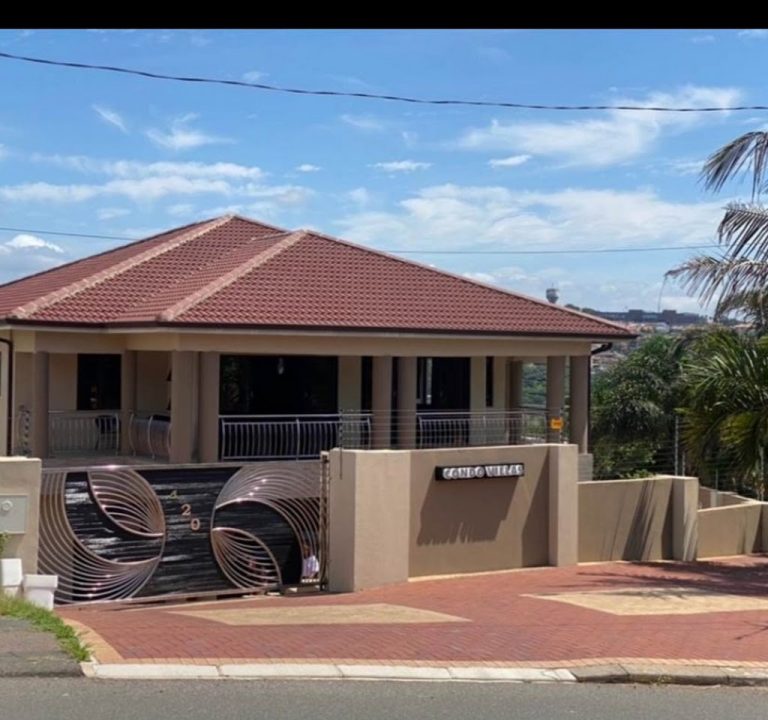
Accommodation types offer different advantages for planning time in Durban. Guest houses and B&Bs in residential streets translate into a warm, local atmosphere with a personalised touch, while boutique hotels offer stylish interiors and often more predictable service standards. Self-catering units provide flexibility for families or longer stays, and larger hotels near the beachfront are convenient for those prioritising proximity to the sea and easy access to major attractions.
Practical planning tips to help you book with confidence:
- Define your priorities: beach access, neighbourhood atmosphere, or quick transit links to sights.
- Compare the inclusions: breakfast options, parking, housekeeping schedules, and whether there are shared facilities.
- Check accessibility and safety notes for the building and neighbourhood, especially if you are travelling with children or accessibility needs.
- Review transit options in the area and estimate travel times to key sites to avoid peak-hour delays.
- Look for properties with flexible cancellation policies in case plans change.
Durban's attractions span coastal beauty, nature and culture. Along the sea, long stretches of sandy beaches invite strolls and waterside picnics, with promenades that are ideal for sunrise or late-afternoon jogs. Inland, the surrounding valleys offer viewpoints, forested trails and opportunities to learn about the region’s history and communities. For families and culture enthusiasts, there are museums, galleries and immersive experiences that convey KwaZulu-Natal’s rich heritage in accessible, engaging ways. Dining experiences range from casual seaside cafés to lively eateries where friendly hospitality complements the vibrant flavours of the city.
If you are planning a longer stay, consider plotting a few day trips. The coastline is dotted with coastal towns and villages worth a gentle excursion, while the hills and valleys beyond the city provide scenic driving routes and quiet rural stops. A well-planned itinerary balances relaxation with exploration, so you can enjoy Durban’s hospitality, scenery and flavour without feeling rushed.