Durban, KwaZulu-Natal: A Practical Guide to Accommodation and Local Delights
Durban offers a warm subtropical welcome, with a coastline that invites long days on the beach and a cityscape that blends Indian-influenced culture with vibrant South African life. When planning a stay, consider areas that fit your style, from beachfront hospitality to convenient access to the city’s attractions and dining. Self‑catering options, guesthouses, hotels and lodges each have their own rhythm, and a well‑chosen base can make day trips, strolls along the promenade, or evenings in lively neighbourhoods seamless and enjoyable.
Areas to consider include coastal neighbourhoods along the Golden Mile, which often place you close to beaches, promenades and family‑friendly amenities. The Berea and Morningside offer a mix of boutique stays, cafés and easy access to central Durban, while Umhlanga Rocks provides a resort‑style atmosphere with newer hotels and a scenic coastal walk. For those seeking a more local experience close to markets and cultural sites, the city centre and nearby suburbs can be convenient bases, subject to personal comfort with urban access and parking arrangements. Each area has its own character and walking routes, so think about how you’ll get around and what you want to see each day.
When you book, look for practical amenities that support a smooth stay. A well‑equipped self‑catering property should offer a functional kitchen or kitchenette, dependable Wi‑Fi, secure access, and clear information about local transport options. If you’re travelling with family or group members, check for parking arrangements, number of bedrooms, and availability of laundry facilities. For longer stays, a property with comfortable living spaces, good natural light and a pleasant outdoor area can make a big difference. If you prefer social spaces, some lodging types provide shared lounges or communal kitchens, which can be convenient for meeting fellow travellers.
Transport is a central planning consideration in Durban. If you plan to explore beyond your base, a rental car offers the most flexibility, but many guests travel by rideshare or local taxis, and some areas are well served by bus routes or organised tours. If mobility is a factor, verify accessibility, proximity to major arterials, and the ease of reaching popular beaches or markets. In addition, ask about safe, well‑lit routes for evening walks and the availability of reliable, affordable transport after dark.
Durban’s climate is warm most of the year, with a wetter season in summer and milder winters. The best time for beach days tends to be late spring through summer, while autumn can bring pleasant temperatures for outdoor activities and city strolling. If you’re seeking calmer beaches and lower humidity, the cooler months can be a good alternative. Pack adaptable clothing for the changeable conditions, especially if you plan to venture into the hills or countryside outside the urban area.
Practical tips for a smooth stay:
- Read guest reviews carefully for insights on noise levels, cleanliness and how the host manages check‑in and check‑out.
- Check what’s included in the rate—some self‑catering properties provide basics such as coffee and tea, while others may offer more extensive kitchen provisions.
- Confirm cooking facilities, laundry access, and any shared spaces to avoid surprises during your stay.
- Ask about security features, such as gates or dedicated parking, especially in central or busy neighbourhoods.
- Plan a flexible itinerary that allows time for both beachfront strolls and visits to cultural or natural attractions nearby.
Around Durban, there are plentiful opportunities to sample a range of experiences. Beachside promenades invite morning jogs or gentle strolls at sunset, while markets and cultural centres offer a glimpse into the city’s diverse heritage. Visitors can expect a dining scene that reflects coastal flavours and multicultural influences, with a spectrum of casual cafés, family eateries and more refined dining rooms. It’s common to find menus featuring seafood, curry‑influenced dishes and modern takes on traditional fare, with many venues offering outdoor seating to enjoy the climate.
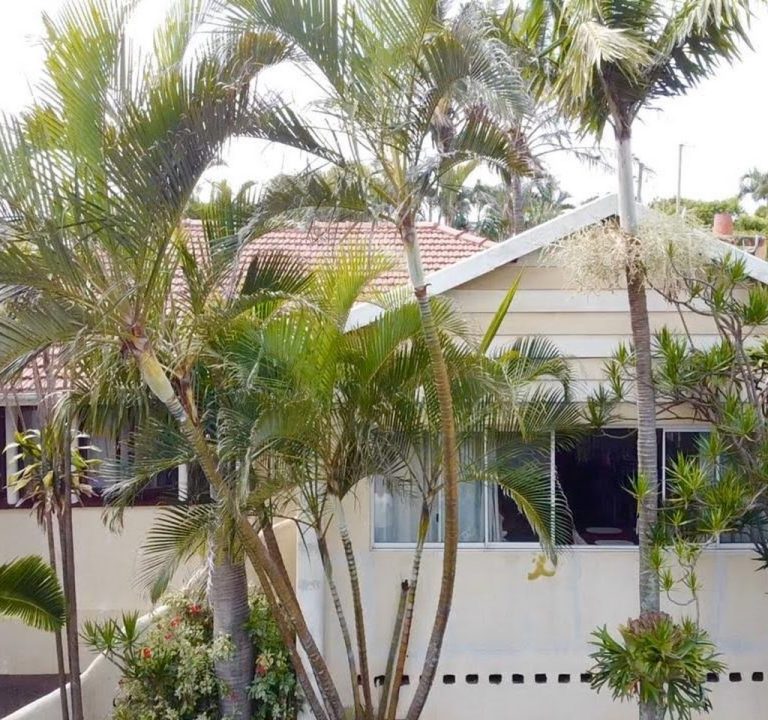
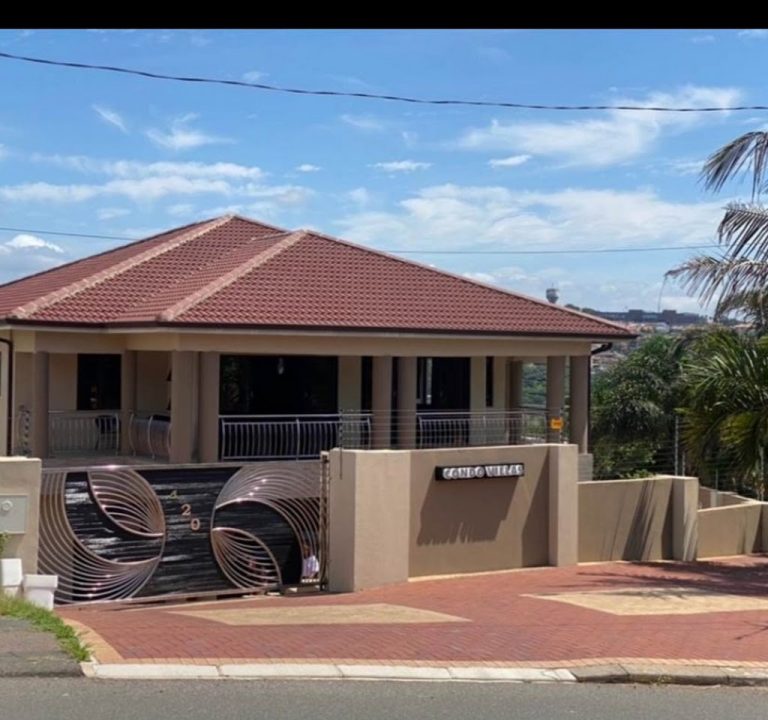
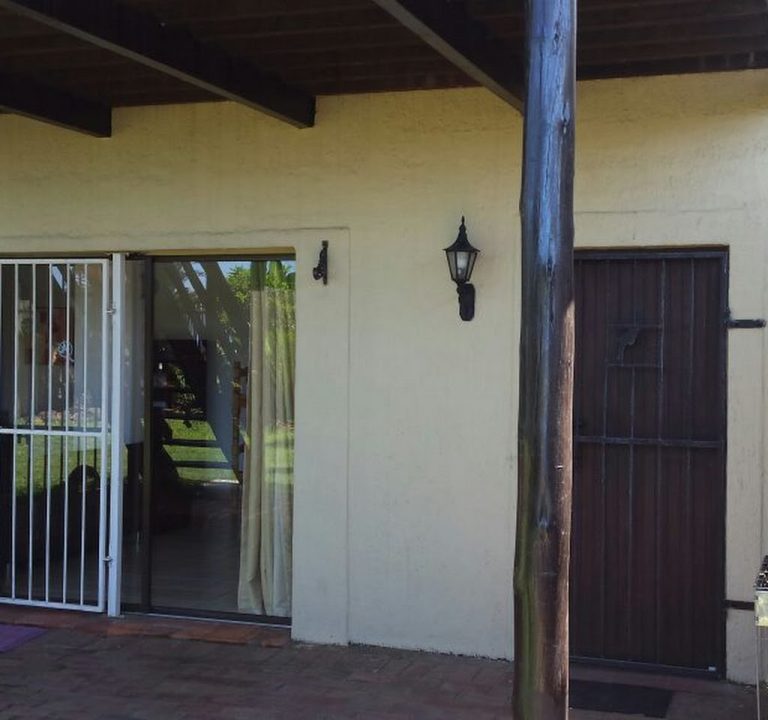
When planning a stay at a place such as Aloha House, a self‑catering option in Durban, the focus is on comfort, flexibility and a home‑like atmosphere. A well‑located self‑catering property can serve as a calm retreat after day trips to the city’s beaches, markets, or nature reserves. Consider how this kind of accommodation suits your travel style—whether you value a fully equipped kitchen for home‑cooked meals, a private entrance for privacy, or easy access to nearby transport links for exploring further afield.
Durban is also a gateway to a broader KwaZulu‑Natal experience. Day trips can be planned to scenic hills, wildlife reserves and other coastal towns, with the knowledge that return journeys will be straightforward from well‑connected bases. For planning resources, you can consult Durban’s official tourism information or trusted travel sites to identify general recommendations on routes, timing and seasonal highlights. A useful starting point for ideas and practical planning is online visitor information, including city and regional guides, which often feature suggested itineraries, maps and tips for getting around.
For more ideas, practical planning and inspiration, you can explore reputable tourism or travel resources online. Consider also visiting official city or regional pages to keep up to date with any local advisories, events or seasonal nuances that might influence your stay. Durban’s welcoming atmosphere, warm hospitality and diverse experiences make it an appealing choice for a coastal break or a longer South African itinerary.