Accommodation and Getting the Most from Your Stay in Cape Town, Western Cape
Cape Town is a city of contrasts, where dramatic natural scenery meets vibrant neighbourhoods and world‑class dining. When planning a stay, consider placing your base in one of several key areas, each offering a different atmosphere and access to iconic sights. The City Bowl around the central business district gives you easy access to museums, markets and nightlife. The Atlantic Seaboard, including Clifton and Camps Bay, provides spectacular coastal views and a beach‑forward vibe. Constantia offers leafy, wine‑country tranquillity just inland, while Woodstock and Observatory bring hip cafés, live music and creative energy. For a practical stay with a touch of luxury, boutique hotels and guesthouses in Gardens or Tamboerskloof offer greenery and walkability, often within easy reach of the V&A Waterfront and central attractions.
When choosing accommodation, think about accessibility and how you’ll get around. Cape Town’s hills and coastal routes are best navigated with a vehicle, but many areas are well served by public transport and ride‑hailing services. If you plan day trips to the Cape Peninsula or Stellenbosch and Constantia wine routes, a central base with reliable parking or easy access to transport hubs can save time. For those who prefer car‑less stays, look for properties that arrange tours or provide a shuttle to major sights. Some boutique hotels and guesthouses will offer curated experiences, from sunrise drives to guided neighbourhood walks, which can enhance your trip without much planning on your part.
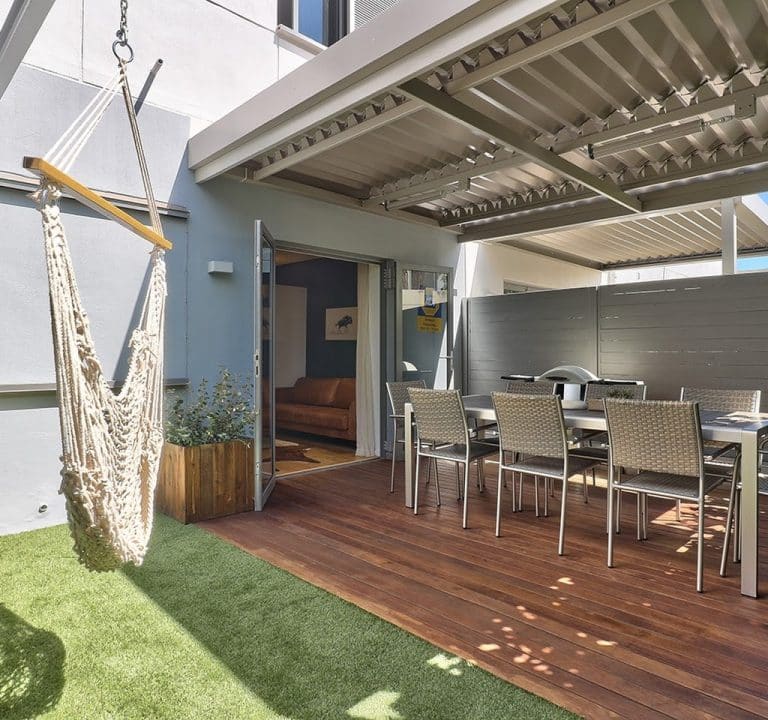
Typical amenities you can expect include comfortable en suite rooms, thoughtful personal touches, free Wi‑Fi, and options for breakfast either on‑site or close by. Many boutique properties provide stylish common areas, outdoor spaces with views, and attentive service that helps you plan daily activities. Look for guesthouses and hotels that emphasise guest safety, clean daily housekeeping, secure parking (if you drive), and clear information about access to nearby beaches, markets, and short scenic walks. If you’re travelling with family or a group, check configurations such as interconnecting rooms or suites with kitchenettes. For longer stays or business trips, properties that offer flexible cancellation policies, late check‑in options, and a reputable front desk can be particularly valuable.
Best time to visit Cape Town varies with weather and crowds. Spring (September to November) brings blooming gardens and milder days, while autumn (March to May) offers pleasant temperatures and thinner crowds. Summer (December to February) is peak season, with busy beaches and longer daylight hours, so book well in advance. Winter (June to August) is cooler and windier, but the city often hosts cultural events and indoor attractions. If you’re seeking a balance of outdoor activities and good value, shoulder seasons can be ideal for exploring Table Mountain, the Cape Point reserve, and the Cape Winelands without the peak‑season rush.
When planning daily itineraries, mix nature, culture, and dining. Iconic natural experiences include hiking routes up Table Mountain (via Platteklip Gorge or the aerial cableway, depending on weather and fitness), a cable car ride to enjoy panoramic views, and coastal walks along the Atlantic Seaboard. Cultural highlights span the colourful Bo‑Kaap neighbourhood, historical sites related to the country’s past, and contemporary art spaces in Woodstock and the CBD. For wildlife and scenery, a visit to the Cape Peninsula’s coast, the Cape Point reserve, and nearby penguin colonies can be rewarding day trips. If you’re keen on exploring marine life, consider guided boat trips or dedicated conservation‑minded tours that emphasise responsible viewing and education rather than crowds.
Food lovers will find Cape Town’s dining scene diverse, from casual eateries near the harbour to fine dining establishments overlooking the ocean. Across areas, you’ll discover markets with fresh produce, artisanal goods, and street‑food favourites. Many restaurants focus on seasonal ingredients and modern takes on regional flavours, while hotels and guesthouses often offer on‑site dining or partnerships with nearby bistros and cafés. For those who like to plan ahead, it’s wise to check whether venues require reservations, particularly for popular weekends and seasonal menus. If you’d prefer a put‑together plan, many accommodation providers can arrange dining recommendations or tailor a itinerary to suit your tastes and budget.
Practical planning tips to help you get the most from your stay:
- Book early for peak periods and major events to secure rooms in preferred areas.
- Signal your arrival times clearly to your host or concierge to streamline check‑in and any transfers from the airport or train station.
- Ask about security and parking arrangements if you’re driving, especially in busy urban districts.
- Request information on local transport options, including MyCiTi bus routes, rail links, and trusted ride‑hailing services.
- Consider a mixing of accommodation types (one night in a beachfront property, another in a central boutique hotel) to experience different facets of the city.
- Look for properties with flexible cancellation policies and transparent terms, particularly if your plans may shift.
- Explore local experiences and guided tours offered by your host or hotel—these can provide insider tips and save you planning time.
- For design lovers or first‑time visitors, a stay in a classic or well‑located boutique hotel can offer a sense of place and a curated introduction to Cape Town’s neighbourhoods.
One example of the range of options available is Kensington Place, a boutique hotel in the Gardens area that offers stylish accommodation and easy access to urban sights while retaining a peaceful, intimate ambiance. More information and current details can be found on their website: Kensington Place.
With its mix of spectacular scenery, cultural experiences and friendly hospitality, Cape Town rewards thoughtful planning and a flexible approach to where you stay. By balancing location, amenities, and the pace of your itinerary, you can tailor a trip that feels crafted and relaxed, making the most of this remarkable corner of the Western Cape.