Accommodation and Attractions in Cape Town: Planning a Memorable Stay
Cape Town, set between the ocean and the mountain, offers a rich mix of self-catering options, boutique guesthouses, lodges and hotel stays that suit every traveller. Whether you're seeking a stylish apartment with city views, a cosy coastal retreat, or a spacious house for a family, the best approach is to plan around the neighbourhood, likes and needs, and how you want to move about the city. A well-chosen base can make the difference between a rushed visit and a truly relaxed Cape Town experience.
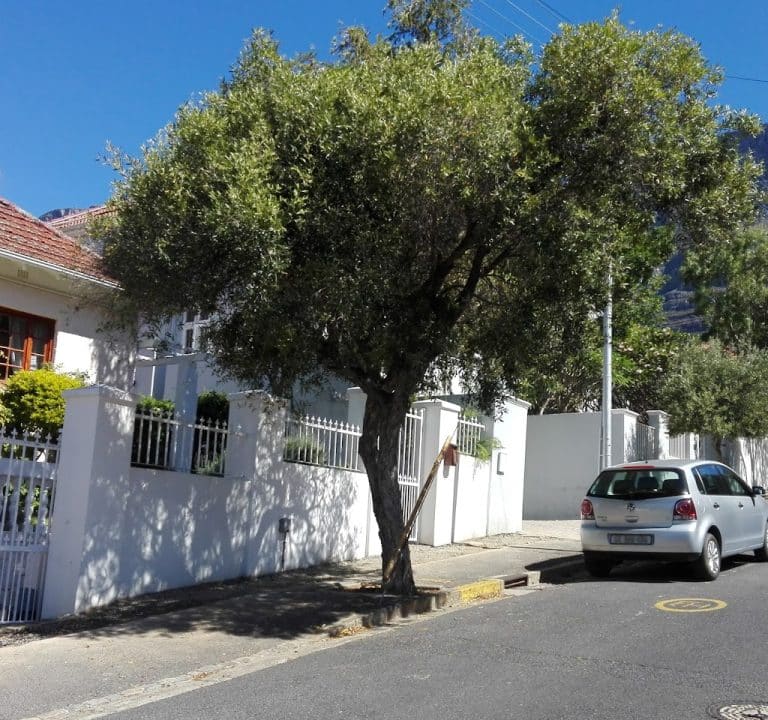
Consider the main areas when booking your stay. The Atlantic Seaboard (including areas such as Camps Bay, Clifton and neighbouring suburbs) is renowned for beaches, dramatic sunsets and glamorous dining scenes, with many properties offering sea views and easy access to coastal walks. The City Bowl and Table Mountain neighbourhoods sit close to the city’s cultural heart, with easy access to museums, markets and the Cableway. Constantia and the southern suburbs provide leafy streets, wine estates and quieter residential vibes, ideal for travellers who want space and a slower pace. For those craving a blend of urban life and harbour views, the V&A Waterfront area remains a convenient hub for arriving travellers and day trips to the Cape Peninsula.
When choosing accommodation, look closely at several practical factors:
- Self-catering amenities: a well-equipped kitchen, laundry facilities and seating areas can greatly ease longer stays.
- Security and parking: verify access control, on-site parking or safe street options, especially if you plan to hire a car.
- Wi‑Fi and work space: if you need to stay connected, check the signal strength and whether there is a dedicated work area.
- Ventilation and climate control: Cape Town can be warm in summer and cool in winter; air conditioning or fans can improve comfort.
- Proximity to transport: ease of access to MyCiTi bus routes, Uber or taxi services, and whether the property offers transfer arrangements.
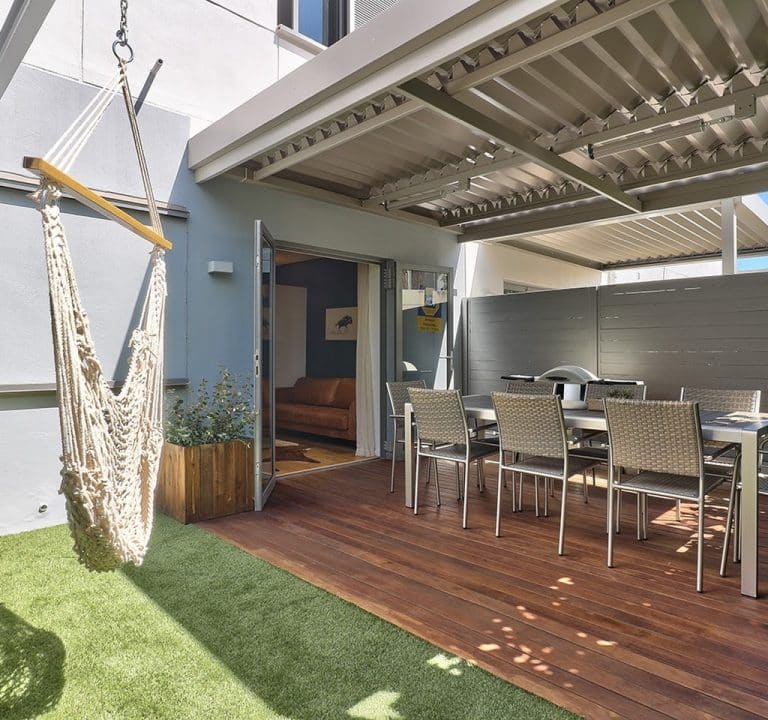
Typical features you might encounter in accommodation ranges from practical to indulgent. Self-catering units often include a private or shared kitchen, a lounge area, and a dining space, with essentials such as fresh towels and weekly housekeeping. Boutique guesthouses may provide breakfast or a light self-serve setup, while some lodges offer curated experiences and on-site facilities like a pool, outdoor terraces, or braai (barbecue) areas. If staying in a larger apartment or house, you’ll often find generous living space, multiple bedrooms, and secure parking. Always check the property details for accessibility features, pet policies, and the availability of late check-in arrangements if your arrival time is flexible.
Booking with a clear plan helps you navigate the city’s logistics. For example, if your plan is to spend mornings on Table Mountain or Kirstenbosch, a stay closer to the City Bowl or the central coast might reduce travel time. If beach days and sunset drives are your priority, look for properties with easy access to coastal roads and scenic viewpoints. Remember that Cape Town’s traffic can vary with the season and time of day, so a little extra travel time is a wise precaution.
Transport options are worth weighing before you arrive. The MyCiTi bus network offers affordable urban travel, while Uber and other ride-hailing services are widely available. If your itinerary includes wine estates or distant beaches, consider renting a car for flexibility. Some guesthouses and lodges can arrange airport transfers or in-house shuttles, so it’s worth asking during booking. A well-located base can cut down on daily planning and give you more time for experiences.
The best time to visit Cape Town depends on what you want from the trip. December to February brings warm summer weather and lively outdoor activity, while March to May offers pleasant shoulder-season conditions with fewer crowds. The city’s mountain landscapes and coastal routes are particularly dramatic in spring. If you’re keen on whale-watching, plan for the winter months along the False Bay coastline. Remember that water restrictions and seasonal wind patterns can influence outdoor plans, so have a flexible itinerary.
When it comes to attractions and experiences, Cape Town offers a broad spectrum. Iconic sights lie close to the city and surrounding hills, from cable-car ascents of Table Mountain to panoramic coastal drives. Cultural neighbourhoods, markets, and restaurants showcase a blend of contemporary cuisine and traditional flavours. To tailor your days, craft a mix of natural exploration, city heritage, and people-friendly experiences—from scenic viewpoints and walking trails to artisan markets and waterfront perspectives. For food lovers, look for eateries that celebrate local produce, seafood and farm-to-table dining in beach-adjacent districts or chic city quarters.
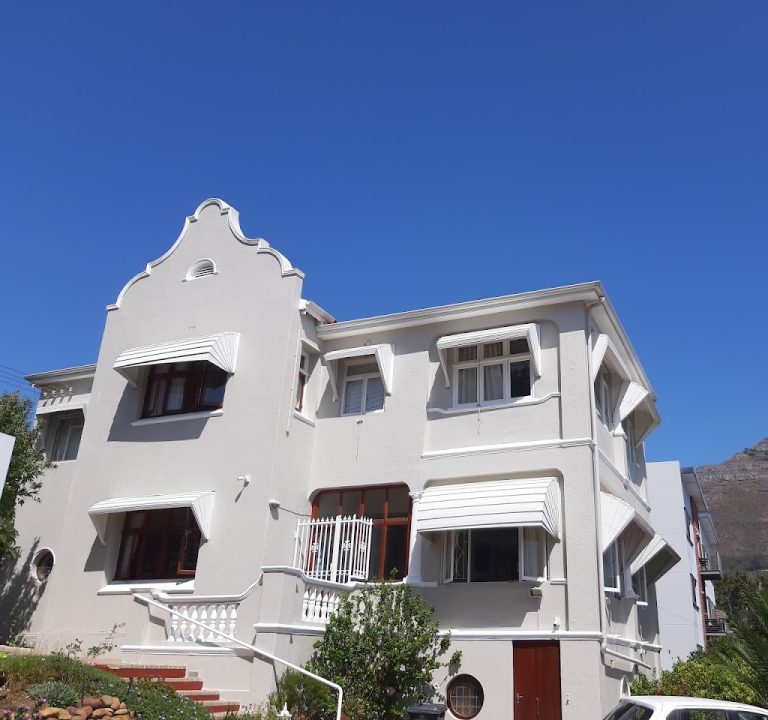
If you are planning a stay at Amber Place Luxury Accommodation, a self-catering option noted for its comfortable design and convenient location, you may wish to explore its online information for ideas on a well-equipped home base during your Cape Town adventure. For more details about this or similar stays, visit the property’s website: https://www.amber-place.co.za/
No matter where you stay, Cape Town rewards curious travellers with a balance of scenic drives, outdoor adventures, and welcoming hospitality. A well-chosen base lets you wake up in a new setting each day—whether you’re enjoying a sunrise from a terrace, planning a day of hiking, or dining beneath the city lights. With thoughtful planning around neighbourhoods, amenities, and transport, you can tailor a visit that feels both enriching and relaxed.