Discovering Cape Town: Accommodation and Experiences for a Memorable Stay
Cape Town is a destination that rewards careful planning with a mix of spectacular scenery, vibrant neighbourhoods and a hospitality scene that ranges from cosy self-catering retreats to boutique guesthouses and stylish hotels. Whether you are seeking sea views, mountain access, or a quieter residential vibe, the city offers options that can shape a comfortable, convenient and memorable stay.
When choosing where to base yourself, consider the atmosphere you want and how you plan to move around. The City Bowl places you close to historic streets, museums and markets, with easy access to table-top views, cafés and nightlife. Green Point and the V&A Waterfront blend harbour energy with modern conveniences and broad transport links. Camps Bay and Clifton bring coastal glamour and dramatic sunsets, while Constantia and the southern suburbs offer leafy tranquillity and easy access to wine estates. For urban design enthusiasts and food lovers, areas such as Woodstock and Observatory deliver a creative edge with convenient transport connections to the city centre.
Booking considerations should focus on practical conveniences and the lay of the land. Look for clear descriptions of bed configurations, self-catering facilities, laundry services, and Wi‑Fi reliability. If you plan day trips or early starts for Table Mountain or Robben Island, check whether your accommodation offers easy access to planned excursions or a nearby hub for organised tours. Safety, on-site parking or easy street parking, and 24‑hour reception or security can influence your comfort level, especially if you are travelling with family or a group. Being clear about check-in times, cancellation policies and any additional charges for utilities or housekeeping will save misunderstandings later.
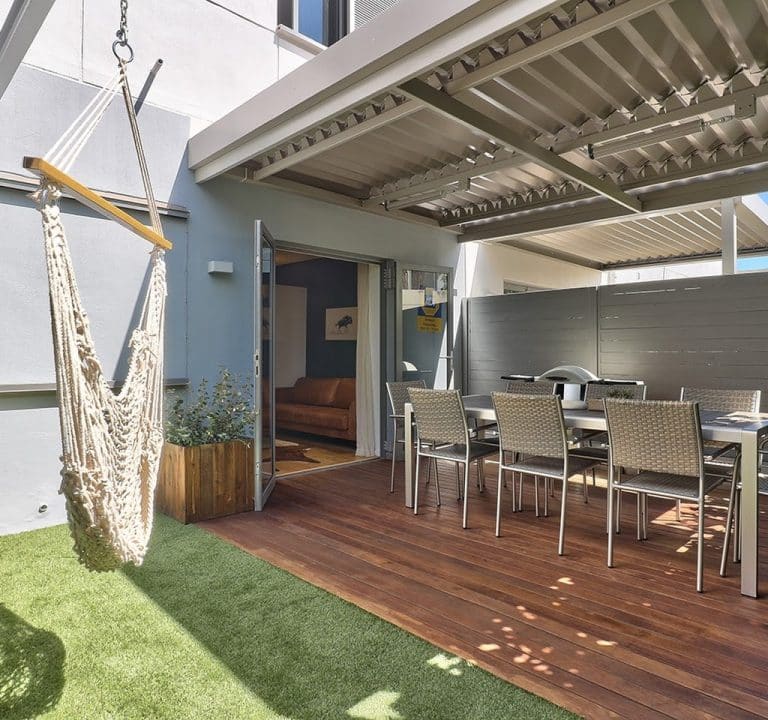
Typical amenities across Cape Town’s accommodation spectrum include well-equipped kitchens or kitchenettes, pooled or private outdoor spaces, and climate control to cope with seasonal shifts. A reliable internet connection is often essential for planning activities, researching day trips, and staying in touch. For families, apartments or self-catering units with separate bedrooms and enclosed spaces can provide the most convenient and value-for-money option. If you cannot resist a touch of pampering, many boutique properties and guesthouses offer personalised service, local tips, and personalised itineraries that help you weave in the must-see experiences with downtime to relax.
Transport around Cape Town is straightforward, though the most suitable option varies by area. The MyCiTi bus network covers many routes between the central city, the Atlantic seaboard and southern suburbs, offering an affordable and straightforward way to hop between sights. Uber and other ride-hailing services provide flexibility for evenings out or early starts, while car rental can be convenient for exploring beyond the city bowl, such as the Cape Winelands, penguin colonies along the coast, or coastal drives along Chapmans Peak. If you plan to drive the scenic routes, allow extra time for mountain passes and busy coastal roads, and be mindful of peak traffic in the central districts, especially on weekends and holidays.
The best time to visit Cape Town depends on what you want from your trip. Spring (September to November) brings wildflowers and milder temperatures, while autumn (March to May) offers pleasant weather for outdoor activities and fewer crowds. Summer (December to February) delivers long days, beaches and outdoor markets, but can be busy. Winter (June to August) brings cooler, wetter weather but can be excellent for indoor experiences, museum visits and a calmer pace. No matter the season, it is wise to book well in advance for peak periods such as school holidays and major events, and to have a flexible plan in case of wind on the Table Mountain cableway or weather-related closures on outdoor attractions.
For ideas on what to see and do, plan a balanced mix of nature, culture and cuisine. Iconic viewpoints on the iconic Table Mountain and the Atlantic coastline offer dramatic backdrops for photos and strolls. Robben Island, the District Six Museum and the two oceans restaurant precincts provide windows into the city’s history and culinary evolution, while Kirstenbosch National Botanical Garden and the Atlantic Seaboard parks offer space to unwind among gardens and waves. A day trip to the Cape Winelands, with its historic estates and sweeping landscapes, is a popular complement to city life, while neighbourhoods with markets and eateries invite you to sample Cape flavours in relaxed settings.
When choosing a place to stay, consider a short checklist to help you plan efficiently:
- Location relative to planned activities and transport hubs
- Self-catering facilities, laundry, and daily housekeeping options
- Reliable Wi‑Fi, air conditioning or heating, and secure access
- Clear cancellation policies and any extra charges for parking or utilities
- Proximity to safe, well-lit routes for evening strolls and nearby shops or eateries
Practical tips to make the most of your Cape Town visit include keeping an adaptable attitude toward open hours and weather, carrying sunscreen and a light jacket for coastal winds, and planning meals around local markets and casual eateries that showcase regional produce. Respect for local communities in historic neighbourhoods, particularly those with cultural significance, enhances both safety and the quality of your experience. Finally, build in some downtime to simply enjoy the views—Cape Town’s natural beauty often has a quiet way of recharging even the most ambitious itineraries.