Accommodations and experiences for a memorable Cape Town stay
Cape Town offers a diverse tapestry of places to rest your head, from intimate boutique hideaways to family-friendly guesthouses and stylish city-centre hotels. When planning a stay, it helps to think about what you want from a neighbourhood: ocean views and easy beach access, historic streets and cafés within walking distance, or a quieter hillside retreat with sweeping vistas. The Western Cape’s mix of scenery, culture and cuisine makes Cape Town a city where your lodging can shape your daily rhythm as much as the attractions themselves.
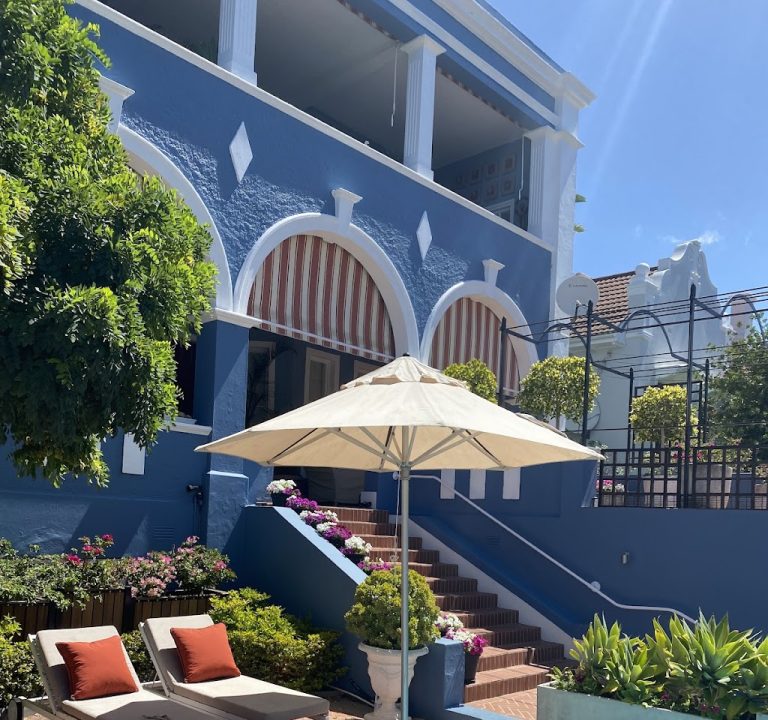
One Kensington Boutique Hotel is an example of a city-centre boutique option that blends proximity to the buzz of the city with a sense of personal service. While researching, consider how much space you need, whether you prefer self‑catering facilities, and what sort of ambience suits your trip—sleek modern comfort, classic colonial charm, or a contemporary design with vibrant local flavour. Booking early during peak seasons is wise, but Cape Town’s shoulder periods can offer excellent value and lighter crowds without compromising on accessibility to major sights.
Areas to consider, and what they offer:
- City Bowl and the central business district: great for nightlife, restaurants, galleries, and quick access to the historic Bo-Kaap streets and iconic viewpoints.
- Waterfront and the V&A District: ideal for family-friendly stays with easy harbour walks, museums and a promenade atmosphere, paired with dining options and quality actvities nearby.
- Atlantic Seaboard (Camps Bay, Clifton, Bantry Bay): known for beaches, sunsets, and chic beachfront dining; perfect for a resort-like vibe within easy reach of the city.
- Green Point and Sea Point: a lively, well-connected area with parks, cafés and a broad promenade for walks along the coast.
- Constantia and the Southern Suburbs: quiet residential streets, leafy scenery and easy access to wine routes and restaurants in a countryside-adjacent setting.
Typical amenities to look for include reliable Wi-Fi, secure access, daily housekeeping, and flexible dining options. If you anticipate longer stays, you may value in-room kitchens or guest facilities such as a small kitchenette, laundry services, and parking. Consider transport connections: a property close to MyCiTi bus routes, a train line, or with on-site parking can simplify daily exploring. Some lodgings offer transfers or staff-selected itineraries for day trips, which can take the stress out of planning.
Planning your itinerary around Cape Town’s standout sights helps you pace your visit. A few broad categories of experiences to keep in mind include:
- Natural beauty and outdoor adventures, from a ride up Table Mountain to coastal walks and nearby nature reserves.
- Historic and cultural sites, such as districts with museum collections, markets, and neighbourhood architecture.
- Food and drink experiences, including casual harbour-side eateries, iconic seaside cafés, and fine dining that showcases Cape Peninsula produce.
- Wine and scenery, with day trips to Constantia or nearby Stellenbosch and Franschhoek wine routes for wine-tasting with breathtaking views.
Best time to visit Cape Town generally falls in the spring and autumn shoulder seasons (roughly late February to April and October to November), when the weather remains pleasant, rays of sun are gentler, and crowds are more manageable. Winter (June to August) brings cooler, sometimes showery days, while summer (December to February) is bright and lively, perfect for beach time and outdoor markets, but can be busier and more variable in terms of weather. Always check a few days ahead for local conditions, especially if you plan outdoor pursuits or coastal activities.
Practical tips to help you enjoy a smooth stay:
- Book accommodation with a clear cancellation policy, especially around peak times or if you are combining city days with longer drives or day trips.
- Factor travel time into your plans. The city and its surrounds are beautiful but can involve traffic at peak hours, and coastal routes may be slower when the tide is high or during windy days.
- Pack adaptable clothing: Cape Town’s coastal climate can shift quickly, so layering is wise for mornings, evenings, and marine fog that may roll in on certain days.
- Respect local safety guidelines and keep valuables secure, particularly in busy tourist areas; using hotel safes and avoiding displaying high-value items in public spaces is sensible.
- Mix self-guided exploration with guided experiences. Many visitors appreciate small-group tours or coastal walks that provide context about the city’s history, geology, and maritime heritage.
- When choosing restaurants, look for places that source ingredients locally and offer a range of dietary options. A balanced plan might include a casual harbour-side meal, a stylish dining room, and a relaxed café for coffee breaks between sightseeing.
- Consult official tourism resources for current events, markets, and seasonal activities. A reputable online resource can help you align your days with what’s open and what events may be happening during your stay: Cape Town Tourism.
Whether you are drawn to scenic beaches, a lively urban precinct, or a tranquil hillside retreat, Cape Town’s accommodation options are diverse enough to support almost any travel style. With thoughtful planning around neighbourhoods, amenities, and transport, your stay can become a comfortable launchpad for discovering the city’s natural beauty, history, and cuisine—without losing sight of a restful, homely base to return to each evening.