Accommodation and Experiences in Cape Town, Western Cape
Cape Town is a vibrant gateway to South Africa’s splendours, where a wide range of accommodation types sits beside world‑class attractions, varied dining and a rich tapestry of neighbourhoods. When planning a stay, think about what you want most from your trip—be it dramatic coastal scenery, access to mountains, a buzzing city energy, or quiet leafy streets—and choose a base that makes travel convenient for you. From boutique lodges and modern apartments to guesthouses with a personal touch, there are options to suit most budgets and preferences.
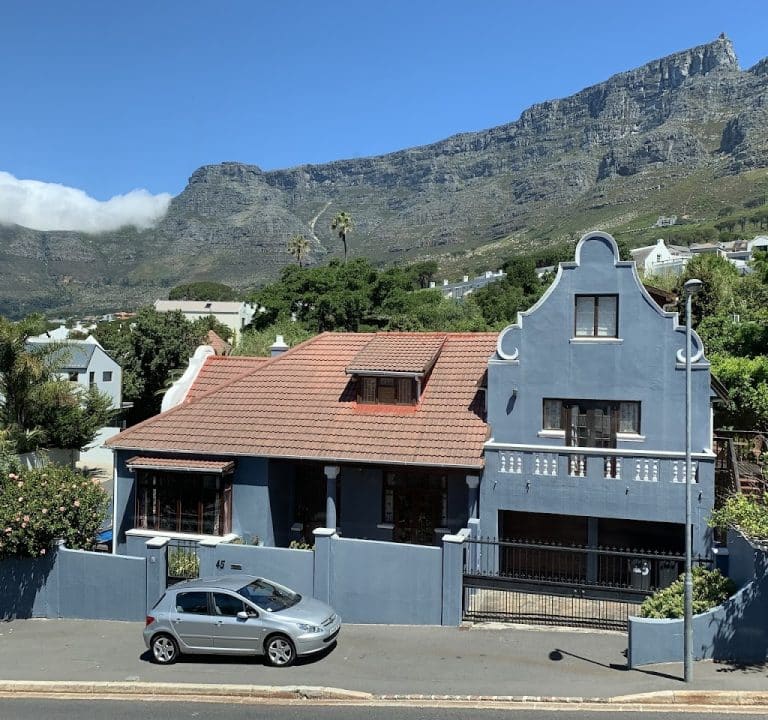
Areas to consider include the coastal crescent of Camps Bay and Clifton for sun, sea and sunset scenery; the vibrant V&A Waterfront and City Bowl for shops, culture and nightlife; Green Point and Sea Point for walkable seafronts and easy access to transport; and the Constantia Valley for wine, gardens and a slower pace. For a calmer, family-friendly stay with leafy streets and cinematic views, Constantia and the Southern Suburbs offer convenient access to both Cape Town’s sights and the scenic routes to the Cape Peninsula. If you prefer a more urban, boutique atmosphere, the City Centre and the historic Bo Kaap offer characterful stays close to museums, galleries and eateries. For those chasing a beachside vibe with easy golf and outdoor activities, the Atlantic Seaboard, including Table View and Bloubergstrand, can be a strong option.
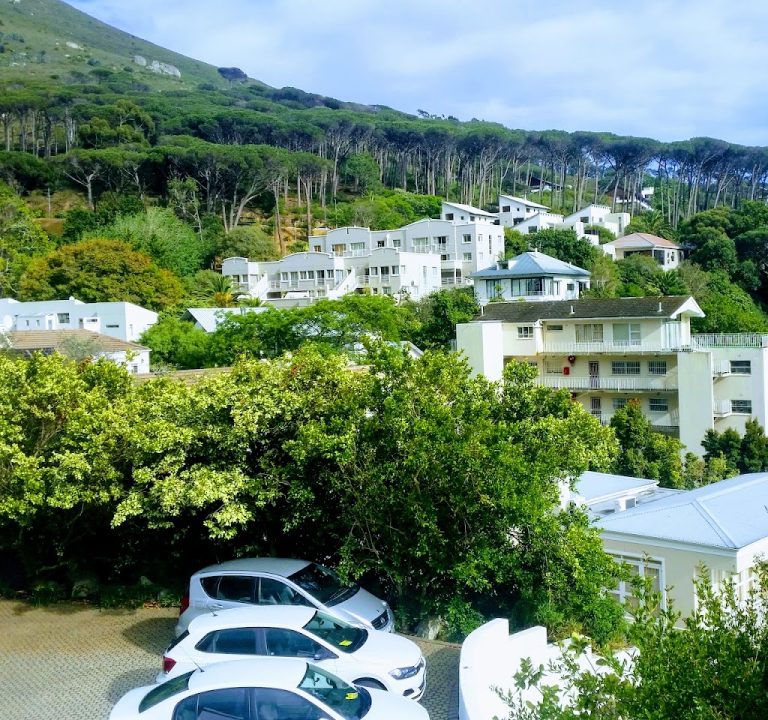
When you book, consider what you want to be close to. Proximity to good public transport can be a real help in Cape Town, especially if you’re staying outside the central hub. The MyCiTi bus network offers convenient routes to major sights, while trains can connect you to areas beyond the city. If you are driving, look for parking arrangements and whether your host offers secure space. Some lodges and guesthouses provide shuttle services or can arrange reliable transfers for day trips along the Atlantic Seaboard, to the Cape Peninsula, or to neighbouring wine routes. If you’d rather not drive, a centrally located property with easy access to day tours can be a real benefit.
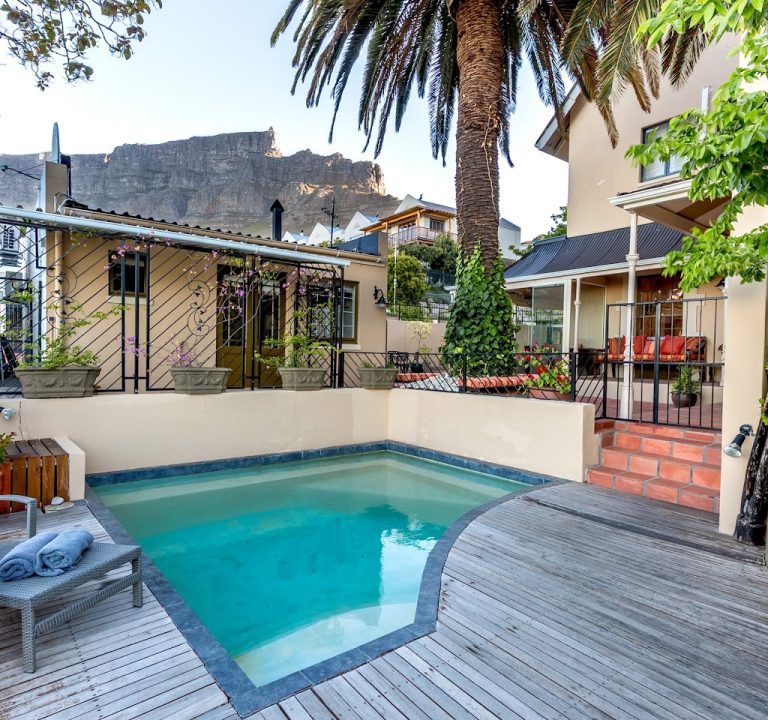
Typical accommodation amenities to look for include reliable wi‑fi, in‑room heating or cooling, comfortable beds, well‑equipped en suites, and a thoughtful touches such as daily housekeeping, laundry facilities, or a small kitchenette. A well‑reviewed property will usually offer private or shared lounge areas, a continental or served breakfast, and access to a well‑maintained garden, terrace or pool. Look for clear information about safety features, particularly if you plan to travel with children. Properties with good guest communications—prompt responses to enquiries, detailed arrival instructions, and local recommendations—often make a big difference to the ease of a stay.
Food and drink are a major part of the Cape Town experience. Many accommodation providers offer breakfast inclusions, and several also arrange private dinners or recommend nearby eateries. In urban areas, you’ll find a broad mix of casual café culture, worldly bistros and fine dining establishments. On the Cape Peninsula, you can expect fresh seafood, farm‑to‑table ingredients and wines from nearby estates. When planning meals, it’s useful to leave some room for discovery—the city has a reputation for inventive, ingredient‑led cooking and a variety of cultural flavours. Always check current opening hours and whether reservations are advisable, especially during peak season or weekends.
Best time to visit Cape Town depends on what you want from your trip. Spring (September to November) and autumn (March to May) often bring mild weather, fewer crowds, and good conditions for outdoor activities. Summer (December to February) is popular for beaches and outdoor events, but it can be busier and more expensive. Winter (June to August) is cooler and wetter, yet it can be a quiet, cosy time with lively indoor venues and excellent value in some lodgings. If you’re planning a hike or a visit to the cape’s natural reserves, mornings tend to be gentler in terms of wind and temperatures. Don’t forget to consider sea conditions for any coastal activities and always check local advisories for safety.
One notable option to explore within this landscape is Cape Paradise, a lodge offering a blend of comfortable accommodation and a gateway to the area’s natural beauty. It can serve as a peaceful base for exploring nearby attractions and enjoying the tranquil side of the Peninsula. For more information, prospective guests can visit the property’s website at Cape Paradise.
Practical tips to enhance your stay:
- Book accommodation with flexible cancellation policies where possible, especially if your plans may change with the weather or timing of local events.
- Contact hosts in advance to tailor your stay—ask about early breakfasts, dietary options, or recommendations for day trips and scenic drives.
- Pack versatile clothing for a range of climates, as Cape Town can be windy and cool near the coast even in warmer months.
- Plan a mix of structured sightseeing and downtime to enjoy the city’s pace without rushing from one activity to the next.
In short, Cape Town offers a wide spectrum of accommodation and experiences that can suit solitary travellers, couples and families alike. With careful planning—choosing a neighbourhood aligned with your interests, understanding transport options, and selecting properties with the amenities that matter most—you can craft a memorable stay that combines comfortable rest with easy access to remarkable landscapes, cultural attractions and delicious dining. Whether you’re drawn to dramatic ocean views, wine‑land escapes, or a lively urban scene, Cape Town provides a welcoming base from which to explore the Western Cape and beyond.