Cape Town: where to stay, plan your itinerary and savour the best of the Western Cape
South Africa’s spectacular Cape Town blends dramatic scenery with a vibrant cultural scene, making it a standout destination for a multi-faceted city break or a longer stay. When choosing accommodation, most visitors weigh location against access to transport, local flavour and the pace they want. Cape Town offers a diverse mix of stays, from boutique hotels and guesthouses to stylish lodges and self-catering apartments. Whether you prefer a cosmopolitan base near the harbour, a tranquil vineyard backdrop a short drive away, or a sun-filled neighbourhood close to the sea, there’s something to suit every plan and budget.
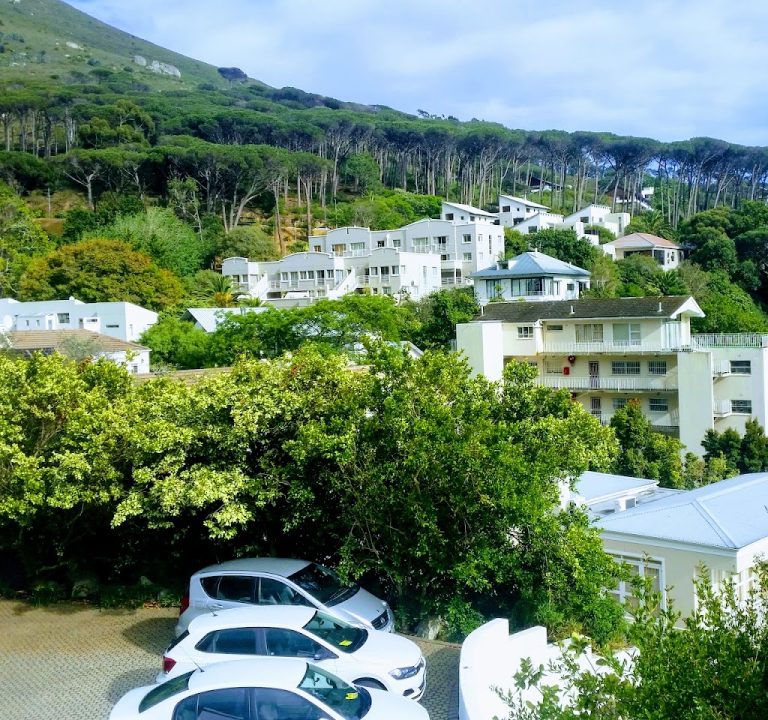
Key areas to consider include the City Bowl and Gardens for easy access to museums, theatres and historic architecture; the Atlantic Seaboard for beaches, sunset views and a lively restaurant scene; Constantia for a leafy, wine-country vibe with easy access to hiking trails; and Bo-Kaap for coloured houses, steep streets and a window into Cape Malay culture. If you’re after dramatic coastal scenery alongside nightlife, Camps Bay and Clifton offer glamorous strolls along the sand; for a more relaxed, family-friendly feel with quick access to the city, Muizenberg and Hout Bay offer welcoming stays with a slower pace.
When booking, look for a few practical features to make your stay smoother. A comfortable bed and good ventilation are essential after a day of exploring the hills or beach. If you’re visiting in peak season, a central location with walkable access to attractions or reliable transport can save time. Check for secure parking if you’re driving, or convenient public transport options such as bus routes or ride-sharing access. Where possible, choose accommodation with guest-friendly amenities such as reliable Wi‑Fi, a well-equipped kitchen or tea and coffee facilities, a secure entrance, and a friendly front desk or concierge service for local tips.
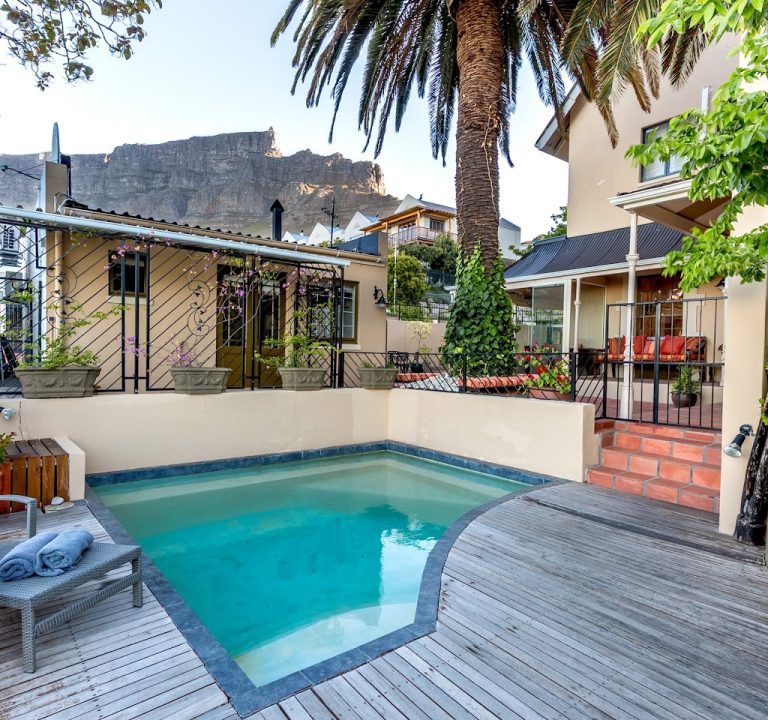
Typical amenities you’ll encounter include ensuite bathrooms, daily housekeeping, air conditioning or fans for warmer days, and on-site dining or continental breakfast options. Some guesthouses and boutique hotels offer splash pools, rooftop terraces with city views, or gardens where you can unwind after a day of sightseeing. If you’re exploring wine estates nearby, a stay with easy access to a taxi service or organised transfers can be especially helpful for day trips to Constantia or nearby Constantia Valley. For families or longer breaks, serviced apartments or self-catering suites offer flexibility for meals and storage of casual picnic supplies for the day’s adventures.
Getting around Cape Town is straightforward but planning helps. The city has a reliable MyCiTi bus network in many areas, complemented by metered taxis and ride-hailing services. If you’re staying near the V&A Waterfront or central City Bowl, most attractions are within a short ride or a pleasant walk on cooler days. Hiring a car can be convenient if you plan to venture to the Cape Peninsula, Cape Point, or the winelands outside the city. Always review safety guidance for late evening travel and keep valuables secure in public spaces.
Best time to visit Cape Town depends on your priorities. The summer months (roughly November to March) bring warm, sunny days ideal for beaches and outdoor activities, but it can be busy and more crowded around major attractions. Spring and autumn offer milder weather, fewer crowds and excellent conditions for hiking, wine tasting and city exploration. Winter (June to August) is cooler and wetter, but still a wonderful time to explore museums, galleries and the culinary scene, with the added benefit of quieter streets and seasonal deals in some accommodations.
To help you plan a well-rounded stay, consider pairing two or three neighbourhoods. For example, base yourself near the V&A Waterfront for easy harbour access, then spend a day in Table Mountain National Park (via accessible cable car routes or hiking trails) or a nearby beach for a contrast of landscapes. Another option is a week split between a city-base with day trips to the Cape Winelands or a coastal pocket with quick hops to beaches, markets and coastal restaurants. Planning ahead for peak seasons, major events or school holidays can help you secure rooms with flexible cancellation policies and the best available rates.
Sample accommodation categories you might encounter:
- Boutique hotels with personalised service and design-forward interiors
- Guesthouses offering intimate stays, often with breakfast and local insights
- Self-catering apartments or villas for longer stays or family groups
- Lodges or boutique lodges on the outskirts for easy access to nature and wine country
When it comes to dining and activities, Cape Town’s restaurant scene ranges from refined tasting menus to casual seafood shacks and global cuisines. Expect fresh seafood, vibrant markets, and eateries focused on seasonal produce. For experiences, you’ll find opportunities to explore famous viewpoints, take coastal walks, visit historic townships respectfully, and sample local wines along nearby estates. Always check current visitor information and opening hours, and consider guided walks or small-group tours to gain deeper insight into the city’s diverse heritage and natural beauty.
For planning resources and inspiration, you can explore official tourism sites and reputable travel guides online. They offer practical details on transport, area highlights, and current event calendars, helping you tailor your stay to your interests. When you book, you’ll want to weigh proximity to what you most want to experience against the peace and privacy of your preferred retreat. A well-chosen stay in Cape Town can be the ideal base from which to discover the Western Cape’s remarkable landscapes, cultures and flavours. For further ideas on routes, neighbourhood vibes and optional day trips, see trusted tourism pages and accommodation listings that align with your preferred pace and interests.