Accommodation and Experiences in Cape Town: A Practical Guide for Visitors
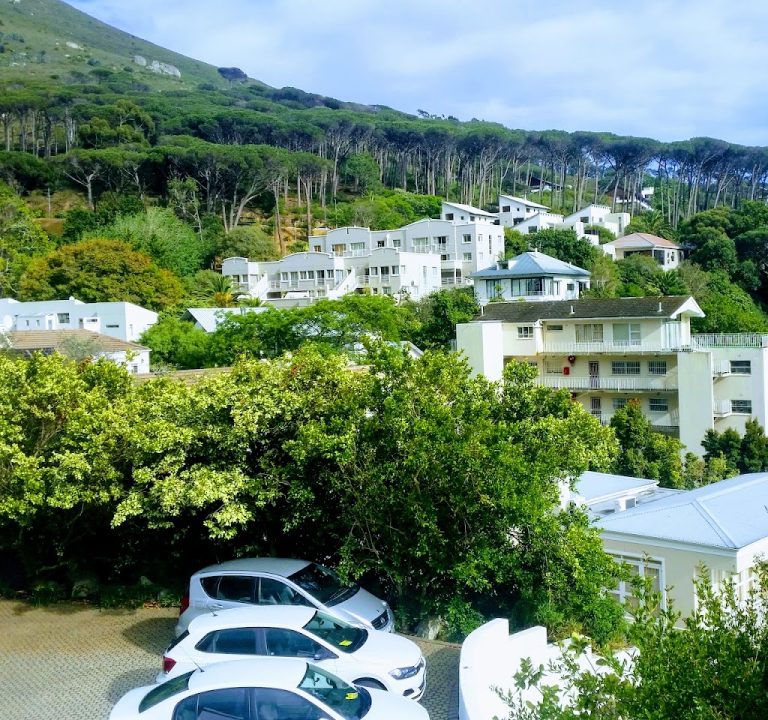
Cape Town is a city of contrasts, where dramatic coastal scenery meets cosmopolitan dining and a rich mix of cultures. When planning a stay, the choice of neighbourhood can shape your whole experience. From the leafy slopes of Higgovale to the bustling V&A Waterfront and the beachside vibe of Camps Bay, each area offers a distinct flavour, ease of access to sights, and a different pace of life. For a characterful stay, consider options such as family-run inns, boutique guesthouses, self-catering apartments, and larger contemporary hotels, all aimed at making guests feel welcome and well looked after.
When selecting accommodation, think about your priorities: privacy and views, easy access to the main sights, or a quieter residential setting. If you prefer a compact, central base with quick access to the city’s sights, a guesthouse or inn in or near the City Bowl can be ideal. If you want striking coastline and sunset vistas, a stay in Camps Bay, Clifton, or Higgovale offers breathtaking backdrops and a serene atmosphere. For easy access to the parks and Table Mountain, look for properties near Tamboerskloof, Oranjezicht, or the Table Mountain National Park entrances. Regardless of the area, most places in Cape Town offer a warm welcome, comfortable rooms, and a practical set of amenities for travellers.
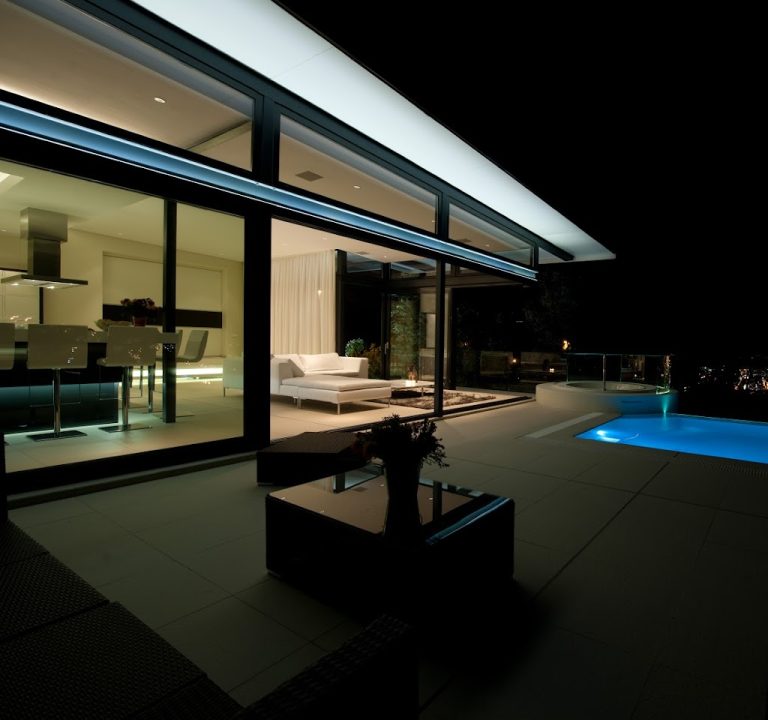
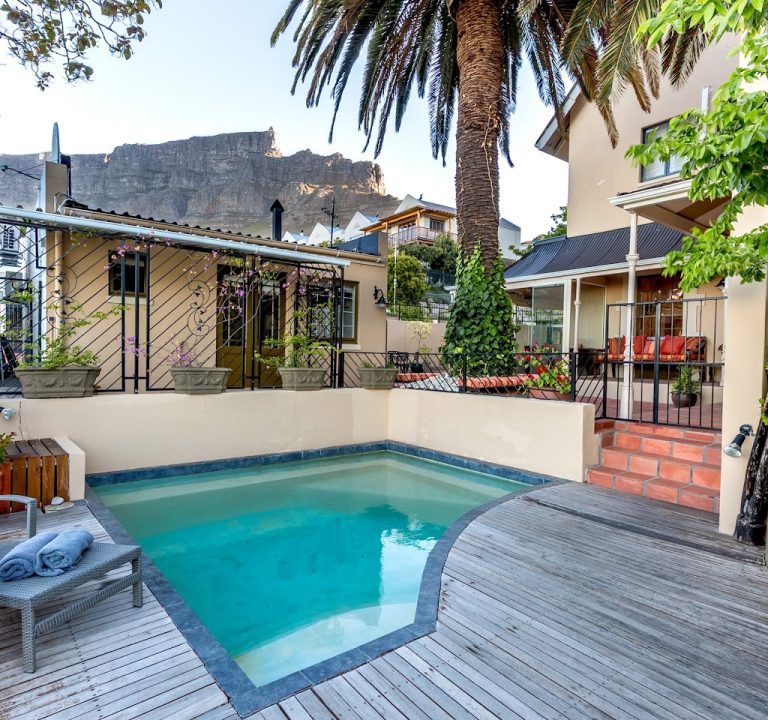
Typical amenities to look for include en-suite bathrooms, reliable heating or air conditioning, secure parking or good public transport links, free Wi-Fi, and a friendly host who can share local tips. Many properties offer breakfast or access to a shared kitchen, which can be handy for early trips up Table Mountain or long days exploring the city. If you enjoy a touch of luxury, boutique inns and guesthouses frequently highlight thoughtful details such as cosy lounges, outdoor spaces, or verandahs with mountain or sea views. For families or groups, look for multi-bedroom apartments or cottages with self-catering facilities and nearby parking.
Transport in Cape Town is varied and often straightforward, but planning ahead pays dividends. If you are staying in the central areas, Uber, ride-hailing apps, and reputable taxi services are reliable options. For more independence, consider renting a car, especially if you plan day trips to the Cape Peninsula, the Cape Winelands, or scenic coastal routes. Public buses and MyCiti buses operate across much of the city centre and regional routes, though timetables can change seasonally. For access to popular natural sites, you may want to arrange a guided tour or hire a driver for the day, which can be cost-effective and convenient when visiting non-city attractions with limited public transport links.
The best time to visit Cape Town depends on what you want from your stay. Late spring (September to November) and autumn (March to May) offer pleasant weather, blooming flora, and fewer crowds than the peak of summer. Summer (December to February) brings lively beaches and longer days, but can be busy, particularly around major sights. Winter (June to August) is cooler and wetter, yet offers fewer crowds and is a good season for indoor culture, museums, and wine country excursions. When planning outdoor activities, keep an eye on the local weather forecast, as conditions can change rapidly, especially in coastal and mountainous areas.
Areas to consider and what they offer:
- City Bowl and Gardens: central access to museums, galleries, and the historic charm of Parliament Square, with easy day trips to the cable-car, mountain viewpoints, and the harbour precinct.
- V&A Waterfront: a lively hub for dining, shopping, and waterfront strolls, with convenient tours to Robben Island and sea excursions, all within walking distance of many accommodation options.
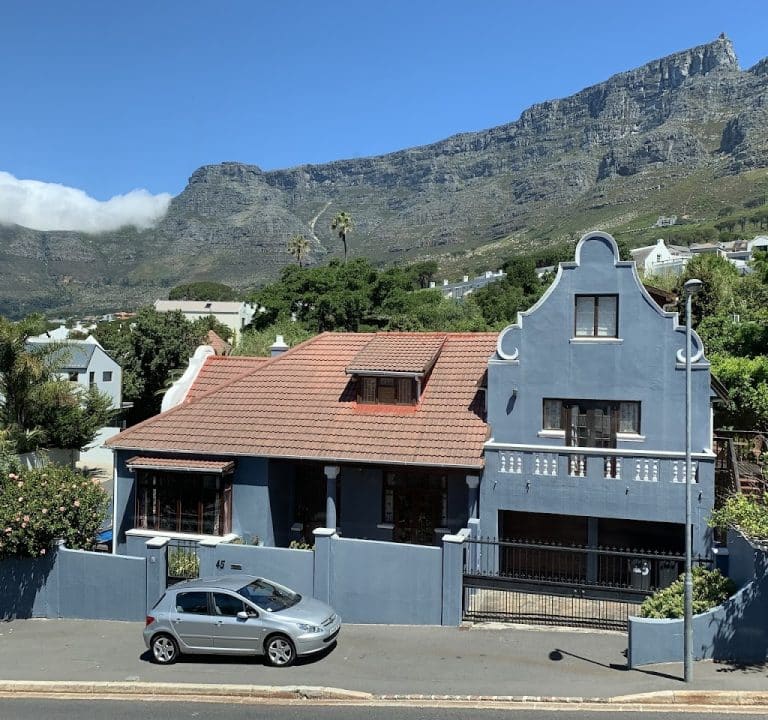
- Table Mountain corridor: near the lower slopes for dramatic views and access to the mountain’s routes and cableway; a well-situated base for adventurous days.
- Camps Bay and Clifton: beach-focused areas with stunning sea vistas, sophisticated dining, and a relaxed vibe, ideal for a slower pace and sunset-watching.
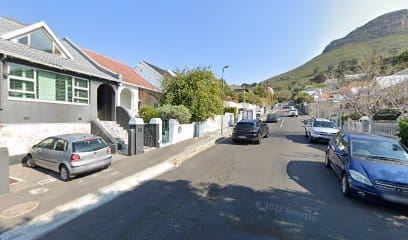
- Higgovale and the Green Point neighbourhoods: a mix of residential calm and close proximity to Signal Hill viewpoints, with scenic access to coastal paths and city sights.
For dining, Cape Town offers a spectrum from casual bistros to refined eateries that reflect regional flavours and world influences. Many accommodation providers partner with on-site or nearby dining options, and most places are happy to recommend neighbourhood favourites, daily specials, or must-try markets. In terms of activities, you’ll find great balance between nature and culture: Table Mountain and Kirstenbosch Botanical Gardens for outdoor experiences, the iconic Peninsula drive along the Atlantic coast, historical tours that explain the region’s complex past, and markets or district-by-district walks that reveal local crafts and foods. Visitors should also factor in time for a day trip to the Cape Winelands, where vineyards and cellar doors provide relaxed tastings and scenic views—perfect for a slower pace after city exploration.
Practical planning tips:
- Book in advance for peak seasons and popular sights, especially near Table Mountain cableway and main beaches.
- Check the accessibility of your chosen area for easy movement with a carry-on, luggage, or mobility considerations.
- Ask hosts about the best local transport options, nearby parking, and safe routes for evening strolls.
- Look for adaptable stays with flexible check-in times and clear cancellation policies in case plans change.
- Prepare for varied weather—layers are useful, even in summer, and a waterproof jacket can be handy for coastal outings.
Ultimately, a well-chosen base in Cape Town can make the city’s extraordinary landscapes, rich culture, and inviting hospitality feel close at hand. Whether you choose a cosy inn such as a singles-en-suite option in Higgovale or a central guesthouse near the bustle of the city, you’ll find easy access to iconic sights, a cuisine scene that rewards exploration, and a sense of being warmly welcomed as you discover this remarkable corner of the Western Cape.