Where to Stay and Plan Your Cape Town Visit: Accommodation, Attractions and Local Tips
Cape Town offers a diverse mix of places to stay, from cosy boutique guesthouses to larger lodges with sweeping views. When planning a visit, it helps to think in terms of neighbourhoods and transport needs, so you can balance scenery, convenience and budget. A stay that combines comfort with easy access to the city’s major sights will help you make the most of your time in the Western Cape.
Areas to consider when selecting accommodation include the City Bowl core, which puts you within easy reach of museums, markets and the vibrant restaurant scene. The Atlantic Seaboard—from the waterfront along the harbour to Camps Bay and Llandudno—offers dramatic coastline, sunlit beaches and stylish eateries. Constantia and the southern suburbs provide a calmer, more residential base with leafy avenues, wine estates and family-friendly venues. For wildlife and a sense of escapism, hinterland retreats near Constantia or the Overberg can offer a short winelands detour or day trips to nature reserves.
When you book, look for options that suit your pacing. If you want to be near activity and nightlife, a central boutique hotel or guesthouse in the City Bowl makes it easy to walk to shops, cafés and markets. For days of beach and coastal views, a lodge or guesthouse along the Atlantic Seaboard or near the waterfront offers memorable scenery and convenience. If you’re travelling with family or prefer more space, consider self-catering units or larger guesthouses with private lounges, kitchens and off-street parking.
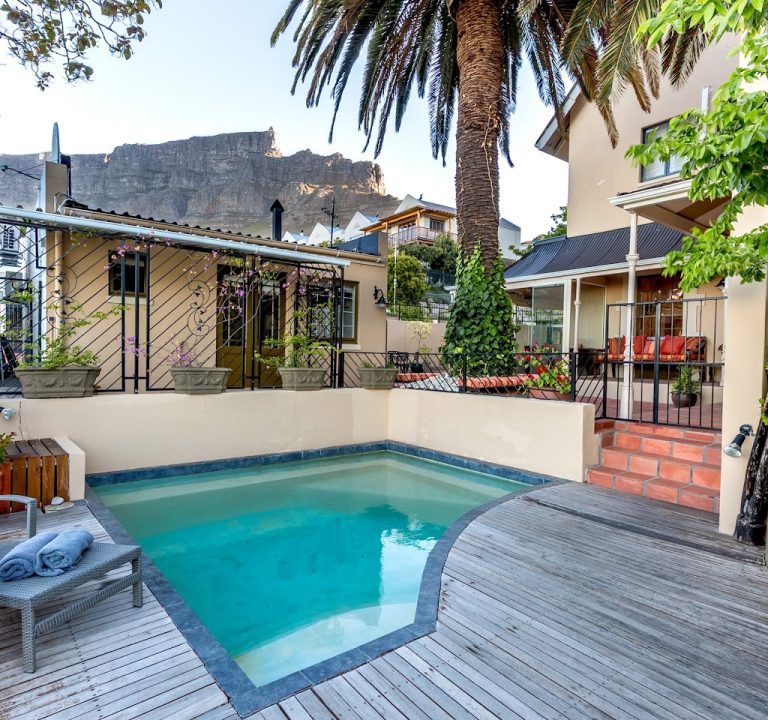
Typical amenities that help you enjoy Cape Town without fuss include en-suite bedrooms, reliable Wi‑Fi, free parking or easy access to public transit, daily breakfast or self-catering facilities, and guest lounges or outdoor spaces with mountain or sea views. Some properties offer additional touches such as outdoor pools, wellness facilities, guided walks, and easy access to nearby scenic trails. When choosing, confirm essential details such as proximity to MyCiTi bus routes, tram or taxi hubs, and whether the property can arrange airport transfers or day trips.
Transport in Cape Town is straightforward but planning ahead saves time. The MyCiTi bus network covers the city centre and several popular corridors, while Uber and local taxis provide flexible options for hillier routes or late-evening outings. If you’re staying near a major hub, you’ll likely be within a short ride of the beaches, viewpoints and the city’s cultural precincts. If you plan to explore beyond the city, a rental car offers freedom to visit wine estates, coastal towns and nature reserves at your own pace.
The best time to visit Cape Town is influenced by weather, light and crowds. Spring and autumn (roughly September to November and March to May) offer mild temperatures and less intense peak-season crowds, making it ideal for city cruising, hiking and coastal strolls. Summer brings long days and sea breezes, which suits beachgoers and outdoor dining, but can be busier. Winter (June to August) is quieter and cooler, with the possibility of misty mornings and occasional rain, yet perfect for museum visits and enjoying indoor attractions with fewer queues. Pack layers for varied conditions and water-friendly footwear for rugged coastal walks.
When it comes to booking, here are practical considerations to guide your choices:
- Location versus views: decide whether you prioritise convenient access to sights and dining or panoramic scenery and tranquillity.
- Room configuration: confirm bed type, private bathroom availability, and whether the room has sufficient storage and workspace.
- Facilities and inclusions: check whether breakfast is included, if there is a kitchen or fridge for self-catering, and whether parking or transfers are provided.
- Accessibility and safety: review stairs, lifts, and lighting in common areas, plus the property’s safety measures and neighbourhood reputation.
- Flexibility and cancellation policies: especially in shoulder seasons, choose options with clear, reasonable terms.
- Local tips available on-site: many hosts offer recommendations for markets, walking routes, and hidden cafés that aren’t in guidebooks.
A quick guide to must-see experiences in Cape Town, approached in general terms, includes the city’s iconic viewpoints, nature trails and coastal routes, complemented by outstanding dining options. Half- or full-day excursions provide a balance between city life and the outdoors—from cable cars and mountaintop panoramas to tranquil gardens and sea-front promenades. In the evenings, a stroll along bustling streets or a harbour area often reveals vibrant live music, craft markets and seasonal food offerings. For a relaxed day, consider scopes that blend nature, culture and cuisine—such as botanical gardens, dramatic coastal vistas, and farm-to-table eateries that showcase Western Cape produce.
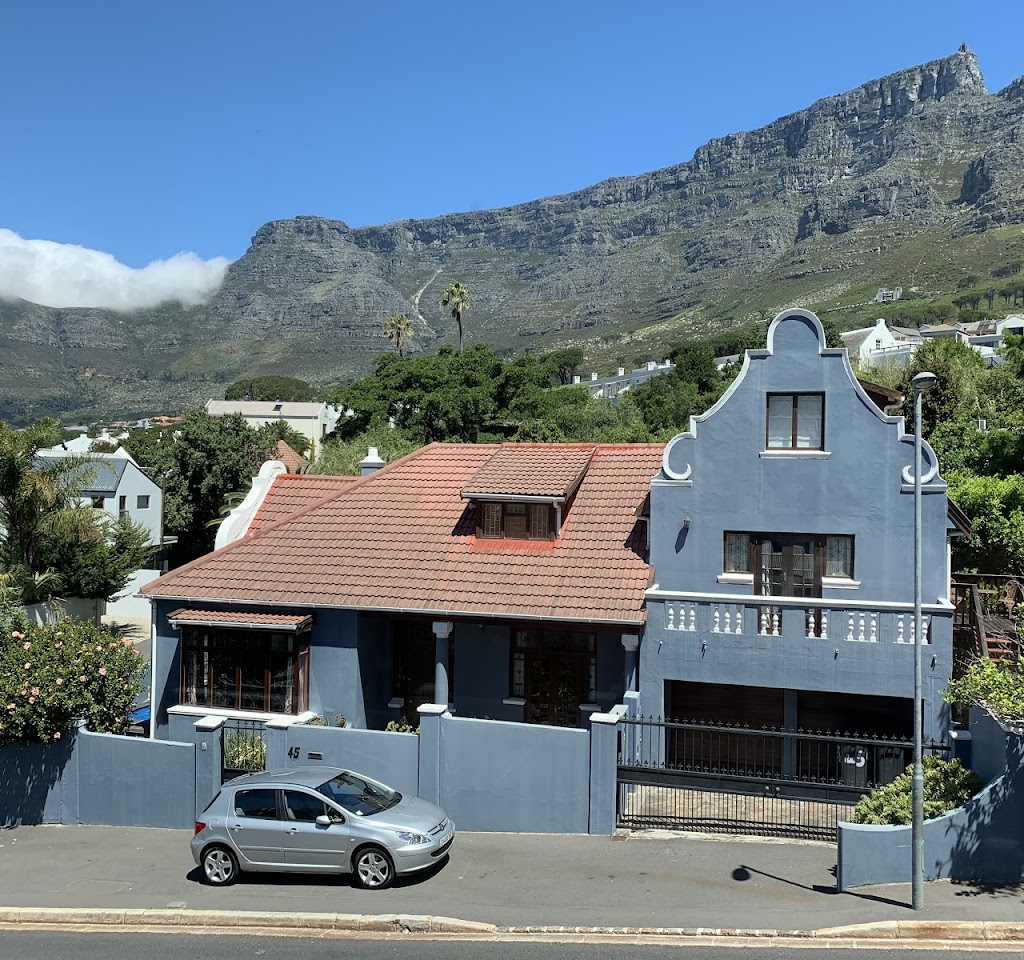
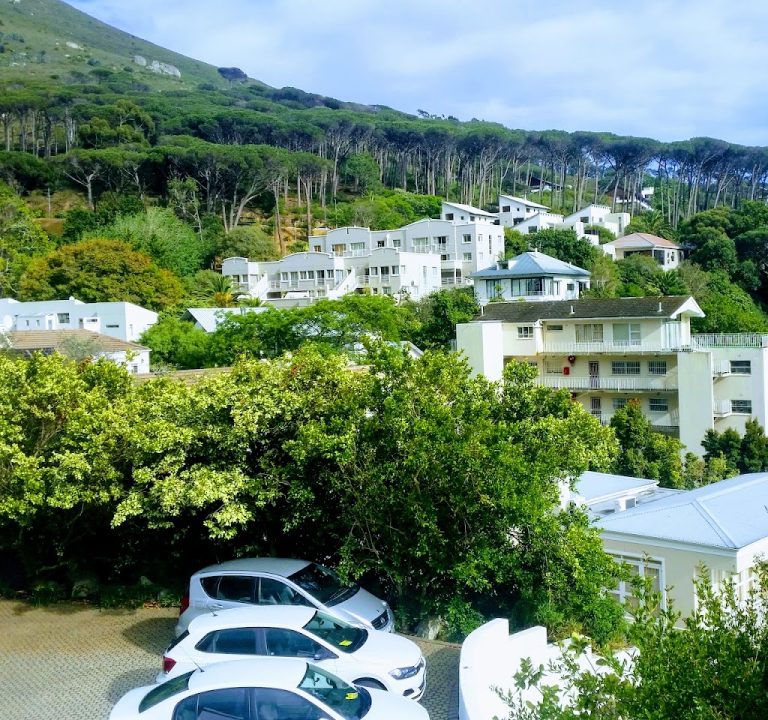
One example of the kind of lodging that complements a diverse programme is Bellevue House, a lodge-style accommodation that combines comfort with a convenient location. Visitors planning a stay there can explore the surrounding area at ease, using a mix of on-site facilities and nearby attractions. For more information and to plan a stay, you can visit the official site at Bellevue House.
To make the most of your Cape Town visit, map out a loose daily rhythm: a couple of mornings for hillside or harbour views, a few afternoons for beaches or gardens, and evenings dedicated to dining and a stroll through lively streets. Leave space for spontaneous discoveries—the city’s neighbourhoods each offer their own character, from markets and cafés to galleries and eateries with delicious regional flavours. With thoughtful planning and a comfortable base, your Cape Town stay can be a balanced blend of relaxation, scenery and memorable experiences.