no-image
The YW is a Serviced accommodation establishment in Cape Town, Western Cape, South Africa
About The YW Cape Town
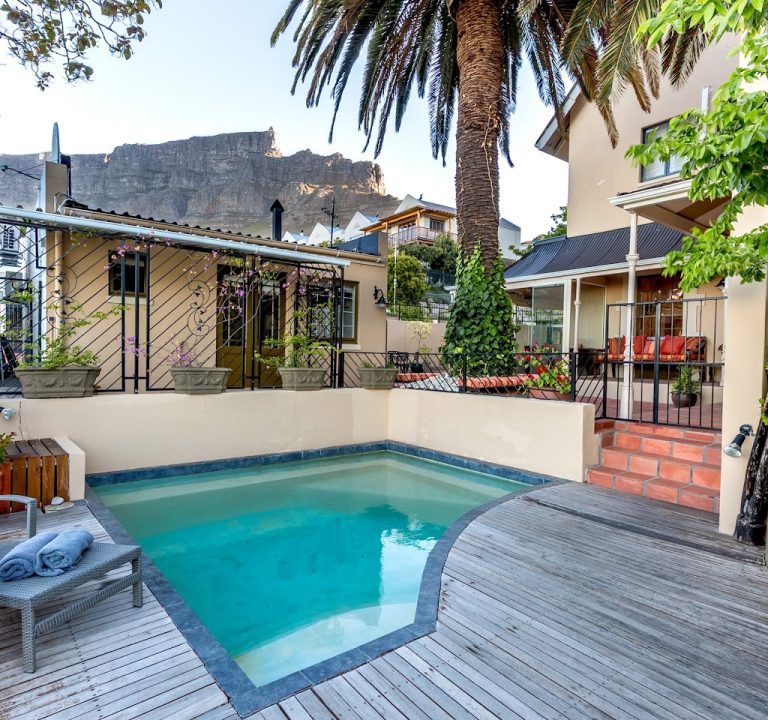
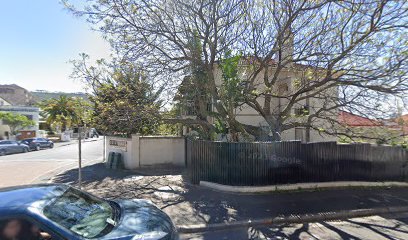
The YW Cape Town sits at the foot of Table Mountain, in a villa-style house that accommodates 41 young women in a hostel‑like setting. The residence aims to provide a homely, family‑like atmosphere where residents are encouraged to treat each other as young responsible adults, fostering a safe and supportive environment grounded in Christian principles. Its location places it close to central Cape Town and within easy reach of public transport, with iconic neighbours such as the Table Mountain cable car and the popular V&A Waterfront within convenient access. Nearby Camps Bay beaches and other city attractions make The YW a practical base for students and visiting guests alike.
The YW operates two distinct offerings: student accommodation and guest accommodation. The student provision is designed for young women aged 18 to 25 who may be studying or starting their professional journeys. The arrangements prioritise safety, personal growth, and value, with an emphasis on community activities and outreach projects.
Within the student accommodation, single rooms are provided with shared bathrooms. The environment includes a communal lounge and dining area, a computer room, and on‑site self‑service laundry facilities. A life coach engages with residents on a weekly basis, offering guidance and mentorship as part of the holistic development programme. Breakfast and dinner are provided Monday to Saturday, with breakfast and lunch offered on Sundays, reinforcing the “home from home” ethos even during busy study periods.
Guest accommodation is available on request for visitors to Cape Town, including those travelling for business or leisure. When offered, it benefits from the same city‑centre convenience and proximity to major highlights. The guest wing, known as the Morton Wing, provides three recently redecorated rooms that open onto the garden. Guests have their own keys and access to a communal kitchen area with a fridge, microwave, kettle, and dining facilities. The Morton Wing rooms feature hand basins and share a bathroom layout, together with a self‑contained mini‑suite feel through their separate spaces. For those preferring self‑catering, downstairs studio flats provide additional flexibility with a compact kitchenette and essential appliances.
The YW’s approach to accommodation is complemented by practical amenities. In the student rooms, built‑in storage, wash basins, and simple furnishings create a functional living space suitable for focused study and rest. For guests, the mix of room options, kitchenette facilities, and garden access supports a comfortable stay whether short or longer-term, depending on availability and demand.
The surrounding neighbourhoods and attractions are a major draw. The YW is well placed for exploring Cape Town’s diverse highlights, from the natural splendour of Table Mountain to the scenic Company Gardens, the bustle of the V&A Waterfront, and the cultural and culinary appeal of Kloof Street and the CBD. With transport links nearby, options extend to other historic sites, beaches, vineyards, and broader Cape Town adventures, including guided city tours and self‑drive peninsula trips.
From a guest experience perspective, prospective visitors should be aware that rates for student accommodation are structured around 10‑month contracts (February to November) with various room types and associated costs, deposit requirements, and optional extras such as secure parking and Wi‑Fi. The guest accommodation is priced on request and is subject to seasonal availability (including Morton Wing access during December and January). Booking terms commonly require a 50% deposit to confirm arrangements, with the balance payable ahead of arrival, and guests are typically requested to complete a Guest Info Sheet prior to their stay.
For those seeking to understand the full scope of facilities and to confirm up‑to‑date pricing, The YW maintains a dedicated online presence with details on student and guest accommodation, rates, and application forms. Visitors can explore the property’s core offerings and practical travel information through the main website and related pages.
- Proximity to Table Mountain, Table Mountain cable car, V&A Waterfront, and Camps Bay beaches
- Villa‑style house with dedicated student and guest wings
- Single student rooms with shared bathrooms; communal lounge, dining, and study facilities; life coach support
- Morton Wing guest rooms with private access, shared bathroom, and in‑house kitchenette
- Downstairs self‑catering studios for flexible short‑ or longer‑term stays
- Public transport access and easy access to central Cape Town attractions
Booking tips: prospective residents and guests should be prepared for application processes that may include forms, references, and in some cases deposits or early payment schedules. For complete details, timelines, and to initiate an enquiry, visiting the official The YW Cape Town website is recommended: The YW Cape Town.
Cape Town
Western Cape
8001
South Africa

no-image
Where to stay and what to do in Cape Town, Western Cape
Cape Town is a city of contrasts, where rugged coastline meets dramatic mountains and cosmopolitan neighbourhoods buzz with life. When planning a stay, consider which area best suits your rhythm: the city bowl and central districts for easy access to sights and dining, the Atlantic Seaboard for beaches and dramatic sea views, or the leafy suburbs for a calmer, more residential feel. A well‑placed base can cut travel time and help you make the most of the city’s diverse attractions.
In terms of accommodation, Cape Town offers a spectrum from serviced apartments and guesthouses to boutique hotels and larger complexes. Look for options that combine good access to public transport with a welcoming atmosphere and practical amenities. For visitors who appreciate a homely, social environment, guest wings or student‑friendly residences near the city centre can provide a safe, affordable stay with communal spaces, self‑catering facilities and staff on hand for guidance. Some properties even offer garden spaces, laundry facilities and on‑site dining, which can simplify planning during a busy itinerary.
Key areas to consider include:
- City Bowl and the Central Districts: convenient for walking to museums, markets, coffee shops and the V&A Waterfront; good for first‑time visitors who want a compact base with plenty of options at hand.
- V&A Waterfront and the harbour area: lively, with easy access to ferries, boat trips and evening dining; ideal if you want attractions within a short stroll of your door.
- Green Point, Sea Point and the Atlantic Seaboard: dramatic sea views, coastal walks, beaches and more upscale dining; a good pick for travellers who enjoy a scenic feel with vibrant nightlife.
- Table Mountain foothills and the City Centre’s quieter pockets: convenient for hiking access, cable car trips, and a more relaxed pace after busy days of sightseeing.
Typical amenities to look for include secure parking or easy public transport access, high‑speed Wi‑Fi, daily housekeeping, meals or self‑catering facilities, and 24‑hour reception or on‑site staff who can offer local tips. If your stay involves studying, work or professional meetings, a quiet work area or meeting room can be especially valuable. For families or groups, self‑catering studios or serviced apartments with kitchen facilities and living space can offer both flexibility and comfort.
Transport in Cape Town is well served by a combination of MyCiTi buses, suburban trains and taxis. Many areas are walkable from central bases, and car hire gives you the widest freedom to explore coastal towns, penguin viewing at the Cape Peninsula, or wine regions a short drive away. If you prefer not to drive, organised tours and hop‑on hop‑off buses frequently stop near major sights and the V&A Waterfront, making day trips straightforward.
The best time to visit Cape Town depends on what you want from your trip. Spring (September to November) and autumn (March to May) offer pleasant weather, with fewer crowds than peak summer. Summer (December to February) brings warmer seas and longer days, ideal for coastal strolls and outdoor dining. If you’re keen on scenic routes and outdoor activities, plan well in advance for popular Cableway or Table Mountain experiences, and leave some flexibility for weather‑dependent excursions to Robben Island, the Cape Winelands or the Cape Peninsula.
Planning practical details in advance can smooth your stay. For example, check what is included in a room rate—some packages provide breakfast or meals, while others are self‑catering‑style and let you explore Cape Town’s diverse markets and eateries. Look for flexible cancellation policies and clear payment terms. If you’re visiting a serviced accommodation such as a residence with guest facilities, read the house rules and any security protocols to ensure a comfortable stay.
When it comes to dining and experiences, Cape Town’s culinary scene ranges from casual coastal cafés to refined eateries featuring local produce. You’ll find plenty of options within easy reach of most central bases, including neighbourhood bistros on Kloof Street, stylish eateries along the Atlantic Seaboard, and markets offering fresh bakes, seafood and global flavours. For a taste of the city’s heritage, consider guided walks through historic streets, botanical gardens, and viewpoints that showcase the iconic Table Mountain and surrounding coastline.
Sample planning tips to keep handy:
- Choose accommodation with good access to public transport or parking if you plan day trips to the Cape Peninsula, Constantia wine route or Cape Point.
- Book a base close to a cable car stop or a starting point for coastal walks if outdoor activities are high on your list.
- Pack for changeable weather; Cape Town’s microclimates can bring warm sun and sudden sea breezes in a single day.
- Allocate time for both urban exploration and nature-based adventures, such as beaches, walks up Table Mountain, or a coastal drive to nearby towns.
- Keep a flexible itinerary to accommodate weather, sea conditions and seasonal events.
For a real‑world example of Cape Town‑based accommodation and guest facilities, you can explore options at The YW Cape Town, which sits at the foot of Table Mountain and highlights a blend of student and guest accommodation with easy access to key sights. More information is available on their website: theywct.co.za.
Sorry, no records were found. Please adjust your search criteria and try again.
Sorry, unable to load the Maps API.
Why Claim Your Listing?
Claiming your listing on the B&B Finder directory website is a valuable opportunity for business owners. Here are five reasons why you should consider claiming your listings:
Control Over Business Information: By claiming their listing, business owners can ensure that all the information presented is accurate and up-to-date. This includes details such as contact information, address, pricing, and available services or amenities. Accurate information helps prevent customer confusion and improves overall satisfaction.
Enhance the Listing: Once a listing is claimed, owners can enhance it by adding more comprehensive information and rich media, like high-quality photos and videos. These additions can make the listing more attractive and engaging to potential customers, thereby increasing the likelihood of bookings.
Marketing Opportunities: Claiming a listing can also open up additional marketing opportunities. Owners may be able to participate in promotional campaigns, special offers, and other marketing activities organized by the directory. This can increase visibility and attract more customers to the business.