Johannesburg: Where to stay and what to explore in Gauteng
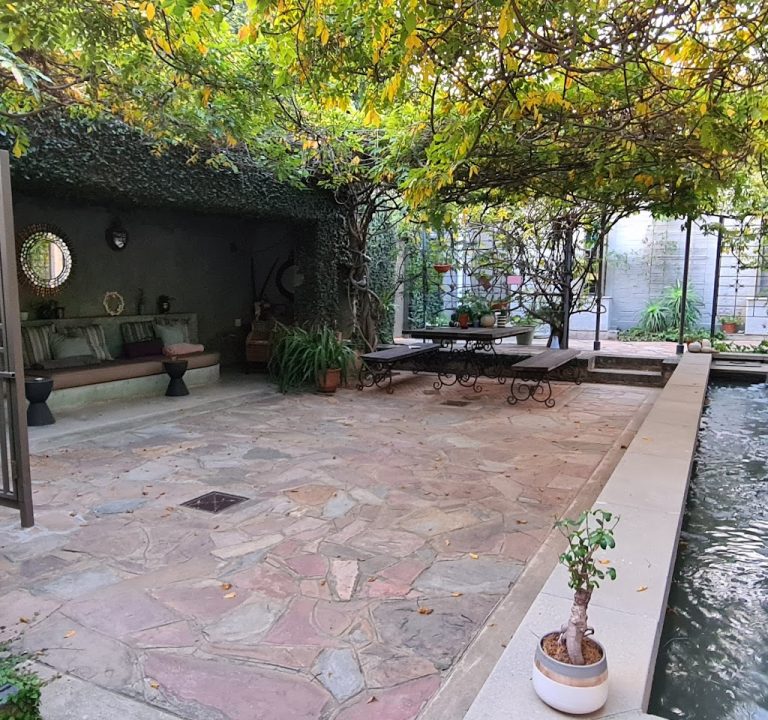
Johannesburg, known locally as Jo’burg or Jozi, is a dynamic gateway to Gauteng’s urban energy and its surrounding nature. When planning a stay, consider a mix of neighbourhoods to balance convenience, culture and safety. Central districts offer proximity to museums, galleries and dining, while northern suburbs and neighbouring townships provide leafy streets, boutique hotels and creative spaces. One accessible option for travellers is ilali House, a guest house that represents a style of warm, intimate accommodation found across the city.
Key areas to consider for accommodation include:
- Central business districts and the Maboneng precinct for easy access to attractions, nightlife and eateries.
- Rosebank and Braamfontein for a blend of shopping, markets, galleries and good public transport links.
- Sandton for a more corporate vibe with upscale dining and convenient metro connections.
- Soweto and surrounds for a deeply rooted cultural experience and guided tours
- JHB’s northern suburbs for quieter residential streets near parks and family-friendly amenities.
When booking, consider what matters most to you. Look for clear information about location relative to your planned activities, security features, and the adaptability of spaces to groups or long stays. If you’re flying into O.R. Tambo International Airport, factor in travel time to your base; many guests favour stays with straightforward transfer options or good access to rideshare services and the Gautrain network. A reliable Wi‑Fi connection is essential for work or streaming, and a guest house or hotel that offers breakfast or a compact kitchen can save time in the mornings.
Typical amenities you might encounter include:
- En-suite bedrooms with comfortable bedding and climate control
- A friendly reception or on-site management team, often able to arrange local advice or tours
- Daily housekeeping and laundry services for longer visits
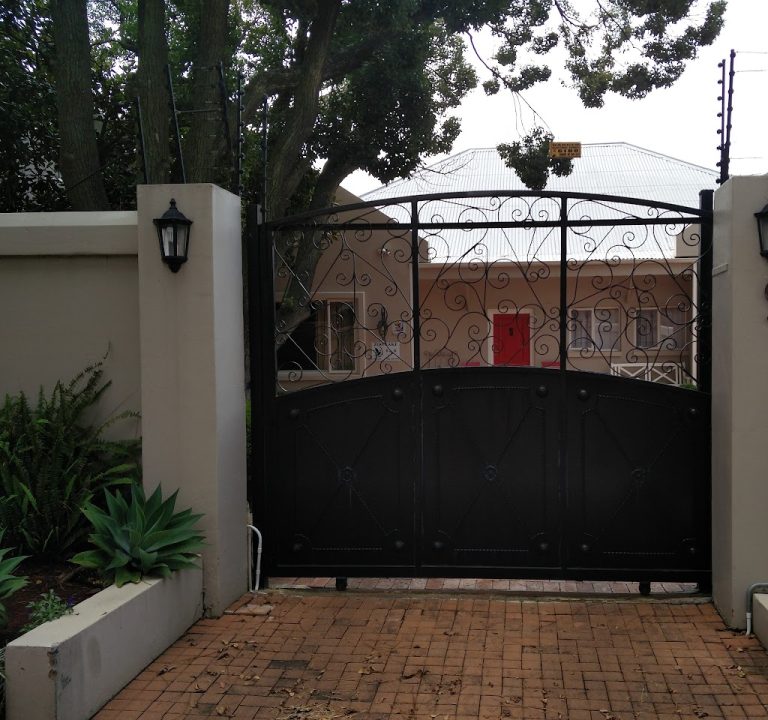
- Secure parking or safe street access with security measures
- On-site or nearby dining options, as well as tea and coffee facilities
- Information on local transport options, from rideshare apps to public transit hubs
Accommodation in Johannesburg can range from characterful guest houses to modern boutique hotels. If you’re drawn to intimate spaces, look for smaller properties with consistent guest reviews that note hospitality, local knowledge and what makes the neighbourhood feel welcoming. For families or groups, a self-catering option or a larger suite with flexible sleeping arrangements can be appealing. If accessibility is important, check for ground-floor rooms or elevator access and clear information about room configurations.
Planning your days involves thinking about how you’ll move around. Johannesburg’s layout is sprawling, and while central districts are dense with activity, travel times can extend during peak hours. Rideshares and the Gautrain are popular and practical ways to traverse the area, and many guest houses provide guidance on local routes and safe, well-lit streets after dark. If you enjoy a stroll, you can often combine a morning walk with a visit to a nearby market or cafe, then hop back on public transport or a taxi for the next destination.
The best time to visit Johannesburg is generally the shoulder seasons of spring and autumn, when daytime temperatures are comfortable and the city feels less crowded. The summer months bring occasional showers and thunderstorms, which can bring relief from heat but may affect outdoor plans. Winter days are usually mild and sunny, with cooler mornings and evenings; this can be ideal for exploring museums, galleries and indoor activities without the crowds of peak summer.
Getting the most from your stay also means minding practicalities. Pack adaptable clothing for variable weather and a guidebook or offline maps for areas with patchy mobile reception. Safety is a shared responsibility—choose accommodation in well-reviewed areas, use reputable transport options after dark, and keep valuables secure or out of sight. Dining out in Johannesburg ranges from casual eateries to high-end restaurants, and many areas offer side-by-side options for tasting modern South African cuisine alongside international dishes. If you’re planning to explore cultural centres, markets or historical sites, set realistic expectations about distances and travel times, and allocate time for rest between activities.
In summary, Johannesburg rewards travellers who balance comfort with exploration. Whether you choose a boutique guest house like ilali House or a contemporary hotel in a busy district, prioritise location, safety, and convenient transport. Build a flexible itinerary that blends indoor experiences—museums, galleries, and coffee houses—with outdoor strolls in parks or markets. With thoughtful planning, a stay in Gauteng can be both relaxing and deeply engaging, offering a genuine sense of the city’s energy and hospitality.