Johannesburg: where to stay, how to plan your visit, and what to enjoy
Johannesburg, Gauteng’s heartbeat, offers a vibrant mix of neighbourhoods, modern comforts and easy access to the region’s cultural and natural attractions. When planning a stay, consider what you want from the city: a central base for exploring museums and markets, a leafy suburb with easy access to restaurants, or a lively district with bars, galleries and live music. Johannesburg accommodates all of these tendencies with a range of accommodation styles—from boutique guesthouses and stylish homestays to contemporary hotels and serviced apartments.
Popular areas for visitors include the city bowl and central districts, which place you close to galleries, theatres and markets, as well as more residential hubs such as Rosebank, Sandton and Melrose Arch, where you’ll find pleasant tree-lined streets and a calmer pace. Maboneng and Braamfontein offer a more urban, energetic experience with excellent dining options and street-level culture, while Johannesburg’s northern suburbs, including Sandton and Fourways, provide modern amenities, large shopping centres and convenient transport links. When choosing where to stay, think about your daily goals: early starts for museum visits or late nights for dining and live music may influence your pick between a quieter residential area and a lively, walkable district.
Accommodation in Johannesburg ranges from historic guesthouses and intimate B&Bs to contemporary hotels and self-catering apartments. Typical amenities you might encounter include breakfast options, secure parking or easy parking access, Wi‑Fi, coffee and tea facilities, air conditioning or heating, and daily housekeeping. If you’re travelling with family or a group, look for larger suites or apartments with separate living spaces and kitchen facilities. For business trips, a comfortable workspace, reliable Wi‑Fi and convenient desk access can be valuable. Consider whether you’ll want a property with in-house dining or a recommended on-site bar, as well as whether an outdoor space, pool, or fitness room would enhance your stay.
Transportation is a practical part of planning. Johannesburg is well connected by major highways and an expanding rail network. The Gautrain rapid rail link offers fast transport to the airport and to Pretoria, making day trips feasible for longer stays. In the city itself, ridesharing services are common, and many hotels and guesthouses provide shuttle options or can arrange guided excursions. If you plan to hire a car, verify whether the accommodation has secure parking or street parking nearby, and consider the convenience of the neighbourhood’s exits and entrances for your planned activities. Walking is pleasant in certain districts, but some areas are more suited to short strolls than long walks at night, so factor safety and street lighting into your plans.
Best time to visit Johannesburg depends on what you want from the visit. The city experiences a mild winter and a warm, sometimes rainy summer. May to September is generally comfortable for outdoor activities, with cooler evenings. If you’re keen on markets, street food and outdoor events, the shoulder seasons can be ideal, offering pleasant weather without the peak crowds. It’s worth noting that some attractions may have different opening hours on public holidays, so a quick check ahead of time helps you map a smooth itinerary.
Aside from staying, a well-paced visit usually blends culture, shopping and cuisine. You might wander through museums and galleries to learn about South Africa’s complex history, browse craft markets for locally made goods, and enjoy cafés and restaurants that showcase contemporary African cooking. In the evenings, districts with a mix of casual eateries, wine bars and live music venues offer opportunities to soak up the city’s energy. For a broad sense of the local scene, choose neighbourhoods with a mix of dining options, pedestrian-friendly streets and safe, well-lit public spaces.
When booking, here are practical tips to help you secure a comfortable stay that suits your plans:
- Location matters: balance proximity to the sights you plan to visit with the convenience of transport options and safety considerations.
- Check safety and security features: secure access, well-lit common areas, and clear emergency information.
- Assess the entry style: some homestays or guesthouses offer a more personalised experience, while larger hotels provide consistent standards and services.
- Clarify breakfast and meal provisions: some properties include breakfast; others offer self-catering facilities or on-site dining.
- Look for flexible cancellation policies: travel plans can change, so consider properties offering modest penalties or free changes.
- Request proximity details: distance to public transit routes or major roads can save time in daily planning.
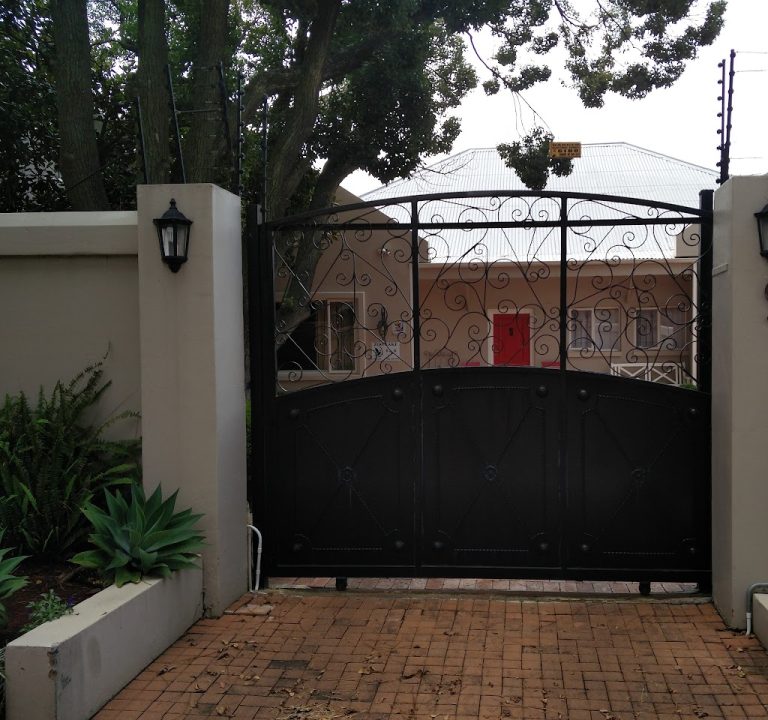
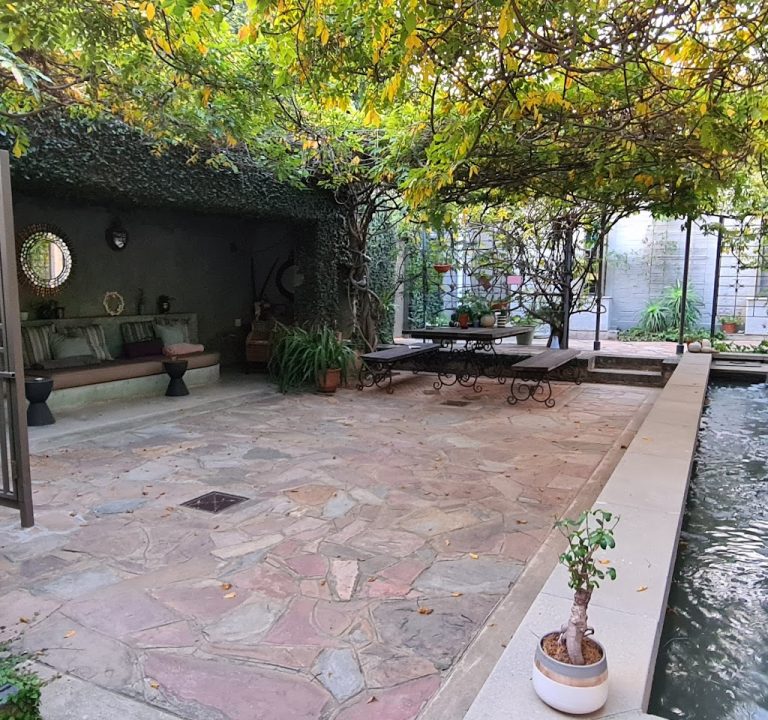
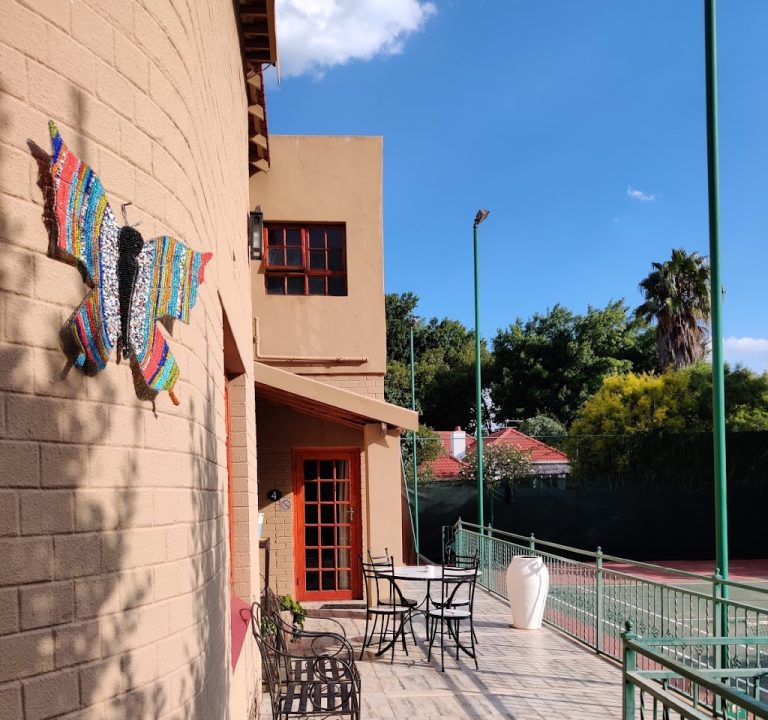
One example of a welcoming home-from-home option is a homestay that emphasises hospitality and local living, such as Olivewood & Cottonwood Accommodation. Such stays can offer an authentic perspective on daily life in Johannesburg, alongside comfortable rooms and shared spaces. If you’re curious about this approach, search for homestays in your preferred area and compare guest reviews, the type of rooms offered, and what guests appreciate most about their hosts’ local knowledge.
To get the most from your visit, combine a comfortable base with a well-planned itinerary. Build in some downtime between sightseeing to enjoy a café culture or a green space, and leave room for spontaneous discoveries in neighbourhood markets, street cafés and pop-up events. With thoughtful planning, Johannesburg can be a dynamic and rewarding destination that offers both a cosmopolitan atmosphere and a sense of discovery in its varied districts.