Johannesburg: where to stay, what to explore and how to plan your visit
Johannesburg, or Jo’burg as it is often called, is a city of contrasts and creativity. From buzzing neighbourhoods to tranquil green spaces, it offers a wide range of accommodation options that suit all budgets and travel styles. When planning a stay, it helps to think about which area will best match your plan for the day, whether you want to linger in cafés, easily access galleries and museums, or be close to business or transport hubs. A stay in a well-chosen B&B, guesthouse or boutique hotel can feel like a home base for discovering the city’s character and energy.
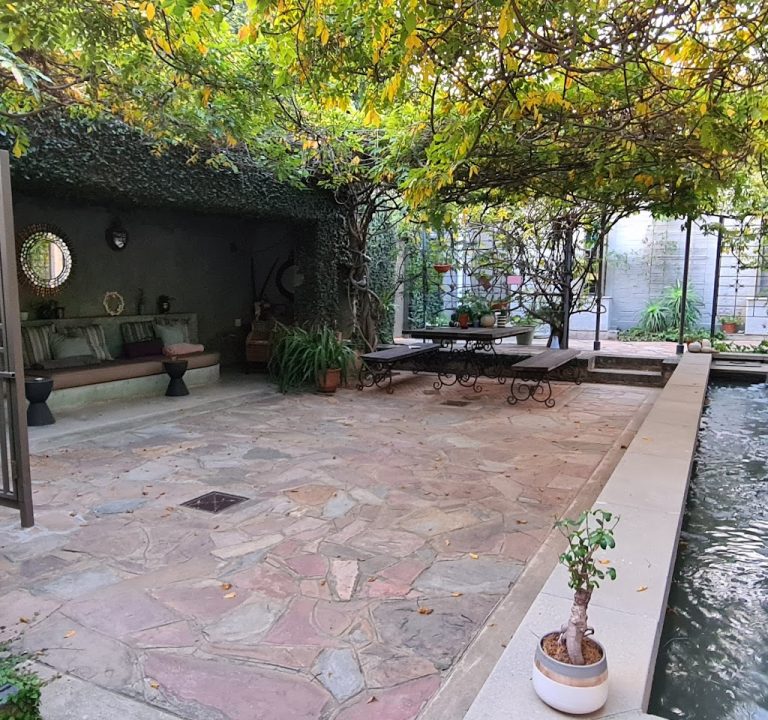
For a comfortable bed-and-breakfast experience, consider well-connected neighbourhoods that blend convenient access with a friendly vibe. A family-run B&B such as R & R’s Retreat can provide a cosy, personalised stay with breakfast highlights and helpful local tips. Guesthouses in up-and-coming districts often balance charm with practicality, offering private rooms or suites, secure parking where available, and ready access to local eateries. When booking, look for clear room descriptions, the inclusion of self-catering facilities or a shared kitchen, and the availability of parking or easy street access for taxis or ride-hailing services.
Popular areas to base yourself include areas near the city centre for walking access to markets, galleries and street-level culture; and the northern suburbs or fashionable hubs where dining, shopping and modern conveniences are concentrated. Consider proximity to a Gautrain station if you plan to travel to Pretoria or the airport quickly, or to main routes that lead to major highways if you’ll be renting a car. In addition, a district with a mix of quieter residential streets and a handful of local cafés can offer a pleasant balance between exploration and restful evenings.
Typical amenities to expect in well-rated accommodation include comfortable beds with quality linens, reliable heating or cooling, ensuite bathrooms, good free Wi-Fi, and a well-lit workspace for those who need to catch up on emails. A practical B&B may also offer a hearty breakfast, a small lounge or garden area, and guidance on local transport options. For guests who prefer privacy, many guesthouses provide private entrances, secure parking, and self-contained rooms. If you enjoy social spaces, look for options with communal living spaces where you can mingle with other travellers or join a hosted breakfast or evening chat over tea and baked goods.
Transport around Johannesburg is straightforward, but planning ahead saves time. In addition to taxis and ride-hailing services, the city’s public transport options—where available—can help you move efficiently between districts. If you plan day trips, a car gives you flexibility to visit multiple areas at your own pace, while a guided day tour can provide context for the city’s history and contemporary culture. In some areas, secure parking on-site or nearby is a valuable amenity, especially if you intend to explore after dark or return late from evenings out.
Best time to visit Johannesburg depends on your preferences. Summers (roughly November to March) are warm and sometimes rainy, with occasional thunderstorms, while winter (June to August) is usually cooler and drier. Spring and autumn offer milder weather suitable for outdoor exploration. If you are drawn to markets, street food, or open-air events, aligning your stay with local calendars for markets, festivals, or live music can enhance your experience. Outdoor spaces such as parks and botanical areas or nearby nature reserves provide refreshing breaks from city sightseeing and offer chances for easy walks or short drives to suburban green spaces.
When planning what to do, aim for a mix of culture, history and modern life. Johannesburg is home to major museums and galleries that tell the story of the city and the region, as well as vibrant arts districts, contemporary eateries, and casual neighbourhood spots. In addition to museums and galleries, you may want to explore markets, local coffee shops, and casual dining districts where you can sample a range of flavours. For a broader sense of the city’s heritage, consider a stroll through historic precincts and areas where old buildings have been repurposed into creative spaces, shops and eateries. Guided tours—whether focused on architecture, street art or the apartheid history—can offer insightful context and make the most of your time.
Practical tips to help you plan your stay:
- Choose an area that aligns with your daily plan, whether that means easy access to the city’s cultural core, or a quieter base with quick routes to northern suburbs.
- Read recent guest reviews to gauge a property’s hospitality, cleanliness and responsiveness.
- Check breakfast options, parking arrangements and access to public transport or reliable taxis for evenings out.
- Confirm the availability of essentials such as reliable Wi‑Fi, heating or cooling, and a comfortable bed.
- Pack in layers for variable weather and bring a comfortable pair of walking shoes for urban exploring.
Helpful resources to plan a trip include official tourism pages and city guides that highlight practical information, maps, and suggested itineraries. For booking and planning your stay, reputable travel platforms often provide up-to-date details on guesthouses, B&Bs and boutique hotels, with an emphasis on clear room descriptions and guest reviews. With the right mix of accommodation, transport planning and a flexible itinerary, Johannesburg can be a rewarding destination that combines urban energy with rich cultural experiences and easy access to nearby natural escapes.