Johannesburg: Accommodation, attractions and practical planning for golden-urban stays
Johannesburg, or Jo’burg as many visitors know it, is a vibrant gateway to South Africa’s Gauteng province. The city blends modern hotels, stylish guesthouses and comfortable apartments with a sometimes turbulent history and a lively, contemporary culture. When planning a stay, guests typically weigh location, security, transport links and the kind of experience they want—an upbeat urban mood, a corporate backdrop, or a more relaxed neighbourhood vibe. In addition to places to rest, the city offers a wealth of experiences, from galleries and markets to museums and nearby townships that illuminate the country’s past and present.
Accommodation in Johannesburg ranges from boutique guesthouses and family-run lodges to mid-range hotels and international franchises. In general, central districts and northern suburbs tend to offer easy access to business hubs, nightlife and dining, while quieter residential pockets provide a calmer base for families or long weekends. When selecting a property, think about how you will get around and what you want to explore. If you plan day trips to Soweto, the Apartheid Museum, and Constitution Hill, a well-situated base with straightforward transport links can save time and reduce fatigue after long days of sightseeing.
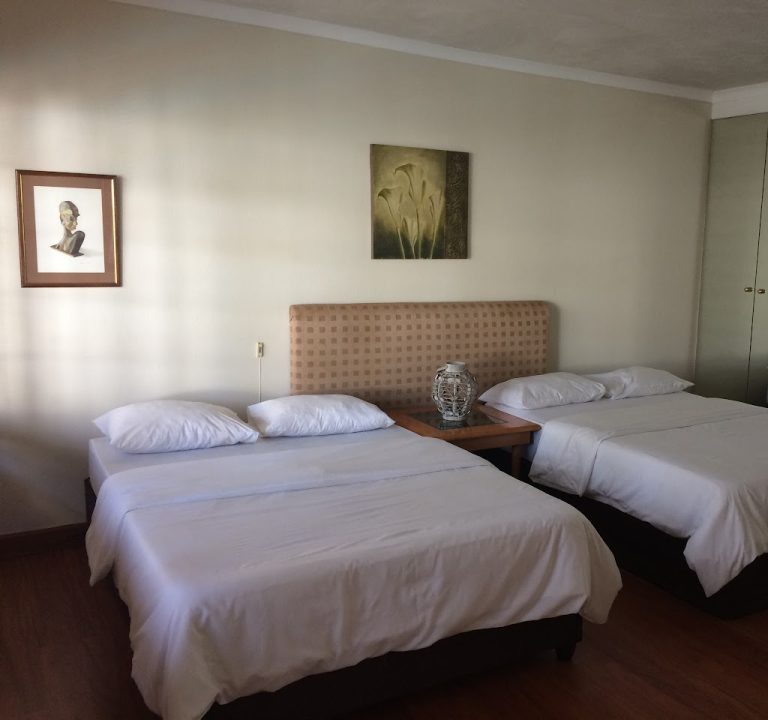
Typical amenities to look for include secure on-site parking or clear guidance on nearby parking, reliable Wi‑Fi, a comfortable bed with good quality linen, daily housekeeping, and options for breakfast or light meals. Many guesthouses and boutique hotels offer personalised service, local recommendations and insight into quieter neighbourhoods as well as popular hotspots. Self-contained rooms or apartment-style layouts can be convenient for longer stays or travelling with family, while on-site dining or a shared kitchen can add flexibility if you prefer to eat in. If you are staying for business, check for work-essential features such as a desk, sufficient lighting, power sockets near the bed or desk, and a quiet workspace.
Transport is an important consideration in Johannesburg. The Gautrain provides fast connections to OR Tambo International Airport and the city’s northern business districts, while Uber and other ride-hailing services remain common choices for short trips around town. For guests staying in central areas, walking access to cafés, markets and nightlife can enhance the experience, though in late evenings many visitors opt for a ride service for safety and convenience. If you are renting a car, ensure the property has secure parking and easy access to major routes. For trips to the more hip or historic neighbourhoods, a car-free plan can still work with a mix of rideshares and guided walks or organised tours.
Best time to visit Johannesburg varies with interests. The city experiences a temperate climate with one of the world’s largest sunlit spells of winter. The shoulder seasons—roughly March to May and August to September—offer pleasant temperatures for outdoor exploring, easier market strolls and comfortable days for museum visits. Summer brings warmer days and occasional thunderstorms, which can be refreshing after a long day of sightseeing, while winter brings clarity and cool evenings that are ideal for dining out. If you plan outdoor activities or visits to nearby parks and wildlife experiences, check local forecasts and consider indoor alternatives in case of rain.
When planning an itinerary, consider a mix of experiences to understand Johannesburg’s layered character. Cultural and historical visits can be balanced with neighbourhood explorations, street markets and creative spaces. For many visitors, the credibility of a district comes from how it blends food, art and conversation. In central and northern districts, you are likely to find modern eateries and stylish urban venues alongside longstanding institutions. In more eclectic pockets, such as certain inner-city or creative quarters, you can encounter galleries, design studios and markets that reflect South Africa’s diverse cultures.
Sample practical tips to maximise your stay:
- Choose accommodation with good security, reliable Wi‑Fi and clear guidance on local transport options.
- Prioritise locations with easy access to attractions you want to see, and consider proximity to a train station or major roads to limit daily travel time.
- Book a property that offers breakfast or kitchen facilities if you value flexibility for busy sightseeing days.
- Assess cancellation policies and guest reviews to gauge consistency in service and cleanliness.
- Pack comfortable walking shoes, a light rain layer for sudden showers, and a secure day bag for markets and museums.
For those seeking a particular base with its own character, there are many guesthouses and hotels that emphasise hospitality, design and a sense of place. One option to explore is Q On First Guesthouse, which presents itself as a thoughtfully curated stay in a central locale. Further information and booking details can be found on the property’s official website at Q On First Guesthouse.
When you plan a Johannesburg visit, allow time for both the city’s classic landmarks and its contemporary spaces. A day could start with breakfast at a stylish café, followed by a morning museum visit, a walk through a market or a street-art precinct, lunch in a buzzy neighbourhood, and a late afternoon stroll along a tree-lined street or a rooftop with city views. Evenings can offer a range of dining experiences from casual eateries to refined restaurants, followed by a neighbourhood walk to appreciate street life and local galleries. With thoughtful planning, your Johannesburg stay can strike a balance between comfort, convenience and cultural discovery.