Johannesburg: Accommodation, Attractions and Practical Tips for Planning a Stay
Johannesburg, often simply called Joburg, blends modern city energy with lush green spaces, inviting guesthouses, and a thriving dining scene. When planning a stay, consider both the ease of getting around and the varied neighbourhoods that shape your experience. The city offers a range of accommodation, from intimate bed and breakfasts to contemporary hotels and stylish guesthouses, each with its own character and convenient access to sights, eateries and transport links.
About accommodation, the most common choices for visitors are central city stays, leafy northern suburbs, and more boutique options in districts with a cultural heartbeat. A well-positioned bed and breakfast or guesthouse near parks, university campuses, or historic streets can provide a comfortable base to explore by day and unwind with a relaxed evening atmosphere. In Johannesburg, some B&Bs are set within residential avenues that feel like a home away from home, offering personalised service, locally sourced breakfasts, and insider tips on neighbourhoods to explore.
What to look for when booking depends on your priorities. If you prefer easy access to sights and nightlife, aim for properties in or near the central business district, the Maboneng Precinct, Braamfontein, or Sandton’s connected hubs. For a quieter escape with greenery, consider areas around parks and garden suburbs in the north. Check for features such as secure on-site parking, reliable Wi-Fi, and a generous breakfast offering, which can be especially convenient for early museum or market visits. Some stays provide guided walks or themed experiences, which can be a welcome addition to your itinerary.
Typical amenities to expect in a well-appointed Johannesburg B&B or guesthouse include en-suite bathrooms, comfortable communal spaces, and a breakfast service that showcases regional flavours. Many properties offer tasteful décor that nods to local art and history, as well as practical touches like lift access, air conditioning, and flexibility with check-in times. Transport arrangements are worth noting: proximity to city bus routes, the Gautrain stations, or conventional taxi and ride-hailing accessibility can dramatically cut travel time between neighbourhoods and attractions.
Getting around the city efficiently is part of the experience. The Gauteng region is well served by an rail-based rapid transit network in addition to road networks. If you plan to visit multiple areas in a day, a central base with easy access to major routes can save time. For evening outings, consider areas with a dense concentration of eateries and entertainment venues, so you can stroll back to your accommodation after dinner instead of relying on long taxi rides.
The best time to visit Johannesburg in terms of weather is generally from late spring to autumn, when daytime temperatures are comfortable and pleasant for outdoor markets and park visits. The city’s climate can be hot in summer and cooler at night, so packing layers is sensible. If your travel window includes public holidays or peak weekends, expect busier streets and more vibrant atmospheres, particularly in popular districts with markets and street food scenes. Booking ahead for weekends in well-regarded B&Bs and boutique stays is wise, especially during school holidays or major events in the city.
When planning your itinerary, mix cultural highlights with nature and culinary experiences. Major museums, historic sites, and neighbourhood markets offer insight into Johannesburg’s layered history and contemporary life. For a balanced day, combine a morning museum visit with a stroll through a park or garden area, followed by lunch in a diverse dining district and an afternoon gallery or design store hop. While exploring, you’ll encounter a broad range of dining options, from casual eateries to more refined restaurants and coffee spots that emphasise local ingredients and flavours. If you enjoy a lively scene, look for precincts known for their vibrant street art, markets and live music, then retire to your accommodation for a restful night.
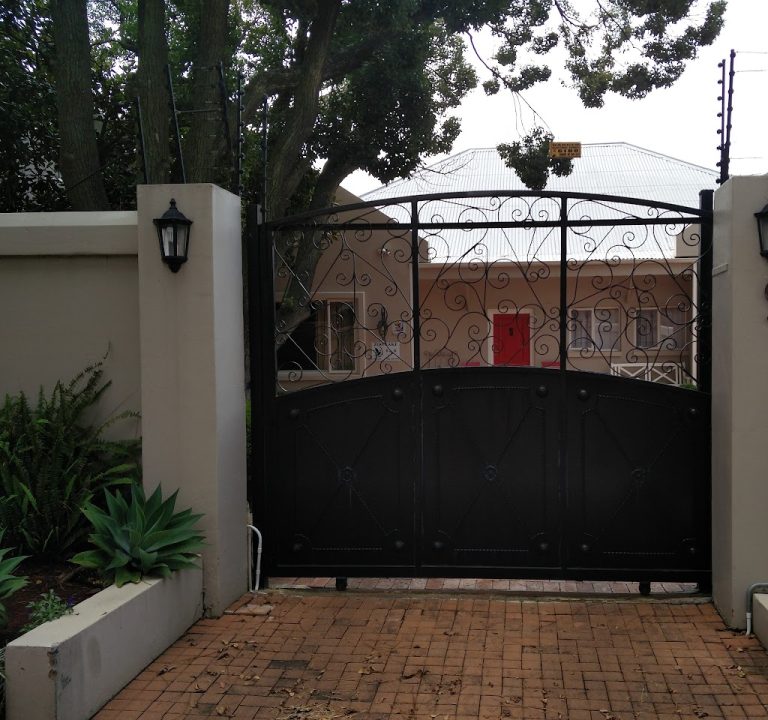
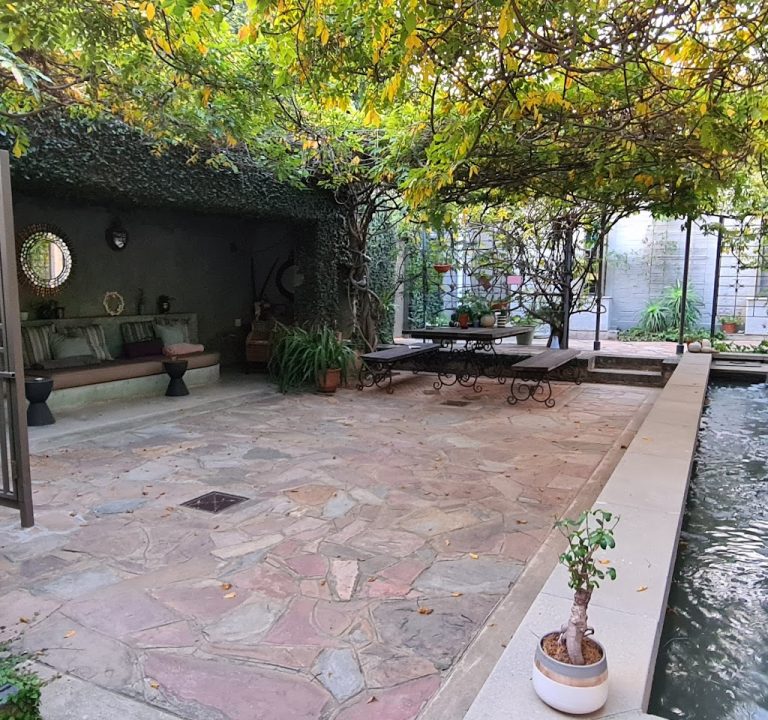
For guests staying at a Bed & Breakfast such as the Zoo Lake area offers a peaceful setting near green spaces and easy access to central Johannesburg. Choosing a property near such parks can enhance mornings with a stroll, a jog, or a slow coffee before venturing out to explore museums, galleries, and local markets. A stay like this can strike a comfortable balance between restful mornings and busy days of discovery.
Practical tips to smooth your journey:
- Plan your base with travel time in mind—Johannesburg is large, and traffic patterns vary by time of day.
- Read guest reviews focusing on cleanliness, breakfast quality, and responsiveness of hosts or staff.
- Ask hosts for tips on safe, well-lit routes for evening strolls and which areas are best for a given activity.
- Check for included transport assistance, such as airport transfers or guidance on local transit passes.
- Pack adaptable clothing to accommodate a range of temperatures and excursions, including outdoor park visits and city walks.
In sum, a well-chosen stay in Johannesburg can be a comfortable launchpad for a dynamic city break. Whether you opt for a charming B&B in a leafy suburb or a thoughtfully designed boutique stay closer to the action, you’ll find warm hospitality, practical access to transport, and a wealth of experiences. Expect a mix of urban culture, outdoor spaces, and a rich culinary landscape that showcases the energy and resilience of this South African metropolis.