Johannesburg: Where to stay, what to look for, and how to make the most of your visit
Johannesburg, Gauteng, is a dynamic hub of culture, history and modern South African life. When planning a stay, consider a mix of neighbourhoods to balance access to sights, dining and nightlife with a comfortable base. Central acccommodation in areas such as Rosebank, Braamfontein or the Maboneng Precinct offers easy access to tours, markets and dining, while Sandton remains ideal for shoppers and business travellers. If you prefer a quieter stay with easy access to nature and museums, contemplate options slightly further afield in neighbourhoods like Melville or Randburg. For a boutique experience, there are stylish city-centre apartments and guesthouses that provide a gateway to both the urban core and the region’s parks and heritage sites.
When selecting a place to stay, think about how you will move around. Johannesburg is well served by the Gautrain, which connects the city centre with Pretoria and the airport, while city buses and rideshare services provide flexible last‑mile options. If you plan to hire a car, look for on-site parking or secure mutual arrangements in the surrounding streets. If you prefer not to drive, aim for a property close to major transit lines or within a short walk of attractions, cafés and markets. Booking a property with good guest reviews about location convenience, signal-free access to transport and reliable housekeeping can help set the tone for a smooth visit.
Typical amenities to look for include reliable Wi‑Fi, air conditioning or good ventilation, a well-equipped kitchenette or kitchen, a dedicated workspace, and clear instructions for self-check-in. Many central Johannesburg properties offer secure access, 24-hour reception or on-site staff, and cleaning services at intervals that suit your plans. If you are visiting during the warmer months, a shaded outdoor area or a pool can be a welcome touch; in cooler seasons, a comfortable living area and good heating are valuable. Consider properties that offer thoughtful extras such as local coffee, curated maps, and recommendations for safe, nearby neighbourhoods to explore after dark.
In addition to the accommodation itself, consider what it means to be well surrounded by in terms of attractions and dining. Within the city you can expect a mix of museums, galleries, markets, and vibrant street life. Open-air markets and design districts can offer a sense of the contemporary Johannesburg, while heritage sites and museums provide context for the city’s complex past and its ongoing evolution. For an evening out, you’ll often find a broad range of restaurants and bars, from modern bistros to traditional eateries that celebrate South African flavours. When planning meals, you don’t necessarily need to book ahead for every meal, but it helps to reserve a table for popular spots, particularly on weekends or during public holidays.
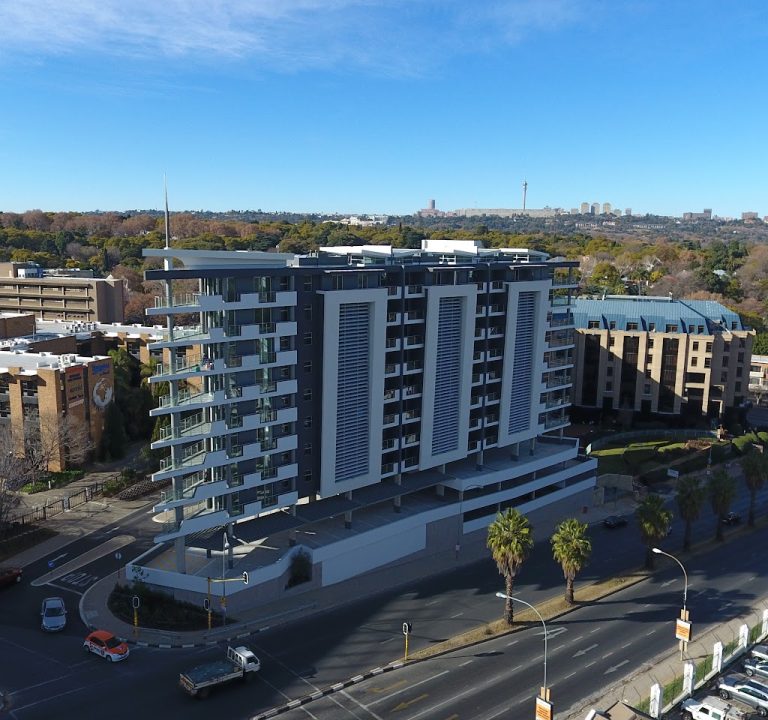
One example of accommodation to consider is KMG Luxury Apartments @ The Apex On Smuts. Set in a central location, these serviced apartments offer home-like comfort with the conveniences of hotel services. Guests typically appreciate the balance of privacy, space and access to on-site or nearby amenities. To explore options and make arrangements, visit the official website at KMG Luxury Apartments @ The Apex On Smuts.
Accommodation styles in Johannesburg range from hotels and boutique guesthouses to self-catering apartments and modern apartment-hotels. If you prefer a social, neighbourhood vibe, look for properties in or near areas such as Maboneng and Braamfontein, where cafés, galleries and markets press the city’s creative pulse. For a more polished, business-friendly base with high-rise views, Sandton and Rosebank offer excellent access to corporate hubs, shopping centres and interconnected transport routes. For a calmer stay with cultural access, consider Melville or Greenside, which offer a more intimate, village-like atmosphere while still being within reach of central sights.
- Best time to visit: Johannesburg’s climate is mild in spring (September–November) and autumn (March–May). Summer can bring afternoon thunderstorms, while winter (June–August) is cool but generally dry.
- Practical tips: pack adaptable layers, stay hydrated on city walking days, and keep valuables secure. Freshly prepared tap water is generally safe to drink in Johannesburg, but if you are uncertain, opt for bottled water from reputable sources.
- Getting around: plan a route to use Gautrain for longer trips, then connect by rideshare or taxi for local hops. When driving, allow extra time during peak traffic hours.
When planning a stay, build a loose itinerary that balances must-see sights with time to wander. The city’s parks and green spaces—such as a well-timed stroll through urban gardens or a morning coffee in a vibrant square—can be as memorable as a formal tour. Museums and galleries provide context for South Africa’s diverse history and contemporary culture, while markets and design districts reveal local craft, fashion and cuisine. Ending the day with a relaxed dinner and a stroll through a well-lit precinct can be a satisfying way to experience Johannesburg’s warmth and energy.
In sum, Johannesburg offers a broad spectrum of accommodation to suit varied styles and budgets, with central locations providing convenience for sightseeing and dining. By selecting a neighbourhood that matches your interests, prioritising reliable transport access and clear check-in arrangements, you can enjoy a comfortable, well-planned stay that makes the most of the city’s dynamic atmosphere.