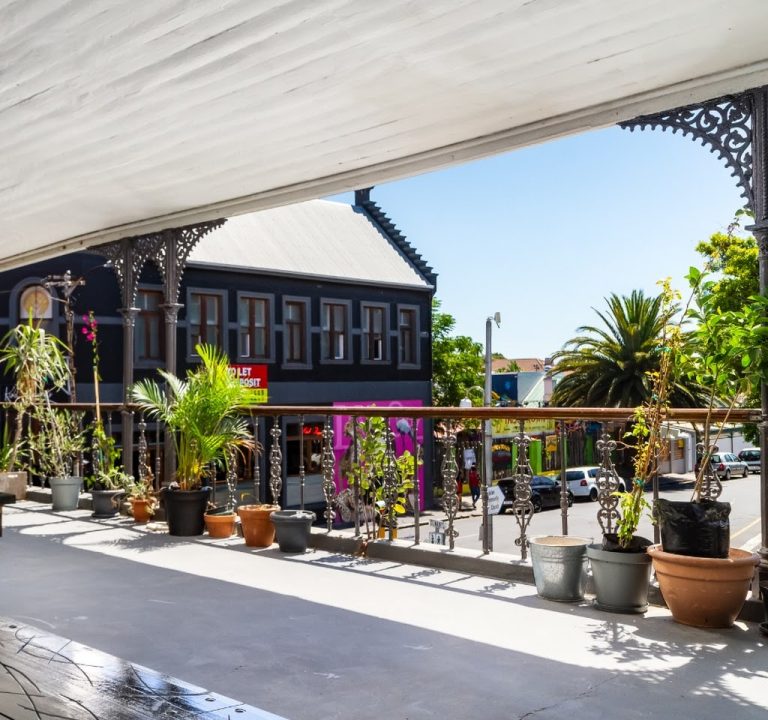
Cape Town: a guide to accommodation, attractions and planning your stay
Choosing where to stay in Cape Town is part of the adventure. The city’s landscape of dramatic mountains, coastline and neighbourhoods makes it possible to tailor a visit around beachside relaxation, cosmopolitan dining or historic culture. Whether you favour a cosy bed-and-breakfast in a leafy suburb, a chic boutique hotel along the Atlantic Seaboard, or a guesthouse tucked into the hills above the city, there are options to suit every tempo and budget.
When planning, think about what you want to get from your stay. If you intend to explore the central sights on foot or by easy public transport, a stay in the City Bowl or nearby Green Point and the V&A Waterfront provides convenience. For a more relaxed, scenic break with good access to wine routes and nature, Constantia or the Atlantic Seaboard suburbs offer quieter ambience with easy drives to beaches and hiking trails. For a taste of local life and creative energy, areas such as Woodstock or Muizenberg present distinct atmospheres and plenty of character.
Typical accommodation options include boutique hotels that combine stylish design with personalised service, guesthouses offering intimate one-to-one hospitality, and B&Bs where a hearty breakfast is part of the welcome. Luxury lodges outside the city centre can provide an immersion in scenery, while self-catering apartments or cottages are a flexible choice for families or longer stays. In all cases, common amenities to look for include reliable Wi‑Fi, secure parking or easy access to transport, en-suite bathrooms, and convenient dining options either on-site or nearby. Some properties also offer recovery-friendly extras such as spa facilities, swimming pools, or privacy-friendly terraces with city or ocean views.
Transport in Cape Town is straightforward but varied. The MyCiTi bus network links many of the major neighbourhoods and attractions, while Uber and other ride-hailing services provide flexible door-to-door travel. If you are exploring the Cape Peninsula or the Winelands, a rental car can be practical, offering independence to visit places on your own timetable. When staying near the V&A Waterfront, many attractions are within easy walking distance, and boat or harbour tours operate from the harbour side. Always check with your host or hotel about parking arrangements, as spaces can be limited in busier districts.
Best time to visit Cape Town depends on what you want from the trip. The city enjoys warm, dry summers from December to February, when beaches are busiest and outdoor activities are in full swing. Autumn (March to May) brings cooler days and fewer crowds, with excellent conditions for hiking and sightseeing. Winter (June to August) is mild and wetter, offering lush landscapes and fewer tourists, while spring (September to November) delivers longer days and blossoming coastal scenery. If you plan to visit the Cape Winelands, consider booking well in advance for peak harvest periods, and expect variable weather in shoulder seasons.
- City Centre / City Bowl: easy access to museums, theatres, and a lively dining scene
- Atlantic Seaboard (Green Point, Sea Point, Bantry Bay): close to beaches and sunset views
- Camps Bay and Clifton: beach-focused, glamorous coastal vibe
- Constantia: valley scenery, wine estates, and leafy residential streets
- Woodstock / Observatory: creative culture, markets and street food
- Muizenberg / Kalk Bay: coastal towns with family-friendly beaches and seafood
When booking, consider the following practical tips. Read the listing carefully for included breakfast, housekeeping frequency, and access policies. Check whether the price covers airport transfers or parking and whether there are any additional charges for resort fees or city taxes. Look for clear photos of the rooms and the surrounding area, and read recent guest reviews to gauge consistency, cleanliness and responsiveness of the host or staff. If you rely on public transport, ask about proximity to bus stops or train stations and potential walk distances to major sights. For travellers with dietary restrictions, confirm breakfast options or kitchen facilities if you plan to self-cater.
Nearby attractions offer a broad sense of Cape Town’s appeal without venturing too far from home base. You might enjoy coastal walks with views of Table Mountain, harbour cruises, and exploring markets that celebrate local crafts and flavours. Restaurant culture is diverse, with many kitchens offering fresh seafood, grilled meats, and modern South African dishes, alongside international fare. Rather than counting every option, plan a few anchors—one excellent restaurant, one day in nature, and one afternoon of cultural discovery—and allow time for spontaneous discoveries along the way.
For more inspiration and practical planning, consider consulting official tourism resources and trusted travel guides. Websites dedicated to Cape Town and the Western Cape provide itineraries, seasonal tips, and area-by-area suggestions that can help refine your stay. A well-planned itinerary balances a few anchors with flexible days to soak up the atmosphere—whether you rise with the sun for a mountain viewpoint, wander through historic streets, or unwind on a golden beach as the daylight fades. With thoughtful choices about where to stay, how to get around, and what experiences to prioritise, a visit to Cape Town can be a richly rewarding blend of scenery, culture and hospitality.