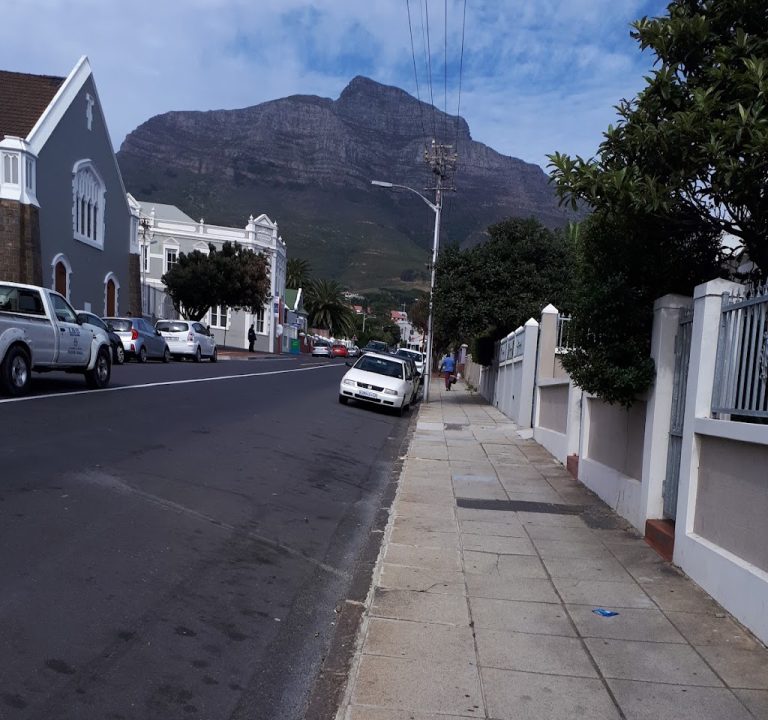
Happy Home – Woodstock is a Self-catering accommodation establishment in Cape Town, Western Cape, South Africa
Happy Home – Woodstock, Cape Town: A Warm, City-Centric Welcome
Happy Home Woodstock presents a relaxed guesthouse experience in the heart of urban Cape Town, offering guests a choice between individual rooms and a private ground floor apartment. The property is part of a small collection described as Happy Home’s Woodstock offering, where guests can enjoy a homely atmosphere with easy access to the city’s vibrant neighbourhoods. The presence of an in-house hostess helps to create a welcoming, hands-on stay, while limited safe parking adds a practical touch for travellers exploring the Mother City by car.
Within Woodstock, the guesthouse style emphasises a low-key, easy-going ethos. The ground floor apartment provides a touch more privacy for travellers who favour a self-contained option, while standard rooms maintain a social, communal feel typical of a guesthouse. The setting blends a sense of neighbourhood life with convenient proximity to central Cape Town, making it suitable for visitors who want to be close to the city’s menus, music venues, and cultural highlights without sacrificing comfort and personal care.
Accommodation at Happy Home Woodstock is described through its flexible booking options. Individual rooms are available for guests who seek a simple, affordable base from which to explore Cape Town, whereas the ground floor apartment offers a privacy-forward choice for couples, families, or travelling companions who prefer a dedicated living space. The in-house hostess is highlighted as part of the guest experience, suggesting attentive service and a responsive approach to guest needs during the stay.
The Woodstock area is noted for its distinctive atmosphere, with a strong Victorian architectural influence visible in the surrounding streetscape. This historic backdrop provides an appealing contrast to the modern buzz of nearby eateries, bars, and shops. While specific local attractions are not itemised on the property page, the listing suggests a neighbourhood rich in culinary and social options, making it easy for visitors to step out for meals, drinks, and casual strolls through a city-centre area that remains approachable and welcoming to travellers from all over the world.
From a practical travel perspective, the property’s emphasis on a friendly host presence and a safe parking option implies a comfortable stay for guests who prioritise convenience and security. The combination of “home away from home” accommodation with a central setting supports a balanced itinerary, allowing day trips or evenings out without lengthy commutes. The property’s own content positions Woodstock as a “New South African phenomena,” hinting at the energetic, evolving neighbourhood that blends historical character with contemporary life.
Happy Home Woodstock is part of a small portfolio that includes multiple properties, offering variety across the greater Cape Town area. For travellers planning a broader stay, the brand’s footprint—along with notable guest satisfaction—as reflected in guest testimonials, provides a reassuring sense of consistency in service and care. The experience is described as safe, clean, and friendly, with guests highlighting the pleasant neighbourhood, the convenience of nearby dining options, and the attentiveness of staff and hosts.
- Flexible accommodation options: rooms or a private ground floor apartment on the Woodstock property
- In-house hostess providing attentive, personalised service
- Limited safe parking for guests
- Historical neighbourhood with Victorian influences and easy access to central Cape Town
- Nearby dining, bars, and local amenities within walking distance
Who is Happy Home Woodstock best suited for? It suits travellers who value a personable, neighbourhood-centred stay within easy reach of central Cape Town’s attractions. It is appropriate for couples, lone travellers, or small groups seeking a homely base with room to unwind, while remaining connected to city life. The ground floor apartment option also appeals to guests who desire more privacy or a self-contained space during their trip.
Nearby highlights and experiences can be sampled through the surrounding Woodstock and greater Cape Town area, where a mix of eateries, cultural venues, and scenic walks can be enjoyed. While precise attractions are not itemised on the page, the property’s central location invites exploration of the neighbourhood’s character, as well as quick access to major city sights, natural coastal panoramas, and the broader Western Cape region.
Booking and travel tips: for those considering a stay at Happy Home Woodstock, it’s worth noting the self-contained apartment option as a potential choice for travellers seeking privacy. The in-house hostess can be a valuable resource for local tips and assistance during the stay. Prospective guests can explore the property’s official site for the most current availability and rates, and may wish to browse the broader Happy Home portfolio for complementary stays in nearby areas. Website: Happy Home.
From the perspective of guest satisfaction, testimonials reflect a positive pattern of guests appreciating the location, cleanliness, and the personal touch of service in Woodstock. The combination of a friendly welcome, secure surroundings, and proximity to dining and entertainment options contributes to a well-rounded city break in one of Cape Town’s most dynamic districts. For travellers seeking a relaxed yet practical base in the Western Cape, Happy Home Woodstock offers a balanced, approachable option that aligns with the needs and rhythms of urban exploration.
Cape Town
Western Cape
7915
South Africa


Staying in Cape Town: Where to book, what to expect, and how to make the most of your visit
Cape Town offers a diverse mix of accommodation, from self-catering hides in leafy suburbs to stylish guesthouses with ocean views. When planning a stay, it helps to think about what you want to get from your trip: a relaxed base with easy access to beaches, historic neighbourhoods with character, or a convenient hub close to the city’s main sights. The following guidance highlights practical considerations, typical amenities, and a few ideas for how to balance a stay with Cape Town’s many attractions and dining options.
One option to consider is self-catering accommodation, which can provide a comfortable home-from-home feel, privacy, and better control over meals. For example, a property marketed as a Woodstock-based self-catering option may offer options such as private rooms or a ground-floor apartment with separate entry, allowing guests to come and go with a touch more independence. Places like these often include essential kitchen facilities, a living space, and parking, making them convenient for travellers who want to tailor their schedule while exploring the city.
Key areas to consider when choosing where to stay include:
- City Centre and the historical core for easy access to museums, theatres, and galleries.
- Woodstock and the Southern Suburbs for a mix of refurbished Victorian architecture, local eateries, and a laid-back neighbourhood vibe.
- Sea-facing neighbourhoods such as Green Point, the V&A Waterfront vicinity, and Camps Bay for coastline views and quick access to beaches.
- Constantia and the surrounding valley for wine estates, scenic drives, and a more tranquil escape from city bustle.
- Llandudno and Noordhoek for quieter beaches and a slower pace, away from the busiest city areas.
When booking, look for these common amenities and features that tend to improve your stay in Cape Town:
- Reliable, well-equipped kitchens or kitchenettes for self-catering flexibility.
- Private or dedicated parking or easy access to safe parking facilities.
- Wi‑Fi that supports work or streaming if needed, plus spacious living areas for downtime after long days of sightseeing.
- Security measures appropriate to the area, such as secure entry, well-lit surroundings, and responsive on-site staff or hosts.
- Proximity to public transport options, including MyCiTi bus routes and railway access, to reduce reliance on car travel in busy areas.
Transport in Cape Town is practical but requires some planning. The city has a reliable bus network in certain areas, and rideshare services offer a convenient alternative for trips to the V&A Waterfront, Table Mountain, and the Cape Town Stadium precinct. If you are based in outlying suburbs, a car can be very handy for exploring the Cape Peninsula, Constantia wine routes, and the beaches outside the city bowl. When selecting accommodation, consider how easy it is to reach your planned starting points for day trips and whether the property offers easy access to main roads, as traffic patterns can vary by time of day.
Best time to visit Cape Town depends on what you want from your trip. The summer months (roughly November to March) are popular for beach days and outdoor activities, with long daylight hours and mild to warm weather. Winter (June to August) brings cooler temperatures and the possibility of rain, which can be ideal for exploring museums, markets, and the city’s culinary scene in a different light. Shoulder seasons can offer quieter streets and more comfortable temperatures for hiking up Table Mountain or exploring Cape Point. Always check local forecasts and plan ahead for table-level changes, particularly along the coast where wind and sea conditions may vary.
What to do and where to eat in general terms during a stay:
- Take in iconic viewpoints and coastal landscapes, such as the Atlantic seaboard and the mountain backdrops that characterise the city’s skyline.
- Explore neighbourhoods with a sense of history and culture, from markets and art spaces to small galleries and cafe-and-restaurant clusters.
- Experience a range of dining options—from casual eateries to refined restaurants—emphasising fresh seafood, bomas of local produce, and global influences that reflect Cape Town’s diverse community.
- Consider day trips to the Cape Peninsula, Constantia valley, or nearby nature reserves to enjoy hiking, wildlife, and scenic drives.
Practical tips for a smoother stay include packing for changeable weather, especially if you plan outdoor activities on the mountains or along the coast. Reserve accommodation with clear information about safety, accessibility, and the type of kitchen or dining facilities provided. If booking a property such as a Woodstock self-catering option, verify what is included in the space, whether there is a host on-site to assist, and what parking arrangements exist. After booking, map out a rough itinerary balancing morning sightseeing with relaxed afternoons—perhaps pairing a Table Mountain ascent with a late lunch in a nearby district, followed by sunset views over the harbour.
For a concrete example of a self-catering option in Cape Town, you can explore Happy Home Woodstock. The property group describes a mix of rooms and a ground-floor apartment, with references to on-site hosting and available parking. To learn more about specific spaces, features, and booking details, visit the official website at Happy Home Woodstock. Use this as a starting point to compare location, layout, and access to the city’s highlights as you plan your stay.
Sorry, no records were found. Please adjust your search criteria and try again.
Sorry, unable to load the Maps API.
Why Claim Your Listing?
Claiming your listing on the B&B Finder directory website is a valuable opportunity for business owners. Here are five reasons why you should consider claiming your listings:
Control Over Business Information: By claiming their listing, business owners can ensure that all the information presented is accurate and up-to-date. This includes details such as contact information, address, pricing, and available services or amenities. Accurate information helps prevent customer confusion and improves overall satisfaction.
Enhance the Listing: Once a listing is claimed, owners can enhance it by adding more comprehensive information and rich media, like high-quality photos and videos. These additions can make the listing more attractive and engaging to potential customers, thereby increasing the likelihood of bookings.
Marketing Opportunities: Claiming a listing can also open up additional marketing opportunities. Owners may be able to participate in promotional campaigns, special offers, and other marketing activities organized by the directory. This can increase visibility and attract more customers to the business.



