Accommodation and Activity Guide for Cape Town, Western Cape
Cape Town is a city of vibrant contrasts, where sea and mountains meet cultural flavours and coastal comforts. When planning a stay, consider the neighbourhoods that best suit your interests, budget and pace. From historic long streets and harbour-side charms to modern boutiques and hillside retreats, the city offers a range of stays that can feel like a home base for exploring the surrounding region.
Due to Cape Town’s geography, your choice of area can shape your experience. The Atlantic Seaboard (Camps Bay, Sea Point, Clifton) provides dramatic ocean views, easy beach access and a lively dining scene, while the central areas (the City Bowl, De Waterkant, and Gardens) place you within walking reach of markets, museums and nightlife. Constantia offers leafy tranquillity and wine estates, while Woodstock and neighbouring precincts are known for creative vibes, stylish guesthouses and easy access to the wider city centre. For a more relaxed pace with proximity to nature, the southern suburbs and the Cape Peninsula route offer scenic drives and sheltered residential charm.
When you book, look for a few dependable amenities that help keep your stay comfortable. Adequate air conditioning or heating, reliable Wi‑Fi, secure parking or easy access to public transport, and clear access to fresh water are essential. If you’re travelling as a couple or a family, note whether the property provides family-friendly layouts, self-catering facilities or breakfast options. For business travellers or longer stays, a workspace corner, laundry facilities and flexible check-in can make all the difference. Where possible, read recent guest reviews to gauge consistency, cleanliness, and the responsiveness of hosts or management teams.
Typical accommodation styles in Cape Town range from intimate BnBs and boutique guesthouses to modern city hotels and stylish self‑catering apartments. Some properties offer curated experiences, such as guided local tours, sunset safaris, or on-site eateries with a focus on seasonal ingredients. If you come across a property marketed as a “boutique hotel” or “luxury guesthouse,” expect a personalised touch, a smaller scale operation, and thoughtful design that emphasises location and ambience. A known but often overlooked factor is proximity to quality transport links—whether a short ride to the Table Mountain Cableway, easy access to MyCiTi buses, or convenient routes to the harbour and ferry terminals.
Best time to visit Cape Town hinges on what you want from your stay. The summer months (roughly November to February) bring longer days, warmer seas and a bustle of outdoor activity, but peak season can be busier and more expensive. Spring (September to November) and autumn (March to May) offer pleasant weather, calmer crowds, and great conditions for hiking Table Mountain or exploring nearby wine routes. Winter (June to August) can be cooler and wetter, yet it brings green landscapes, good-value accommodation, and indoor cultural experiences. If wildflowers or whale watching appeal, plan with seasonal calendars in mind and be ready for potential quick weather shifts.
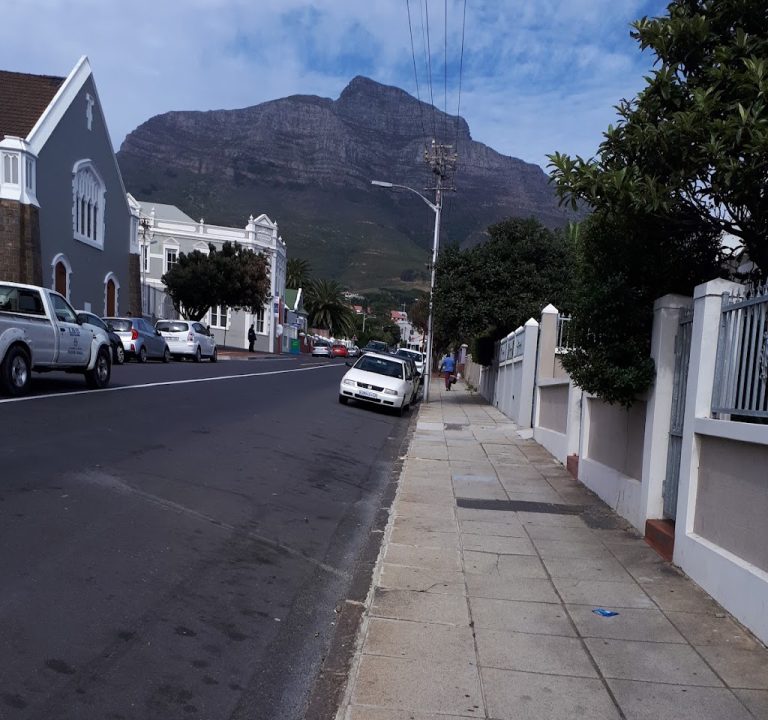
Nearby attractions and experiences are the heart of a Cape Town visit. Iconic viewpoints and natural attractions include the flat-topped Table Mountain, the choppy Atlantic coastline, and scenic coastal drives. In the city, museums, markets, and galleries provide cultural context, while the Cape Peninsula offers sweeping coastal routes, penguin colonies, and sheltered coves. For a more relaxed day, explore harbour-side promenades, craft markets, and waterfront dining options that characterise the city’s maritime heritage. Visitors are advised to allocate time for a guided excursion to Robben Island or a scenic winelands day trip to Constantia or Stellenbosch, subject to seasonal availability and operator schedules.
Dining in Cape Town ranges from rustic bistros to stylish eateries with sea or mountain views. Expect menus that celebrate local produce—seafood, braai favourites, seasonal vegetables, and vibrant South African flavours—paired with South Africa’s renowned wines. While exact names and prices vary, you will discover a spectrum of options to suit casual lunches, sunset dinners, or specialised tasting experiences. In addition to restaurants, many accommodation properties run on-site cafés or offer curated breakfast spreads, which can be a convenient and social way to start the day before heading out to explore.
Transport around Cape Town is straightforward but best planned in advance. Public transport options include metro buses and the harbour ferry to nearby sights, with ride-hailing services and private transfers widely available. If you plan to explore beyond the city centre, renting a car is convenient for flexibility, especially if you intend to visit winelands or rugged coastal drives. Many hotels and guesthouses offer organised tours or can recommend trusted tour operators for full-day or half-day itineraries. For those staying in busy neighbourhoods, walking and cycling can be both practical and enjoyable, especially in pedestrian-friendly parts of the city bowl and along the Atlantic Seaboard promenade.
Practical tips to help you plan your stay:
- Book with a clear cancellation policy and check what is included in your rate (breakfast, housekeeping, parking, and access to facilities).
- Ask about local recommendations for safe, convenient transport options and dining reservations.
- Pack layers for changeable weather and sun protection for outdoor days, even in cooler months.
- Identify a few anchor days—one for the mountains, one for the coast, and one for cultural experiences—to balance your itinerary.
As a considered option for those seeking a refined stay with easy access to a mix of city life and natural beauty, properties such as Woodstock Luxury Home can exemplify the boutique approach—combining stylish interiors with a strong sense of place. When selecting a place to reside, aim for a balance between comfort, location, and the kind of experiences you want to savour in Cape Town. With thoughtful planning, your Cape Town visit can be as energising or as relaxed as you choose, ensuring you return with lasting memories of both the scenery and the hospitality you encountered.